

Looking for properties to invest in Southeast Asia? This in-depth guide explores the best cities, property types, legal tips, and investment strategies across Thailand, Vietnam, Indonesia, and more. Discover where to find high-yield condos, affordable leasehold villas, and off-plan investments with real potential. Whether you're a first-time buyer or building a global portfolio, this is your starting point for smart property investment in Southeast Asia.
Table of Contents
Thinking about properties to invest in Southeast Asia, but feeling overwhelmed by all the choices? I get it—investing overseas sounds complicated at first. But with Southeast Asia’s booming real estate market, now could be a golden time to jump in.
Maybe you’re wondering:
- Is Southeast Asia actually a good investment?
- Which countries offer the best ROI?
- Leasehold vs freehold: What’s better?
- Can I even own property there legally?
Grab your coffee and let’s unpack this—like two friends talking investments at your favourite café.
Why Invest in Properties in Southeast Asia?
Let’s start with why Southeast Asia has investors buzzing.
1.1 Economic Growth and Affordability
Southeast Asia’s economies are growing fast, with countries like Vietnam, Indonesia, and the Philippines posting impressive GDP numbers. This growth is fueling a rising middle class and increasing urbanization. In addition to economic expansion, strong job growth and steady job growth in these cities are attracting new residents, which in turn supports housing demand and creates more opportunities for property investors.
1.2 Affordable Entry Points
Compared to Western markets, property prices in Southeast Asia are still relatively low. This means you can enter the market with less capital, and there’s plenty of room for appreciation as the region develops.
1.3 High Rental Yields
Rental yields in Southeast Asia can be very attractive, especially in cities with a large expat population or a booming tourism sector. Investors can often achieve higher returns compared to more mature markets.
1.4 Booming Tourism
Tourism is a major driver in the region, with millions of visitors flocking to hotspots like Bali, Phuket, and Bangkok every year. This boosts short-term rental opportunities and supports the local economy. There is also steady demand for rental properties due to ongoing housing demand from both tourists and new residents, ensuring high occupancy rates and stable rental income for investors.
Rapid Economic Growth
Countries like Vietnam, Thailand, and Indonesia have consistently shown impressive economic growth. More growth means higher property appreciation and strong rental markets.
Affordable Prices & High Returns
Compared to Europe or North America, Southeast Asian property prices are still affordable. You’re not just buying a property—you’re getting more for your money.
Friendly Foreign Ownership Laws
Most Southeast Asian countries offer clear guidelines for foreign investors, especially in markets like Thailand and Malaysia. So, owning a dream condo by the beach isn’t impossible after all.
Tourism Boost & Rental Opportunities
Popular tourist hotspots like Bali, Phuket, and Cebu attract millions each year. Investors can capitalise on short-term rentals or Airbnb opportunities, leading to excellent rental yields.

Best Cities for Properties to Invest in Southeast Asia
Choosing the right city can make or break your investment. Let’s get practical.
Bali, Indonesia – The Island of Villas
Bali isn’t just a paradise—it’s also a top investment destination. Leasehold villas in places like Canggu and Seminyak promise impressive rental returns. With reliable property management services widely available, managing remotely is easy.
Phuket, Thailand – Beach Condos & More
Phuket’s popularity never fades, keeping rental occupancy rates high. Areas like Rawai and Kata offer excellent affordable condos and luxury villas. Thailand’s clear leasehold property laws also simplify the buying process.
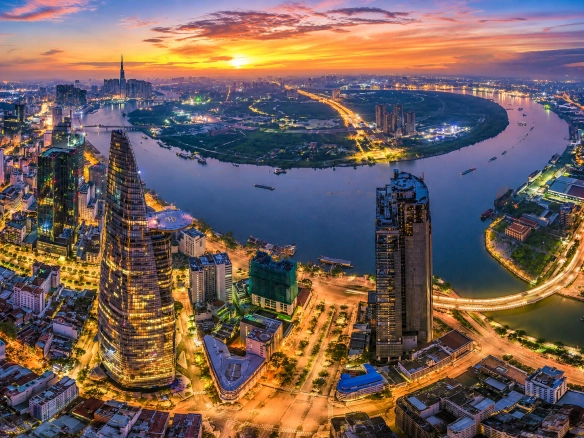
Da Nang & Ho Chi Minh City, Vietnam – Emerging Condo Markets
Vietnam’s rising economy has made cities like Da Nang and Ho Chi Minh City investment hotspots. Affordable apartments attract expats, digital nomads, and tourists, offering solid rental yields and appreciation.
Phnom Penh, Cambodia – Affordable Urban Investments
Still underrated, Phnom Penh’s property market offers lower entry points. New condos provide reliable rental income from growing expat communities. It’s an emerging market with room to grow.
Cebu & Manila, Philippines – Condo Boom
The Philippines has one of the fastest-growing economies in the region. Manila’s upscale condos and Cebu’s beachfront properties offer consistent yields. Great infrastructure and English-speaking locals make it investor-friendly.
Kuala Lumpur & Penang, Malaysia – Reliable Returns
Malaysia provides straightforward foreign ownership laws and property stability. KL offers high rental yields, while Penang’s heritage charm attracts tourists and retirees alike.
Best Types of Properties to Invest in Southeast Asia
Not all properties are equal. Here’s what you need to know.
Condominiums vs Villas
Condos and villas are popular choices for expats and investors in Southeast Asia. Condos offer amenities and security, while villas provide privacy and space. Rental property investment in Southeast Asia can generate income and provide passive income for investors, making these property types attractive for building wealth.
Multi-family homes, such as duplexes or apartment buildings, are also available in some markets. These properties appeal to long term tenants and long term renters, which helps ensure steady monthly cash flow for landlords.
- Condos:
- Easier maintenance & property management
- Generally cheaper upfront
- Popular for rental income
- Villas:
- Higher upfront investment
- Excellent Airbnb potential
- Offers more privacy and luxury appeal
- Multi-family homes:
- Allow investors to earn income from several tenants while managing only one location
Leasehold vs Freehold Properties
Ownership structures vary. Leasehold means you own the property for a set period, while freehold means you own it outright. Different property types can be used as income property or rental property, depending on your investment goals and desired level of involvement.
This confuses new investors, but here’s the deal:
- Leasehold: You own the property for a set time (usually 30+ years).
- Lower initial cost, great rental returns.
- Freehold: Permanent ownership, but pricier and sometimes legally trickier for foreigners.
Off-plan Properties
Buying off-plan (before completion) offers:
- Lower initial investment
- Potentially huge capital appreciation
- Developer guarantees (like rental guarantees or buyback schemes)
- House hacking opportunities: Buy a multi-unit property, live in one unit, and rent out the others to offset costs
House hacking—living in one unit and renting out others—can offset your mortgage and reduce living costs. By collecting rent from multiple units, you can generate income and improve your cash flow, making this a practical strategy for new investors.
Condotel Investments
Condotels and serviced apartments combine hotel-like amenities with private ownership. These rental properties can attract long term tenants or short-term guests, offering flexibility for rental property investment and maximizing occupancy rates.
Condotels combine condos and hotel services.
- Investors benefit from guaranteed rental returns.
- Property management is included.
- Flexibility of Airbnb rentals allows owners to adjust pricing based on local demand, optimizing revenue.
Legal & Financial Considerations
Southeast Asia is investor-friendly but navigating legalities matters.
- REITs offer a hands-off real estate investment opportunity without the need to own physical properties.
Foreign Ownership Regulations
- Thailand and Malaysia offer straightforward condo ownership rules.
- Bali favours leasehold arrangements.
- Vietnam allows foreigners to buy condos with certain restrictions.
Property Taxes & Fees
Factor these into your budget:
- Transfer fees & stamp duties
- Annual property taxes (usually minimal)
- Maintenance fees (CAM fees)
When investing in Southeast Asian real estate, you must account for property taxes and fees. In addition to these, closing costs and other expenses such as maintenance, insurance, and management fees should be included in your budget to ensure the investment remains financially viable. Rental property owners can benefit from various tax benefits, including deductions for mortgage interest, depreciation, and certain operating expenses, all of which can significantly reduce your taxable income. It’s important to understand local tax rules, as these regulations directly impact your investment’s taxable income and your overall returns. Consulting a tax advisor can help you navigate these obligations and maximize available tax breaks.
Financing Your Property Investment
Financing can be challenging but doable:
- Foreign banks with branches locally (e.g., HSBC, Citibank)
- Property developers offering flexible payment terms
- Home equity loans from your home country
Securing financing is a key step in property investment. Your mortgage payment and overall housing costs will directly affect your cash flow, so it’s essential to assess how much capital you need to cover the down payment, closing costs, reserves, and ongoing expenses. Building equity through regular mortgage payments not only increases your ownership stake in the property but also contributes to your net worth over time, making real estate a valuable component of personal wealth.

Property Management & Services in Southeast Asia
Finding reliable local partners is key. Many investors use these platforms and services to start investing in Southeast Asia’s property market, taking advantage of accessible entry points and expert support.
Property Management Companies
Local property management firms handle everything—from tenant sourcing to maintenance—making your investment passive.
Legal Consultants & Escrow Services
Avoid scams by using reputable legal consultants and escrow services. It’s worth the extra upfront cost for peace of mind.
Diversification and Portfolio Management
Diversification is a cornerstone of smart real estate investing, especially in a dynamic region like Southeast Asia. By spreading your investments across different countries, property types, and markets, you can minimize risk and set yourself up for more consistent returns—no matter how the local real estate market shifts.
Why Diversify in Southeast Asia?
Southeast Asia is a patchwork of fast-growing economies, each with its own unique opportunities and challenges. Countries like Singapore, Malaysia, and Thailand are all experiencing robust economic growth, but they also face different political climates, currency risks, and regulatory changes. By diversifying your real estate investments across several countries, you can cushion your portfolio against unexpected events in any one market and tap into the region’s overall growth potential.
Balancing Risk Across Markets and Property Types
A well-balanced real estate portfolio isn’t just about location—it’s also about mixing property types and risk levels. For example, investing in single family rentals in a stable city like Singapore can provide reliable rental income, while taking a position in office buildings or new developments in Vietnam might offer higher appreciation potential. By combining residential, commercial, and even industrial properties, you can create multiple income streams and avoid over-reliance on any single property or sector.
Building a Resilient Property Portfolio
Building a resilient property portfolio starts with knowing your financial goals and risk tolerance. Are you looking for steady cash flow, long-term appreciation, or a mix of both? Once you’ve set your objectives, consider working with a trusted property manager or investment advisor who understands the local market. Do your homework—research different markets, analyze rental demand, and always perform thorough due diligence before making a move. With a disciplined approach to real estate investing and a focus on diversification, you’ll be better equipped to weather market ups and downs and achieve your long-term financial goals.
Real Estate Investment Trusts (REITs) in Southeast Asia
If you want to invest in real estate but don’t want the hassle of managing physical properties, Real Estate Investment Trusts (REITs) offer a flexible, cost-effective alternative. REITs are becoming increasingly popular in Southeast Asia, giving investors a way to access the region’s booming real estate market with just a few clicks.
What Are REITs?
REITs are companies that own and operate income-generating properties—think office buildings, shopping centers, and apartment buildings. When you invest in a REIT, you’re essentially buying shares in a portfolio of properties, and you earn a portion of the rental income generated by these assets. REITs are traded on stock exchanges, so you can buy and sell your investment easily, just like a mutual fund or stock.
One of the biggest advantages of REITs is diversification. Instead of putting all your capital into a single property, you gain exposure to a wide range of properties across different sectors and locations. Plus, REITs are managed by professionals who handle everything from property management to tenant selection, so you can enjoy the benefits of real estate investment without the day-to-day responsibilities.
In Southeast Asia, REITs are regulated to ensure transparency and financial stability, making them an attractive option for both new and experienced investors. Whether you’re interested in the steady rental income from office buildings or the growth potential of shopping centers and apartment buildings, REITs let you invest in real estate and participate in the region’s economic growth—without ever having to collect rent or deal with maintenance issues.
Expert Tips from Renowned Investors
People like Robert Kiyosaki and Grant Cardone regularly highlight Southeast Asia’s growth potential. Successful real estate investors use these strategies to maximize returns and build wealth in dynamic property markets.
But remember these golden rules:
- Always do due diligence: Every real estate investor should visit properties, meet developers, and verify all details.
- Diversify locations and types: Don’t put everything in one basket.
- Understand exit strategies: How easily can you sell or cash out?
Table of Comparison: Top Southeast Asian Investment Cities
| City | Property Type | Foreign Ownership | Affordability | ROI Potential |
| Bali | Villas | Leasehold | Medium | High |
| Phuket | Condos | Leasehold | Medium-High | High |
| Da Nang | Condos | Leasehold | Medium | High |
| Phnom Penh | Condos | Leasehold/Freehold | Low | Medium-High |
| Cebu | Condos | Freehold | Medium | Medium-High |
| Kuala Lumpur | Condos/Villas | Freehold | Medium-High | High |
Common Pitfalls When Looking for Properties to Invest in Southeast Asia
Investing abroad always comes with its challenges. Knowing these upfront will save you headaches down the line.
1. Misunderstanding Leasehold vs Freehold
This trips up many new investors.
Leasehold properties (common in Bali and Phuket) usually give you around 30 years of ownership with extensions possible.
Freehold ownership is permanent, but often restricted for foreigners.
Tip:
- Double-check the property tenure and legal documents carefully before committing.
Every country has its own set of property laws and tax regulations. These can be complex and sometimes confusing for foreign investors. It’s crucial to research and understand these rules before making a purchase. Property tax rates and regulations can vary widely between countries, which can significantly impact your investment returns and ongoing costs.
2. Overestimating Rental Yields
Websites and agents might promise sky-high rental returns. While places like Bali, Phuket, or Da Nang genuinely offer attractive yields, always factor in:
- Occupancy fluctuations
- Maintenance & property management costs
- Local competition (Airbnb saturation in tourist hotspots)
Some markets promise high returns, but these are not always guaranteed. Economic downturns, currency fluctuations, and local market changes can all affect your profits. To reduce risk, it’s important to consider affordable housing options, as these tend to have consistent demand and can provide more stable returns even during market fluctuations.
3. Ignoring Local Property Laws & Taxes
Every Southeast Asian country has its own rules:
- Thailand has specific condo ownership laws.
- Indonesia has strict land-use restrictions.
- Vietnam has caps on foreign condo ownership.
Tip:
- Always seek independent legal advice before buying.
4. Falling for “Guaranteed Returns” without Research
Some developers promise guaranteed rental returns. These can be amazing—but they can also be inflated or unsustainable long-term.
Tip:
- Check developer track records.
- Verify management companies handling the rental guarantees.

Insider Tips for Picking the Right Properties to Invest in Southeast Asia
Choosing smartly now will reward you later. Let’s simplify your investment decisions.
By applying these insider tips, you can more easily identify the best real estate investments in Southeast Asia that match your goals, resources, and preferred level of involvement.
Follow Infrastructure Developments
New roads, airports, and shopping malls often predict property appreciation. For instance, infrastructure projects in cities like Phnom Penh or Cebu often drive property values higher.
Check the Local Rental Market
Look for:
- Occupancy rates (high occupancy = better yields)
- Popular property types (condos vs villas)
- Airbnbs vs long-term rentals
For instance, Bali has thriving short-term rentals, while Kuala Lumpur is stronger for long-term leases.
Buy in Proven Tourist Hotspots
Consistent tourism means regular rental income. Examples of reliable hotspots:
- Bali (Canggu, Seminyak)
- Phuket (Rawai, Kata)
- Da Nang (My Khe Beach)
What Nobody Tells You about Southeast Asian Property Investment
Let’s talk openly about stuff that’s rarely discussed.
Additionally, keep in mind that changes in regulations or market conditions could significantly impact property investment in the near future.
Currency Risks & Exchange Rates
Foreign currency fluctuations can impact your returns. Think long-term and explore options to minimise currency risks, like having multi-currency bank accounts.
Hidden Ownership Restrictions
Thailand famously allows foreigners to own condos easily, but there’s a catch: only 49% of a condo building can be foreign-owned. Always clarify such fine-print details early.
Cultural Miscommunications
Southeast Asia is friendly—but misunderstandings can happen. Clear communication and trustworthy local partners are essential.
How to Quickly Assess if a Southeast Asian Property is Worth Investing In
Here’s your cheat-sheet checklist:
- ✅ Location: Near beaches, tourist hubs, or key business districts?
- ✅ Infrastructure: Upcoming airports, roads, or shopping malls?
- ✅ Rental potential: High occupancy rates and strong tourist/expat appeal?
- ✅ Developer credibility: Solid track record and transparent contracts?
- ✅ Legal clarity: Clear ownership rights and manageable foreigner laws?
- ✅ Currency & finance: Clear financing and minimal currency risk?
Real-life Chat: An Example of a Smart Southeast Asia Investment Decision
Imagine you’re eyeing a condo in Phuket:
- Located near popular Kata Beach.
- Developer offers 7% guaranteed return for three years.
- Transparent leasehold agreement and foreigner-friendly setup.
- Clear property management in place.
This ticks most boxes on the checklist above. It feels smart, right? This is exactly how you quickly filter out the gems from the duds.
FAQs – Properties to Invest in Southeast Asia
Is buying property in Southeast Asia safe for foreigners?
- Yes, but due diligence and legal advice are essential.
Can foreigners legally own property outright?
- It depends on the country; generally, leasehold or condo ownership is most common.
What type of property has the highest ROI in Southeast Asia?
- Typically, condos and leasehold villas in tourist hotspots offer the highest rental yields.
How do I finance a Southeast Asian property as a foreigner?
- Usually via foreign banks, home equity loans, or developer financing.
Should I choose leasehold or freehold?
- Leasehold is popular due to affordability and strong rental returns, while freehold offers permanent ownership.
Which country in Southeast Asia has the easiest property laws for foreigners?
- Malaysia and Thailand have straightforward condo ownership rules.
- Bali (Indonesia) is more leasehold-focused but straightforward with good legal guidance.
Is Southeast Asia a stable property market?
- Mostly yes, especially in major tourist spots like Phuket, Bali, Kuala Lumpur, and Ho Chi Minh City.
- Always check economic stability and tourism growth trends for reassurance.
Can I get a mortgage for Southeast Asian properties as a foreigner?
- It’s tricky but possible.
- Try international banks like HSBC, or explore developer finance plans.
What’s the minimum budget to invest in properties in Southeast Asia?
- Affordable entry points are around $50,000–$100,000 in places like Phnom Penh, Da Nang, and parts of Malaysia.
What’s better—buying condos or villas in Southeast Asia?
- Condos usually offer lower entry prices, easier management, and good rental yields.
- Villas are pricier but offer higher rental income potential, especially via short-term platforms like Airbnb.
Final Thoughts – Is Southeast Asia Right for Your Portfolio?
Investing in Southeast Asia’s property market offers tremendous potential. From Bali villas to Phuket condos, there’s something for every type of investor. Do your homework, choose the right local partners, and keep your eyes on the long-term benefits.
If you’re ready to diversify and tap into one of the world’s most exciting property markets, there’s no better time to explore properties to invest in Southeast Asia.
Want to spot the best investment opportunities in Thailand’s property market before anyone else?
Subscribe to Property Watchlist: Thailand and get exclusive insights, new listings, and honest, practical advice delivered directly to your inbox. No hype, no overwhelm—just actionable intel on leasehold laws, developer offers, and high-yield condos perfect for savvy foreign investors.
Or reach out directly for personalised support: curated leasehold properties, introductions to trusted developers, or legal contacts who know exactly how to guide you.
Invest smarter. Subscribe now.




Join The Discussion