
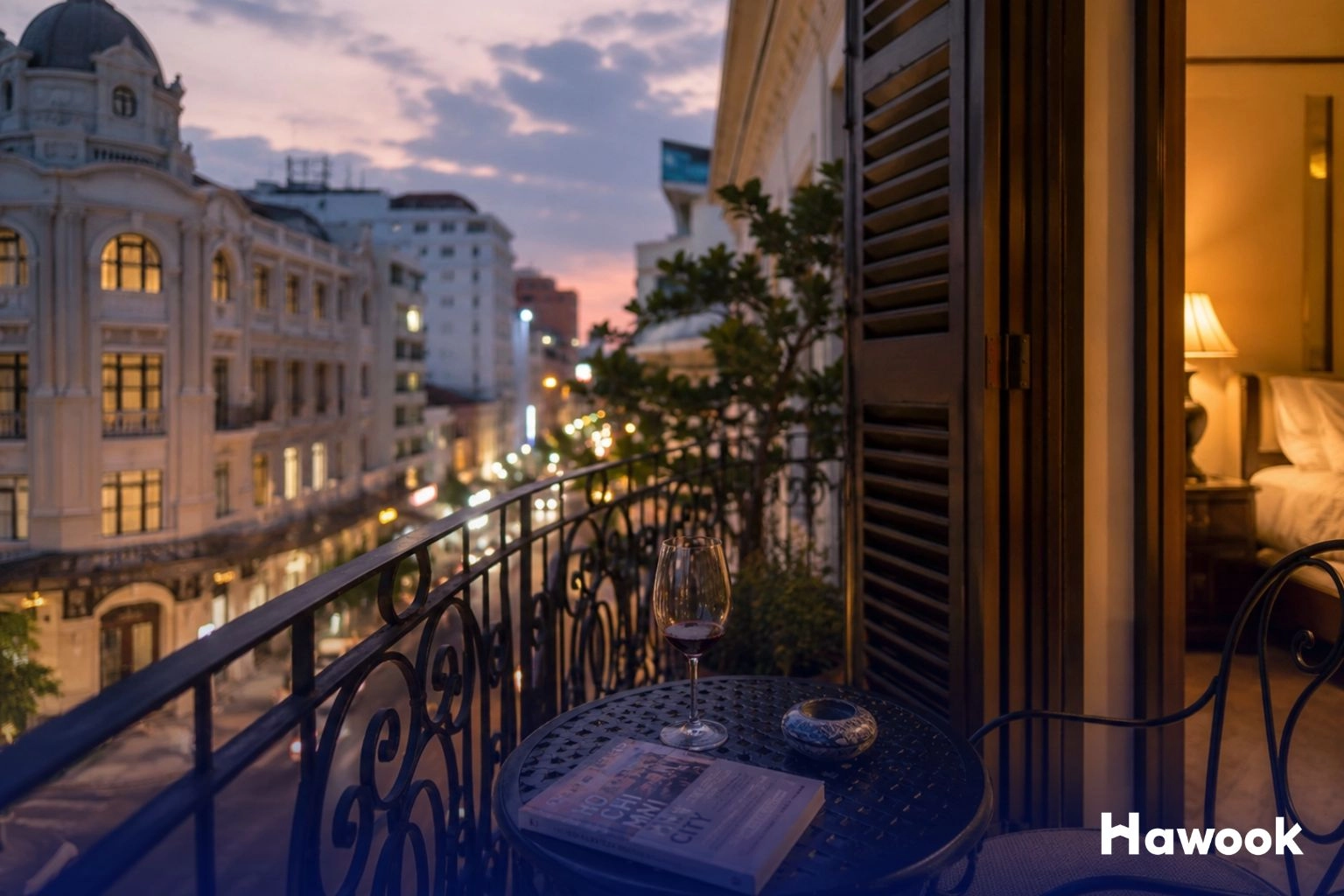
Southeast Asia real estate is entering a new phase. Across Vietnam, Thailand, and Malaysia, luxury hotels, destination retail projects, major infrastructure investments, and rising tourism demand are reshaping how value is created. This article explores the key trends driving the region's commercial property markets in 2026, and why investors should pay attention to the growing connection between hospitality, retail, transport, and long-term economic growth.
Table of Contents
A few years ago, most conversations about Southeast Asia real estate sounded pretty similar.
People were asking when tourists would come back. Hotel owners were focused on occupancy. Developers were pushing timelines back. Investors were sitting on the sidelines waiting for more certainty.
Today, the conversation feels different.
Not dramatically different. Not in a way that grabs headlines every day. But if you’ve spent enough time around property markets, you start noticing the small signals before they become obvious ones.
One thing I’ve noticed over the past year is how often new projects keep showing up in places that already have plenty of supply.
A new luxury hotel in Hanoi.
A billion-dollar mixed-use district in Bangkok.
Another major retail development in Kuala Lumpur.
At first glance, it seems counterintuitive. If the goal was simply to recover from the pandemic, you’d expect developers to be cautious. Instead, many are expanding.
That’s why 2025 felt like a turning point.
The story stopped being about recovery and started becoming a story about confidence.
Tourism recovery in Southeast Asia played a huge role in getting us here, of course. Visitor numbers climbed, flight connectivity improved, and hotel performance strengthened across many markets. But what matters now is what happened next.
Developers began making long-term bets again.
When companies commit hundreds of millions of dollars to a luxury hotel, a retail precinct, or a mixed-use development, they’re not thinking about next quarter. They’re thinking about where demand might be five or ten years from now.
That’s what makes the Southeast Asia Property Market 2026 so interesting.
Beneath the surface, there’s a growing belief that the region has entered a new phase of growth.
Not every project will succeed. Not every market will move at the same pace. Property rarely works that neatly.
But when you see international hotel brands expanding aggressively, developers building destination retail instead of traditional malls, and governments accelerating infrastructure projects at the same time, it’s usually worth paying attention.
I was having coffee recently with a friend who manages hospitality assets across several ASEAN markets. He said something that stuck with me.
“The question isn’t whether tourists are coming back anymore. The question is what they’re looking for when they arrive.”
That simple shift explains a lot.
It explains why developers are restoring heritage buildings instead of demolishing them.
Why hotels are competing on experiences rather than room counts.
Why new retail projects are dedicating more space to food, entertainment, and events than traditional shopping.
The commercial real estate Southeast Asia story isn’t just about buildings anymore. It’s increasingly about creating places people actually want to spend time in.
And that’s where things start getting interesting.
Because some of the clearest signs of this shift are showing up in the hospitality sector, where luxury hotels are evolving into destinations in their own right.
Luxury Hotels Are Becoming Destination Assets
There was a time when luxury hotels competed on fairly predictable things.
Bigger rooms.
More marble.
A nicer lobby.
A longer list of amenities that most guests would never use.
That playbook still exists, but it’s no longer enough.
Across the latest wave of luxury hotel developments Southeast Asia is seeing, the most successful projects aren’t selling accommodation first. They’re selling experiences, stories, and a sense of place.
That’s a subtle difference, but it’s changing how hotels are designed, marketed, and positioned.
Take Fairmont Hanoi.
On paper, it’s a luxury hotel with over 240 rooms, high-end restaurants, event facilities, and a major wellness offering. But what stands out isn’t the room count. It’s how deeply the property is tied to Hanoi itself. The design draws on Vietnamese heritage, the dining concepts lean into local culture, and the entire project feels built around the city rather than dropped into it.
The same pattern appears in Ho Chi Minh City with Rêve Ho Chi Minh City.
With just 52 rooms, it’s tiny compared to many luxury competitors. Yet that’s part of the appeal. Located on the city’s historic Antique Street, it offers a more intimate experience that feels difficult to replicate. Guests aren’t choosing it because it has the biggest swimming pool in Vietnam. They’re choosing it because it feels different.
That’s becoming a recurring theme across the luxury hospitality pipeline.
Developers are discovering that travelers often remember experiences more than square footage.
A few years ago, I met a frequent traveler who could barely remember the room he stayed in during a business trip to Singapore. What he did remember was a rooftop dinner overlooking the city skyline and a local guide who showed him hidden food stalls the next morning.
The room cost a few hundred dollars.
The memories were what stayed with him.
That shift in behavior is influencing hospitality investment Asia wide.
Hotels increasingly function as destinations in their own right.
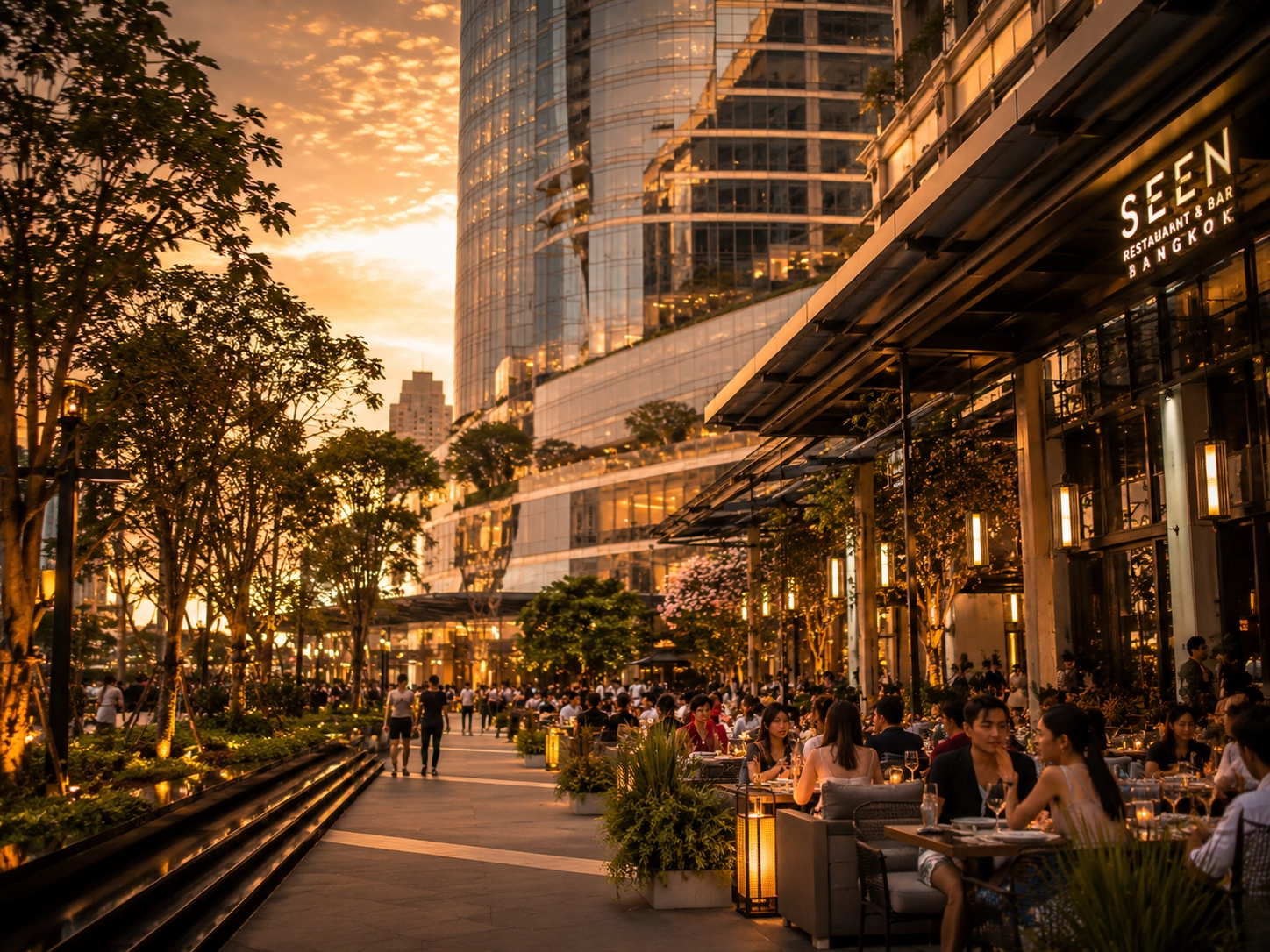
In Bangkok, Andaz One Bangkok sits inside one of the largest mixed-use developments in Thailand. Guests aren’t simply booking a room. They’re stepping into an entire ecosystem of offices, retail, restaurants, public spaces, and entertainment.
The same logic applies to Park Hyatt Kuala Lumpur.
Located within Merdeka 118, the world’s second-tallest building, the hotel benefits from being part of something much larger than itself. The tower, the surrounding retail, the public spaces, and the city’s transport connections all contribute to the guest experience.
Then there’s the upcoming Waldorf Astoria Kuala Lumpur, which is expected to target travelers looking for a highly curated luxury stay in the heart of the city. Again, the focus isn’t simply on providing a place to sleep. It’s about creating an environment people actively choose to spend time in.
What Today’s Luxury Traveler Wants
✓ Authentic local experiences
✓ Strong design and architecture
✓ Wellness and lifestyle amenities
✓ Memorable food and beverage concepts
✓ Walkable locations
✓ Personalized service
✓ Unique stories worth sharing
What’s interesting is that luxury travelers haven’t necessarily become less interested in premium brands.
They’ve simply become harder to impress.
A recognizable logo might help someone make a booking. But it’s rarely the reason they tell their friends about the trip afterward.
That’s why local culture has become such a valuable asset.
It’s difficult to copy.
Anyone can import Italian marble. It’s much harder to create a hotel that genuinely feels connected to Hanoi, Bangkok, or Kuala Lumpur.
For developers, that’s creating a new set of priorities.
Good design matters because people notice it.
Local culture matters because people remember it.
Experiences matter because people share them.
And for investors watching hospitality investment Asia trends, that’s an important signal.
The hotels attracting attention today are often the ones that feel less like hotels and more like destinations people would visit even if they weren’t staying overnight.
The Rise of Boutique Luxury
Boutique luxury hotels are having a moment, and honestly, it makes sense.
Not every traveler wants a giant lobby, three elevator banks, and a breakfast buffet where it takes ten minutes just to find the eggs.
Some people want something quieter.
Something more personal.
Something that feels like it belongs to the city rather than sitting above it in a glass box.
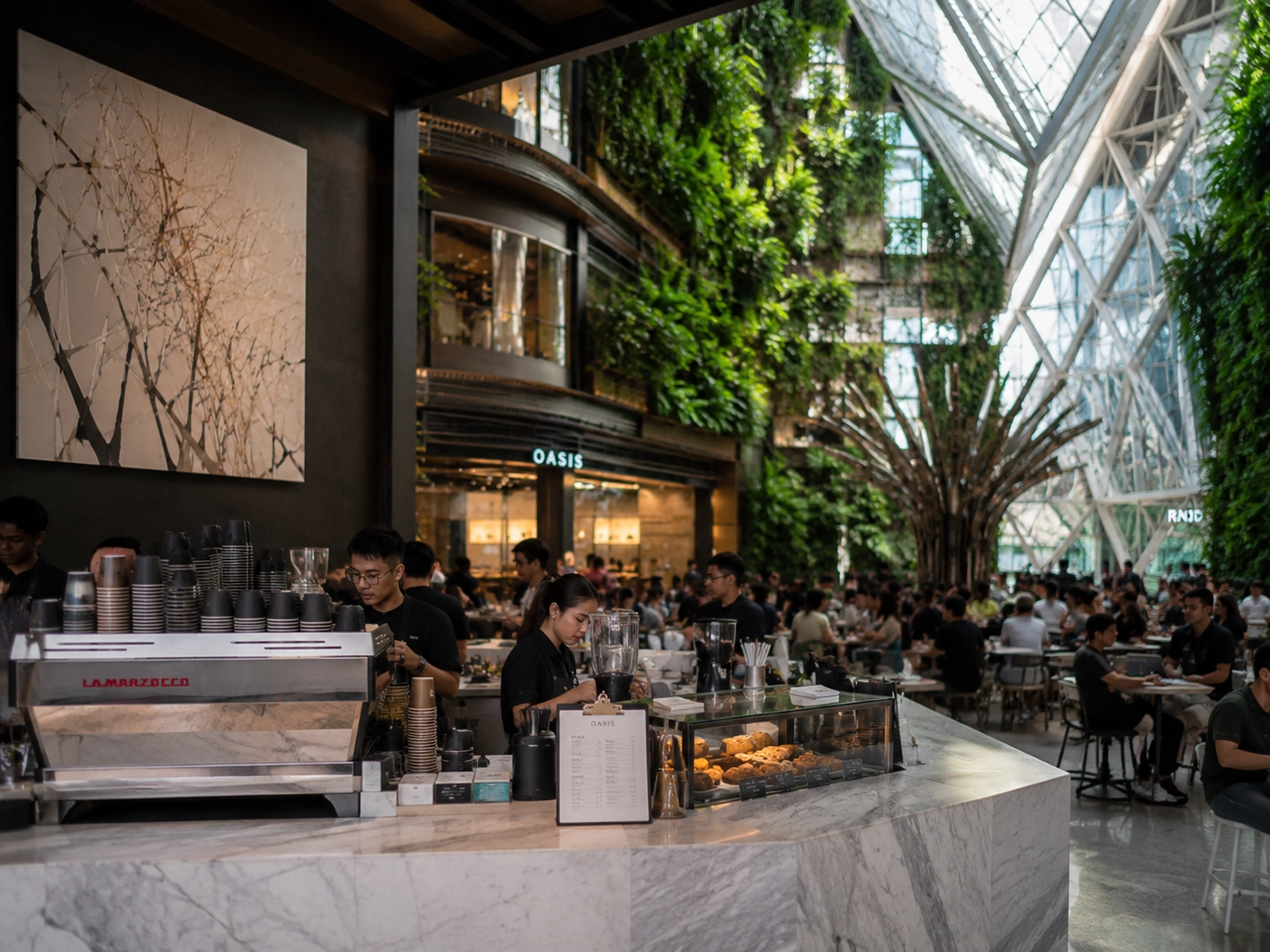
Rêve Ho Chi Minh City is a good example. With only 52 rooms, it is not trying to win on size. It is trying to win on intimacy, location, and atmosphere.
That matters.
A traveler landing in Ho Chi Minh City for a long weekend might not want the biggest hotel in District 1. They might want a balcony overlooking an old street, a concierge who actually remembers what they asked for yesterday, and a bar downstairs that feels more like a local discovery than a hotel amenity.
That is where smaller luxury hotels can compete.
They do not need to offer everything.
They need to offer something specific.
This is one of the more interesting luxury hospitality trends across the region. The definition of luxury is becoming less about how much a hotel can provide and more about how carefully it is put together.
A large branded hotel can feel impressive.
A well-run boutique hotel can feel personal.
That difference matters more than people think, especially in cities where travelers are looking for texture, not just comfort.
Experiential travel has made guests more selective. They still want good beds, smooth service, and nice bathrooms, obviously. Nobody is pretending charm can fix bad plumbing.
But once the basics are handled, the decision often comes down to mood.
Does the place feel memorable?
Does it give them a story?
Does it make the trip feel more connected to the city?
That is why boutique luxury hotels are becoming increasingly attractive to both travelers and developers. They can turn a small footprint into a strong identity.
And in a market where everyone is trying to stand out, identity is no small thing.
Kuala Lumpur’s Retail Boom Is Telling a Bigger Story
Every few years, somebody declares that malls are dead.
Then somehow another billion-dollar retail project gets approved.
The reality is a bit more complicated.
Traditional retail has certainly changed. Consumers buy more online than they did a decade ago. Most of us have probably purchased something at midnight from our phones while lying in bed and wondering whether we really needed it.
But if physical retail was truly dying, developers wouldn’t still be investing heavily in some of the largest projects in Southeast Asia.
That’s exactly what’s happening in the Kuala Lumpur retail market.
Over the next couple of years, the city will welcome major developments including 118 Mall, Ombak KLCC, and the recently opened Sunway Square Mall. These aren’t small neighbourhood shopping centres. They’re large-scale investments backed by some of Malaysia’s most established developers.
The obvious question is why.
Why commit hundreds of millions of dollars to physical retail when consumers can buy almost anything online?
The answer is that people no longer visit malls purely to shop.
They visit to eat.
To meet friends.
To attend events.
To work remotely for a few hours.
To escape the heat.
To spend an entire afternoon without actually buying very much.
In other words, retail has become something bigger than retail.
That’s one reason luxury retail developments Malaysia continues to see are increasingly designed around experiences rather than transactions.
Before diving deeper, here’s a quick look at some of the major projects shaping the next chapter of Kuala Lumpur’s retail landscape.
| Project | Size | Status | Key Differentiator |
| 118 Mall | 1 million sq ft | Opening 2026 | Artisan district, immersive event spaces, cultural programming |
| Ombak KLCC | 420,000 sq ft | Opening 2026 | Gallery-focused retail, rooftop gardens, lifestyle experiences |
| Sunway Square Mall | 300,000 sq ft | Opened 2025 | Entertainment-led tenant mix and strong F&B focus |
Looking at these projects, a clear pattern emerges.
Developers aren’t building more of the same.
118 Mall, located at the base of Merdeka 118, is expected to feature artisan spaces, large event areas, immersive digital experiences, and extensive dining concepts. The goal isn’t simply to attract shoppers. It’s to create a destination people actively want to visit.
Ombak KLCC follows a similar strategy.
Rather than competing directly with established malls on retail volume, it leans heavily into culture, public spaces, architecture, and experiences. Its integration with galleries and green spaces says a lot about where retail is heading.
Sunway Square Mall perhaps illustrates the shift most clearly.
Its tenant mix prioritizes entertainment, food, leisure, and lifestyle brands. That’s a very different formula from the malls many of us grew up with.
If you visited a mall twenty years ago, you probably remember department stores as the main attraction.
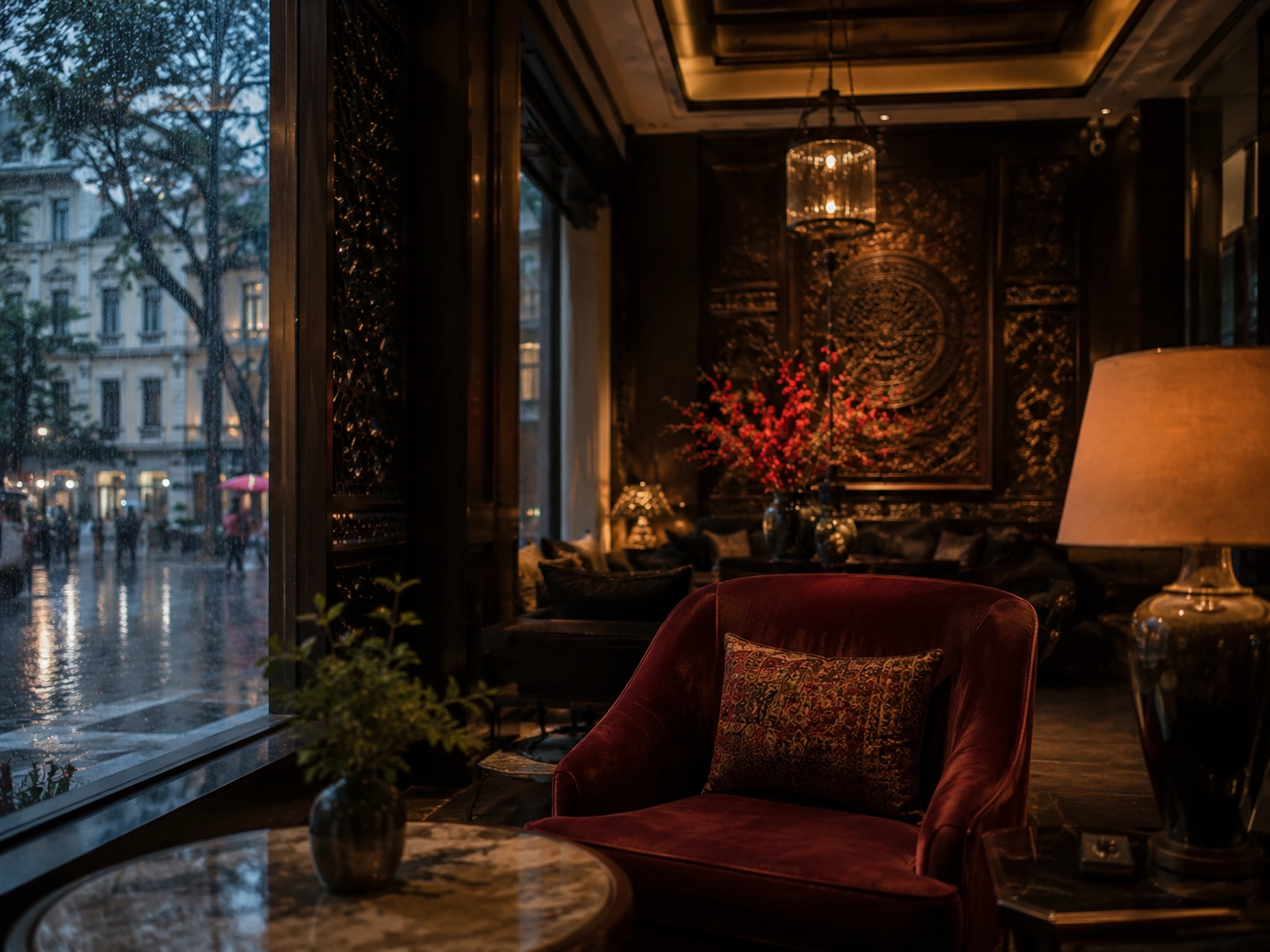
Today, the biggest queue might be outside a specialty coffee shop, a climbing gym, a cinema, or a food hall serving twenty different cuisines.
That’s not a coincidence.
Modern consumers increasingly value experiences they can’t download.
This is one of the defining themes across experiential retail Asia.
People still shop, of course. But shopping often becomes the side activity rather than the main reason for the visit.
A good modern mall functions almost like an urban living room.
People gather there.
Work there.
Eat there.
Meet friends there.
Sometimes they even buy something.
For investors, that’s an important distinction.
The strongest retail assets are no longer competing against e-commerce. They’re offering something e-commerce can’t provide in the first place.
And when done well, those experiences create foot traffic, tenant demand, and long-term relevance that traditional retail alone struggles to deliver.
The New Mall Formula
If you want to understand where retail is heading, stop looking at the stores and start looking at what people are actually doing.
A few weeks ago, I walked through a busy shopping centre and noticed something funny.
The coffee shops were packed.
The restaurants had waiting lists.
The cinema was busy.
People were taking photos of art installations.
Kids were running around a public event space.
Meanwhile, plenty of retail stores were relatively quiet.
Nobody seemed concerned.
That’s because modern malls are no longer designed around shopping alone.
They’re designed around time.
The goal is simple: give people enough reasons to stay for three hours instead of thirty minutes.
That’s the foundation of experiential retail.
Developers have realized that people can buy almost anything online. What they can’t download is a good afternoon with friends, a live event, a great meal, or a memorable experience.
That’s why projects like 118 Mall are dedicating significant space to things that have little to do with traditional retail. Its artisan district, event venues, immersive digital experiences, and food concepts are all designed to create reasons for repeat visits.
Ombak KLCC is taking a similar approach.
Rather than filling every square metre with retail units, the development incorporates cultural spaces, galleries, public gathering areas, and rooftop green spaces. The idea is that people come for the experience first and spend money naturally while they’re there.
Sunway Square Mall follows the same playbook.
Its tenant mix leans heavily toward entertainment, leisure, fitness, dining, and lifestyle experiences. That’s a deliberate shift away from the old retail model.
Twenty years ago, malls often felt like giant warehouses filled with stores.
Today’s destination retail projects feel more like miniature urban districts.
Food sits at the centre of this transformation.
Not long ago, food courts were often hidden away in a corner. Today, many malls treat dining as a major attraction. Some visitors arrive with no shopping plans whatsoever. They’re there for brunch, coffee, dinner, or simply to try a new restaurant.
Entertainment has become equally important.
Cinemas, climbing gyms, gaming zones, family attractions, and live performances all help extend visitor dwell time. The longer people stay, the more valuable the asset becomes.
Events also play a growing role.
A weekend market, live concert, cultural festival, or product launch can bring thousands of people into a space that might otherwise have remained quiet.
Art is becoming part of the formula too.
Developers increasingly use installations, exhibitions, and cultural programming to create environments that feel distinctive rather than generic.
Then there are community spaces.
This might be the biggest change of all.
Modern malls increasingly function as public gathering places. People meet there, work there, relax there, and spend time there without necessarily opening their wallets every five minutes.
Picture a family arriving at a mall on a Saturday afternoon.
The parents grab coffee.
One child heads to a climbing gym.
Another wants to watch a movie.
Dinner happens downstairs.
An art exhibition catches their attention on the way out.
Four hours disappear without anyone thinking about shopping.
That’s retail-tainment in action.
And that’s why developers continue investing in large physical retail projects despite the rise of e-commerce.
The strongest malls today aren’t competing with online stores.
They’re competing for people’s free time.
And the projects that win that battle are increasingly becoming destinations in their own right.
Tourism Recovery Is Fueling Real Estate Demand
Tourism sounds like a travel story.
In Southeast Asia, it is also a real estate story.
When international arrivals rise, the impact does not stop at airport immigration counters. It moves through hotels, restaurants, malls, transport links, entertainment venues, serviced apartments, and mixed-use developments.
That is why tourism recovery Southeast Asia is such an important piece of the property puzzle.
By 2025, global tourist arrivals had climbed strongly again. Asia-Pacific was still catching up to its full pre-pandemic rhythm, but the direction was clear. ASEAN tourism growth also showed that the region was no longer just waiting for visitors to return.
They were already back in large numbers.
And once travelers return, property demand starts showing up in very practical ways.
Hotels see higher occupancy.
Retail malls get more foot traffic.
Restaurants extend waiting lists.
Mixed-use projects become more attractive because they can capture spending across multiple parts of a visitor’s day.
This is where tourism-driven property markets become interesting.
A tourist arriving in Kuala Lumpur might book a hotel for three nights. That supports hotel revenue first.
Then they grab coffee downstairs.
Take a ride to a mall.
Eat lunch in a food hall.
Buy something from a local brand.
Visit a gallery or rooftop bar.
Meet friends for dinner.
Maybe attend a conference the next morning.
One traveler, several spending points, multiple property assets touched along the way.
That is the economic multiplier effect, without the textbook headache.
Money enters through one trip, then spreads across different businesses and real estate types. A hotel benefits directly, but so does the restaurant leasing space inside the mall. So does the retail landlord. So does the transport network. So does the mixed-use district designed to keep people moving, eating, browsing, and staying longer.
This is why visitor numbers matter.
They are not just vanity stats for tourism boards.
They help explain why developers are still building hotels, malls, lifestyle precincts, and entertainment-led projects across the region.
A full hotel lobby tells one story.
A busy mall connected to that hotel tells a bigger one.
A district where guests can sleep, shop, eat, meet, and attend events without crossing half the city tells the clearest story of all.
That is the direction many Southeast Asian markets are moving toward.
The strongest projects are not trying to capture just one transaction. They are trying to capture an entire visit.
For investors, this matters because tourism demand can support more than room rates. It can support retail rents, food and beverage sales, event spaces, branded residences, serviced apartments, and the value of well-located commercial real estate.
Of course, tourism is never perfectly smooth.
Airline capacity changes. Currencies move. Travelers become more price-sensitive. Markets can get crowded quickly when everyone smells opportunity at the same time.
But the broader point remains.
When tourism recovers at scale, real estate follows the money trail.
And in Southeast Asia, that trail increasingly runs through hotels, malls, transport hubs, and mixed-use destinations built to keep visitors spending longer.
Infrastructure Is Still the Real Game-Changer
Property investors love talking about prices.
Developers love talking about new launches.
The media loves talking about record-breaking projects.
But if you spend enough time around real estate, you eventually learn that some of the biggest value drivers are often the least exciting.
Infrastructure is a good example.
A new train line rarely generates the same buzz as a luxury condominium or a five-star hotel opening. Yet infrastructure and real estate have always been closely linked.
The simplest way to think about it is this:
Property follows people.
And people follow convenience.
Imagine two identical retail districts.
One is connected to multiple train stations, major roads, and an international airport.
The other requires three transfers, forty minutes in traffic, and a bit of luck.
Which one do you think attracts more visitors, businesses, and investment?
That’s why connectivity matters.
It’s not glamorous, but it changes how people move through a city. And when movement becomes easier, property values often follow.
A good real-world analogy is broadband internet.
Most people don’t get excited when new fibre optic cables are installed beneath their street. But everyone notices when the connection suddenly becomes faster.
Infrastructure works in much the same way.
The investment often happens quietly in the background. The impact shows up years later.
You can see this dynamic playing out across Malaysia today.
The upcoming MRT Circle Line is expected to strengthen links between major commercial districts, including Bukit Bintang and KLCC. For retailers, office tenants, hotel operators, and property owners, better MRT connectivity means larger catchment areas and easier access to customers.
The KLIA expansion tells a similar story.
At first glance, airport expansion sounds like an aviation project.
In reality, it is also a tourism and real estate project.
More airport capacity means more international arrivals. More arrivals mean greater demand for hotels, retail, entertainment, restaurants, and mixed-use developments designed to capture visitor spending.
The East Coast Rail Link, or ECRL, is another example.
The project is often discussed in terms of transport and logistics, but its effects stretch much further. Improved connectivity can unlock new investment corridors, shorten travel times, and create opportunities in locations that previously sat outside the mainstream investment map.
History offers plenty of examples.
Look at almost any district that experienced a major transport upgrade.
Areas once considered peripheral often become more desirable once accessibility improves. Businesses move in. New developments appear. Consumer traffic increases. Property values gradually adjust to the new reality.
The sequence is surprisingly consistent.
Infrastructure first.
Demand later.
For investors, that creates an important lesson.
The best opportunities don’t always appear where the headlines are loudest. Sometimes they emerge where connectivity is quietly improving.
Infrastructure Checklist
Before evaluating a market, ask:
✓ Is public transport expanding?
✓ Is airport capacity increasing?
✓ Are major rail projects under construction?
✓ Is travel becoming easier for residents and visitors?
✓ Are commercial districts becoming better connected?
✓ Is government infrastructure spending accelerating?
✓ Are private developers building around these transport links?
None of these factors guarantee investment success.
But together, they help explain why some markets continue attracting capital while others struggle to maintain momentum.
That’s why many experienced investors spend as much time studying transport maps as they do property brochures.
One often tells you where a market is today.
The other can offer clues about where it’s heading next.
The Capital Flow Story Most Investors Miss
When most people look at a new luxury hotel opening, they see a building.
Investors should see a vote of confidence.
That’s because global hotel brands rarely expand based on what happened last year. They’re making decisions based on what they believe will happen over the next decade.
This is where many discussions about Southeast Asia investment opportunities become a little too focused on property prices and not focused enough on capital flows.
The bigger question is often: where is institutional money going?
And right now, a lot of it continues to flow toward Southeast Asia.
Look at the major hospitality groups expanding across the region.
Accor is strengthening its presence in Vietnam through projects like Fairmont Hanoi.
Hyatt continues to push premium brands into key gateway cities such as Bangkok and Kuala Lumpur.
Hilton is expanding its luxury footprint with upcoming Conrad and Waldorf Astoria properties.
IHG is actively rolling out brands ranging from boutique concepts to large-scale urban hotels.
None of these companies are making random bets.
They spend enormous amounts of time studying travel patterns, airline capacity, demographic trends, infrastructure projects, and tourism demand before committing to new markets.
One of the reasons they’re able to expand so aggressively is the rise of asset-light expansion models.
Unlike traditional hotel ownership, many global operators no longer need to own the buildings themselves.
Instead, local developers finance and build the asset while the hotel brand manages operations under a long-term agreement.
This allows companies like Accor, Hyatt, Hilton, and IHG to scale much faster across multiple markets.
For developers, the arrangement provides access to established reservation systems, global marketing reach, loyalty programs, and operational expertise.
For the hotel brands, it creates growth without tying up billions in real estate ownership.
It’s a model that has reshaped hospitality investment Asia over the past decade.
More importantly, it creates a useful signal for investors.
When multiple global operators are expanding into the same region at the same time, they’re effectively telling you something about their long-term expectations.
They’re not just chasing today’s tourist arrivals.
They’re betting on future demand.
One investor-focused insight that often gets overlooked is this:
Professional investors spend far less time asking whether tourism is strong today and far more time asking whether demand will be stronger ten years from now.
That difference sounds small, but it changes everything.
Retail investors often focus on headlines.
Hotel occupancy this month.
Visitor arrivals this quarter.
A new project launch this year.
Institutional investors tend to focus on structural trends instead.
Population growth.
Middle-class expansion.
Airport capacity.
Regional flight connectivity.
Infrastructure investment.
Corporate travel demand.
MICE activity.
Those factors don’t generate exciting headlines, but they often drive long-term performance.
A good example is airline connectivity.
Most retail investors rarely think about it.
Institutional investors watch it closely.
A city gaining more direct international flights can become significantly more attractive for hotels, retail assets, mixed-use developments, and tourism-related real estate. Improved connectivity creates demand long before it appears in property marketing brochures.
This is where regional capital flows become particularly revealing.
Capital usually moves before public sentiment catches up.
Developers begin acquiring land.
Hotel brands sign management agreements.
Infrastructure projects receive funding.
Mixed-use developments enter planning stages.
By the time a market becomes the subject of endless social media discussions, much of the smart money has already arrived.
That doesn’t mean every project succeeds.
It doesn’t mean every market delivers strong returns.
But it does explain why so many global hospitality brands continue expanding across Southeast Asia despite economic cycles, changing travel trends, and occasional market uncertainty.
They’re not simply following tourists.
They’re following long-term demand.
And for investors trying to understand where the region is heading next, that distinction is worth paying attention to.
Three Trends Defining Southeast Asia Property Market 2026
If you strip away the glossy renderings, ribbon-cutting ceremonies, and developer press releases, the Southeast Asia Property Market 2026 story comes down to a few simple shifts.
They are not complicated.
But they do matter.
The region is moving toward projects that do more than occupy land. The strongest assets are increasingly designed to create demand, hold attention, and connect with wider economic activity.
That is where three trends stand out.
Experience Beats Square Footage
For a long time, bigger looked better.
Bigger malls.
Bigger hotels.
Bigger mixed-use developments.
Bigger everything, basically. Property markets love size the way kids love oversized ice cream. It looks impressive until you realize someone still has to finish it.
The problem is that square footage alone does not create loyalty.
A large mall with weak foot traffic is just an air-conditioned maze.
A large hotel without a clear identity is just a lot of rooms waiting to be filled.
What matters now is how people feel inside the asset and why they would come back.
That is why experiential retail, boutique hotels, curated dining, wellness concepts, event spaces, and cultural programming have become so important.
A project like Ombak KLCC is not interesting simply because it adds more retail space to Kuala Lumpur. It is interesting because it leans into culture, design, public spaces, and experience.
The same applies to hotels like Rêve Ho Chi Minh City or Fairmont Hanoi. Their appeal is not only about beds and bathrooms. It is about story, setting, and sense of place.
Investor takeaway:
Do not judge a project only by size, room count, or total floor area.
Ask whether the asset gives people a reason to show up, stay longer, spend more, and come back.
That is where value is increasingly created.
Infrastructure Creates Value
Infrastructure is rarely sexy.
Nobody buys a property brochure because it has a romantic photo of a train interchange.
But experienced investors know that infrastructure often does more for long-term value than a fancy lobby ever will.
This is especially true across mixed-use developments Southeast Asia is seeing today.
When hotels, retail, offices, residences, and public spaces are connected to transport networks, the whole project becomes more useful.
Usefulness matters.
A property that is easy to reach has a wider audience. A retail precinct linked to MRT connectivity can pull visitors from multiple districts. A hotel near strong airport access becomes more attractive to business travelers, tourists, and event guests.
Kuala Lumpur is a good example.
Projects connected to major transit points or supported by airport expansion are better positioned to capture the growth in tourism and domestic movement. The asset does not have to fight as hard for attention because the city is helping deliver people to its doorstep.
Investor takeaway:
Follow the infrastructure.
Transport projects, airport capacity, rail links, and walkable district planning are often early clues to where future demand may concentrate.
Property does not perform in isolation. It performs inside a network.
Diversification Is Strengthening The Region
One of the more useful ways to look at Southeast Asia is to stop treating tourism as the only story.
Tourism matters, of course.
But the stronger version of the region’s property market is being supported by several engines at the same time.
Hospitality is benefiting from travel recovery.
Retail is being reshaped around food, entertainment, and lifestyle.
Industrial and logistics demand is growing as supply chains shift.
Offices and MICE venues are supported by business travel and regional corporate activity.
Residential markets are being influenced by lifestyle migration, urban growth, and cross-border investment.
That mix matters because it gives the region more balance.
If one sector cools, another may still support demand.
This is why tourism investment trends should be read alongside infrastructure spending, logistics growth, retail occupancy, and hotel development pipelines.
A city that attracts tourists, conferences, retailers, logistics operators, and global brands has more ways to stay relevant than a market relying on one narrow demand source.
Investor takeaway:
Look for ecosystems, not isolated projects.
A hotel beside a strong retail precinct, connected to transit, supported by tourism, and located in a city with growing business activity is very different from a standalone asset hoping for demand to magically appear.
That is the main lesson.
The next phase of Southeast Asia real estate will not be won by the biggest projects alone.
It will be won by the places that connect the most demand drivers in one location.
What This Means for Investors and Developers
So where does all of this leave investors?
After looking at hotels, retail projects, tourism growth, infrastructure spending, and capital flows, one thing becomes clear.
The opportunities across Southeast Asia property investment are becoming more connected.
A decade ago, it was often enough to focus on a single asset class or a single project.
Today, the bigger picture matters much more.
Vietnam, Thailand, and Malaysia each tell a slightly different story, but they share many of the same underlying drivers.
Vietnam continues to benefit from strong tourism growth, rising international attention, and an expanding hospitality sector. New luxury hotel openings suggest long-term confidence from global operators who believe visitor demand still has room to grow.
Thailand remains one of the region’s most mature tourism-driven property markets. The country benefits from strong global recognition, deep tourism infrastructure, and a steady flow of leisure and business travelers. New mixed-use developments and hospitality projects suggest developers still see significant upside.
Malaysia is perhaps the most interesting case for investors who like looking beyond the obvious headlines. Between major infrastructure projects, large-scale retail developments, airport expansion, and integrated mixed-use districts, the country is quietly building the foundations for future growth across multiple sectors.
The challenge is knowing what deserves attention.
Many investors spend too much time chasing headlines and not enough time following indicators.
Headlines tell you what happened.
Indicators often tell you what might happen next.
Investor Checklist
Before evaluating a market, ask:
✓ Are tourist arrivals increasing?
✓ Is airline connectivity improving?
✓ Are major infrastructure projects underway?
✓ Are global hotel brands expanding there?
✓ Is retail occupancy remaining strong?
✓ Are mixed-use developments being launched?
✓ Is business travel growing alongside leisure travel?
✓ Are developers committing long-term capital?
✓ Is the local economy becoming more diversified?
✓ Is demand coming from multiple sources rather than one?
If I could only watch five indicators across commercial real estate Southeast Asia, they would be these:
- International visitor arrivals
- Airline seat capacity
- Infrastructure investment
- Hotel development pipelines
- Retail occupancy rates
Together, those five indicators tell a surprisingly complete story.
If tourism is growing, flights are increasing, infrastructure is expanding, hotel brands are entering the market, and retail assets remain busy, there is usually something larger happening underneath the surface.
One thing investors often overlook is how long these trends take to play out.
Property markets move slower than social media.
A new rail line might take years to influence surrounding values.
A hotel pipeline announced today may not open for several years.
A mixed-use development can spend a decade moving from concept to completion.
That’s why relying purely on headlines can be dangerous.
A market attracting attention today may already reflect years of earlier investment decisions.
Meanwhile, another market receiving very little attention could be laying the groundwork for its next growth cycle.
This is particularly true across tourism-driven property markets, where sentiment often swings faster than fundamentals.
The most successful investors are not necessarily the ones who predict the future perfectly.
They’re usually the ones who pay attention to the right signals early enough to understand where momentum is building.
And right now, across Vietnam, Thailand, and Malaysia, many of those signals continue pointing toward long-term confidence in the region’s growth story.
Final Thoughts: Southeast Asia’s Next Property Cycle Looks Different
One of the easiest mistakes in real estate is looking at projects one by one.
A new hotel opens.
A new mall launches.
A rail line gets approved.
A mixed-use development breaks ground.
Viewed separately, they can feel like isolated events.
But when you step back, a different picture starts to emerge.
What we’re seeing across Southeast Asia is no longer simply a tourism recovery story.
Tourism may be helping drive demand, but it is only one part of a much larger system.
Hotels feed retail.
Retail supports mixed-use developments.
Infrastructure improves accessibility.
Improved accessibility attracts more visitors, businesses, and investment.
Those visitors create demand for hospitality, dining, entertainment, and commercial space.
The cycle starts reinforcing itself.
That’s why ecosystem thinking matters.
A luxury hotel is more valuable when it sits beside great retail, strong transport links, vibrant public spaces, and a city that continues attracting people.
A mall performs differently when it is connected to transit, tourism, and surrounding commercial activity.
A mixed-use development becomes more resilient when multiple demand drivers support it at the same time.
The strongest assets rarely succeed because of one feature alone.
They succeed because they sit inside a healthy ecosystem.
If there’s one takeaway from the Southeast Asia Property Market 2026 story, it’s that the conversation is becoming less about individual buildings and more about how entire districts work together.
That’s where many of the most interesting opportunities seem to be emerging.
Not necessarily in the tallest tower, the biggest mall, or the newest hotel.
But in the places where infrastructure, tourism, business activity, and lifestyle demand are all moving in the same direction.
And as the region continues evolving, that may be the lens worth keeping on the table long after the latest project announcements fade from memory.
If you want to keep learning without the noise, we share one clear perspective each week in The Hawook Weekly.
It’s focused on Southeast Asia property, written for people who want to understand how things actually work, not chase headlines.
- Practical property intelligence
- Delivered every Tuesday
- Because knowledge is leverage, and leverage creates wealth
You can subscribe here:
👉 https://www.news.hawook.co



Join The Discussion