
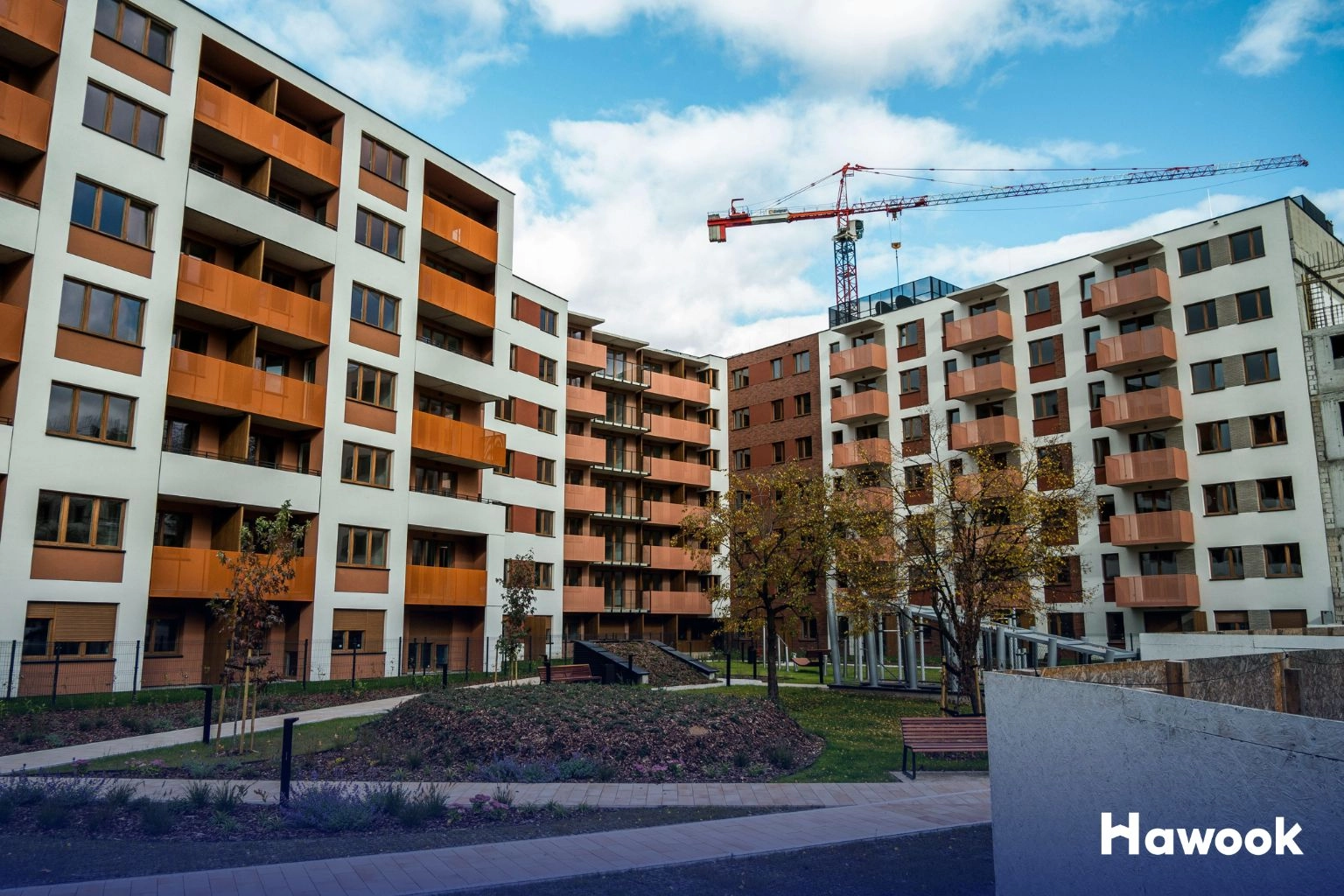
Before you commit to any off-plan deal, take a step back and test a developer, not just the property. Nice renders and smooth sales pitches don’t build buildings. Track record, financial strength, and real-world delivery do. A quick check now can save you from a long wait later.
Table of Contents
A friend of mine put a deposit on an off-plan condo last year. Showroom looked clean. Pool, gym, nice little coffee corner. Sales team was smooth. Everything felt easy.
Six months in, construction slowed down. Updates got vague. One year later, the building was still halfway up and nobody could give a straight answer.
Same brochure. Same promise. Different reality.
That’s the part most people miss.
When you buy off-plan, you’re not really buying property. You’re betting on the developer to deliver what they said, on time, at the quality they showed you.
Some do. Some don’t.
So instead of getting sold by nice renders and payment plans, it makes more sense to flip the approach. Put the developer under pressure before you commit.
That’s what stress-testing is. Not complicated. Just a smarter way to see who you’re really dealing with.
Why Off-Plan Property Feels Easy (But Isn’t)
On paper, off-plan looks like a no-brainer.
Lower entry price. You get in early, before the “value goes up.”
Payment plans make it feel light. Small chunks instead of one big hit.
And everything is brand new. Clean design, modern layout, no repairs waiting for you.
It feels easy. Almost too easy.
That’s the hook.
But here’s the flip side.
You’re not buying something that exists. You’re trusting that someone will build it exactly the way they promised, within the timeline they showed you.
That gap is where things go sideways.
I’ve seen this play out a few times. A buyer walks into a showroom, sees a perfect unit with nice lighting and clean finishes. Fast forward a year or two, the real unit feels smaller, materials look cheaper, and the handover gets pushed back again and again.
Same project. Different outcome.
With off-plan, you’re not judging a finished product. You’re judging a plan and a team behind it.
And plans don’t fail. Execution does.
What Does It Mean to Stress-Test a Property Developer?
Stress-testing a developer sounds technical, but it’s actually simple.
You’re just asking one question:
What happens if things go wrong?
Because at some point, something usually does. Delays. Cost changes. Construction issues. It’s normal in this space.
The real difference is how the developer handles it.
Do they have the money to keep building?
Do they communicate clearly?
Do they fix problems or disappear?
That’s what you’re trying to figure out.
Most buyers only look at the best-case version. Nice renders, smooth sales pitch, perfect timeline. But that version is easy.
Stress-testing is about the worst-case version.
You’re checking if the developer can still deliver when things get messy. Not just when everything goes to plan.
If they can handle pressure, you’re in a safer position.
If not, you’re just hoping nothing goes wrong. And that’s not a strategy.
Developer Track Record Check
How to Actually Check a Developer’s Past Projects
This is where most people get lazy.
They hear “10 projects completed” and assume it’s solid. Sounds good, right? But that number doesn’t tell you much on its own.
First thing, separate completed projects from launched projects.
Launched just means they started selling. Completed means buyers actually got their units. Big difference.
Next, look at delivery timelines.
Were those projects finished when they said they would be? Or did everything quietly slide by 6 to 12 months?
Delays happen. That’s normal. But consistent delays? That’s a pattern.
Then check long-term quality.
Not how the showroom looked. How the building holds up after a few years. Things like:
- Paint peeling
- Cheap materials wearing out fast
- Poor maintenance setup
If you can, visit one of their older projects. Walk around. Look closely. You’ll learn more in 10 minutes than from any brochure.
Here’s a simple example.
A developer might advertise 12 projects. Sounds impressive. But if only 5 were delivered on time, 4 were delayed, and 3 are still unfinished, that “portfolio” starts to look very different.
Volume looks good on paper. Consistency is what actually matters.
Quick Track Record Checklist
- How many projects are fully completed, not just launched
- Were past projects delivered on time or delayed
- Visit at least one completed project in person
- Check how the building looks after a few years
- Read real buyer reviews, not just marketing materials
- Look for repeated complaints or patterns
Check the Developer’s Financial Stability
Why This Matters More Than You Think
This part isn’t exciting, but it’s where deals either work or fall apart.
Off-plan projects run on cash flow. If the money is steady, construction moves. If it dries up, everything slows down.
Simple as that.
Some developers have solid backing. Bank financing, strong partners, or enough capital to keep building even if sales slow.
Others rely heavily on buyer payments. Your deposit today helps fund construction tomorrow.
That’s where risk creeps in.
If sales drop or costs go up, the project can stall. You’re stuck waiting, with your money already in.
I’ve seen projects where construction looks active at first. Then fewer workers show up. Then progress slows. Then updates stop coming.
It’s not always obvious at the start. But it usually ties back to money.
Weak finances don’t just affect the developer. They affect your timeline, your unit, and sometimes your ability to get your money back.
Red Flags to Watch For
- Heavy reliance on buyer deposits to fund construction
- Multiple projects launching at the same time
- History of delayed or unfinished developments
- Frequent changes in contractors or partners
- Vague answers when you ask about funding
- Big promises with pricing that feels too low
If things feel stretched, they probably are.
Healthy vs Risky Developer
| Signal | Healthy Developer | Risky Developer |
| Funding | Secured financing or strong backing | Depends on buyer payments |
| Cash Flow | Stable and predictable | Unclear or inconsistent |
| Project Load | Focused on a few projects | Running too many at once |
| Construction Pace | Consistent progress | Starts strong then slows down |
| Communication | Clear and direct | Vague or avoids details |
Off-Plan Property Contract Risks
Why the Contract Matters More Than the Brochure
The brochure sells the dream.
The contract tells you what actually happens.
Most people spend hours looking at layouts, finishes, views. Then they skim the contract like it’s just paperwork.
That’s backwards.
When things go wrong, nobody goes back to the brochure. Everything comes down to what’s written in that contract.
This is where you see who’s protected and who’s exposed.
Start with completion timelines.
Is there a clear handover date? Or is it vague, like “estimated” or “subject to change”? The more flexible it is for them, the less control you have.
Then look at delay penalties.
If the project is late, what happens? Do they compensate you? Or is there a long grace period where delays are basically allowed?
Some contracts give developers 6 to 12 extra months with no real consequence. That’s not protection. That’s a free pass.
Next, check refund terms.
If the project stalls or doesn’t complete, can you get your money back? And how easy is that process?
If the answer is unclear or full of conditions, that’s a problem.
I’ve seen buyers assume they can just “pull out” if things go bad. Then they read the fine print and realize it’s not that simple.
Once you sign, you’re locked into whatever that contract says. Not what was promised in the sales room.
Quick Contract Checklist
- Clear and specific completion date written in the contract
- Delay penalties that actually benefit the buyer
- No long grace periods that excuse delays
- Refund terms are clearly defined and realistic
- Payment schedule is tied to construction progress
- No vague wording that gives full control to the developer
- You understand exactly what happens if the project is delayed or canceled
Real Estate Developer Reputation
How to Actually Check a Developer’s Reputation
This part is simple, but people skip it.
Start with reviews. Google, Facebook, property sites. Don’t just look at the rating. Read the comments.
You’re not looking for perfection. You’re looking for honesty.
Then check forums and discussion groups. Places where buyers talk without filters. Reddit, Facebook groups, local expat forums. That’s where people share real experiences, not polished ones.
Next, get local insight.
Talk to agents. Talk to people who live in the developer’s projects. Even security or staff if you visit a building. Ask simple questions.
Was it delivered on time? Any issues after handover?
You’ll be surprised how quickly people open up.
One important thing to remember.
A single bad review doesn’t mean much. Every developer has one or two unhappy buyers.
But repeated complaints? That’s where it gets real.
What Patterns Should You Look For
- Delays mentioned again and again across different projects
- Same complaints about poor build quality
- Issues with after-sales support or maintenance
- Buyers struggling to get updates or clear answers
- Promises made during sales that don’t match reality
If you keep seeing the same story in different places, it’s not random.
It’s how they operate.
Construction Quality Check
How to Judge Quality Before the Building Exists
You can’t inspect a unit that isn’t built yet. But you can still get a pretty good idea of what you’re going to get.
Start with past projects.
Go visit them. Not the showroom. The actual buildings people are living in. Walk around. Look at the details.
Check things like:
- Walls and paint
- Common areas
- Elevators
- Pool and gym condition
If a building is only a few years old and already looks tired, that tells you a lot.
Next, ask about materials.
Don’t just accept “high quality” as an answer. That means nothing. Ask specific questions. What flooring? What fittings? What brands?
If they can’t give clear answers, that’s a sign they might switch things later.
Then look at the contractor.
Some developers build in-house. Others outsource. Either way, the team doing the construction matters just as much as the developer’s name.
If the contractor has a solid track record, that’s a good sign. If it’s unclear who’s building it, that’s a gap.
Here’s a simple example.
Two projects can look almost identical in photos. Same layout, same design. But one uses solid materials that last. The other cuts corners.
Fast forward three years.
One still looks fresh. The other has chipped tiles, worn cabinets, and constant repairs.
Same idea. Very different outcome.
That difference usually comes down to what you don’t see at the start.
Legal Checks (Land Title and Permits)
The Basics Most People Skip
This part isn’t exciting, but it can save you from a big mess.
Before anything gets built, the land and paperwork need to be clean. If not, the whole project can run into problems later.
Start with land ownership.
Who actually owns the land? Is it fully registered and transferable? Or are there layers of ownership that don’t make sense?
If the developer doesn’t have clear rights to the land, everything else is built on shaky ground.
Next, check permits.
Does the project have full approval to build? Not “in progress” or “expected soon.” Approved.
Some projects start marketing before everything is finalized. That’s where delays can creep in.
Then there’s zoning.
Is the land approved for this type of project? Residential, hotel, mixed use. It matters more than people think.
If zoning doesn’t match the plan, you could end up with restrictions later. Or worse, the project gets blocked.
I’ve seen cases where buyers assumed everything was fine because the showroom looked legit. Then months later, construction slowed down because permits weren’t fully cleared.
By then, it’s too late to ask questions.
Quick Legal Checklist
- Land ownership is clear and properly registered
- Developer has legal rights to build on the land
- All construction permits are fully approved
- Zoning matches the type of project being sold
- No ongoing legal disputes linked to the land or project
- You’ve verified documents, not just taken their word for it
Escrow and Payment Protection
How Payment Structure Can Save You
This is one of those things people only think about after something goes wrong.
How you pay matters just as much as what you buy.
With safer setups, your money moves in stages. Not all at once.
Escrow is one example. Your money sits with a third party and only gets released when certain milestones are hit. Like foundation done, structure up, finishing stage.
Staged payments work in a similar way. You pay as the project progresses. If construction slows, your payments slow too.
It keeps things balanced.
Now compare that to large upfront payments.
You pay a big chunk early. The developer gets most of the money before the work is done. After that, you’re relying on trust.
If everything goes well, no problem.
If it doesn’t, you’re already deep in.
I’ve seen buyers pay 50 percent early because the deal looked good. Later, construction slowed and updates got vague. At that point, there’s not much leverage left.
When your money is tied to progress, you stay in control.
When it’s all paid upfront, you’re just waiting and hoping things move.
Developer Overextension Risk
This one is easy to miss because it can look like success.
A developer launches multiple projects at the same time. New sites, new marketing, everything looks busy and active.
But more projects doesn’t always mean more strength. Sometimes it means they’re stretched.
Think of it like a small restaurant trying to serve 50 tables at once.
At the start, everything feels fine. Orders come in, kitchen is moving. Then things slow down. Food takes longer. Mistakes happen. Staff gets overwhelmed.
Same idea here.
Developers have limited resources. Money, workers, contractors, management attention. When those get spread across too many projects, something starts to slip.
Usually it shows up as:
- Slower construction progress
- Fewer workers on site
- Delays that keep getting pushed
You might see one project moving well, while another quietly stalls.
From the outside, it still looks active. But inside, things are stretched thin.
A focused developer finishes projects.
An overextended one keeps starting new ones while older ones drag behind.
Developer Due Diligence Checklist
If you don’t want to overthink it, just run through this before you commit:
- Developer has completed projects, not just launched ones
- Past projects were delivered close to the promised timeline
- You’ve visited at least one real project, not just a showroom
- Buildings still look solid after a few years
- Reviews show consistent feedback, not repeated complaints
- Developer has clear funding, not just relying on buyer money
- No signs of too many projects running at once
- Construction progress looks steady, not slowing
- Contract has a clear completion date
- Delay penalties actually protect you
- Refund terms are clear and realistic
- Land ownership is clean and verified
- Permits are fully approved
- Zoning matches the project
- Payment structure is staged or protected
- No large upfront payments without safeguards
If you can tick most of these, you’re in a decent position.
If not, take a step back. It’s easier to wait than fix a bad deal later.
Common Off-Plan Property Risks
- Project delays
Timelines slip. What was 12 months becomes 18 or more. - Design changes
Layouts, finishes, or materials don’t match what you saw at the start. - Lower build quality
Nice showroom, average reality. Corners get cut where you don’t see it. - Developer cash issues
If funding dries up, construction slows or stops. - Weak contracts
No real protection if things go wrong. You’re locked in. - Poor after-sales support
Once you’ve paid, communication drops off.
FAQs
How do I vet a property developer?
Check their completed projects, not just launches. Visit real buildings. Look at reviews. Read the contract properly. Focus on patterns, not promises.
Is buying off-plan property risky?
Yes. You’re buying something that doesn’t exist yet. The risk depends on how solid the developer is.
What’s the safest way to invest in off-plan?
Stick with proven developers. Use staged payments or escrow. Make sure the contract protects you, not just them.
What are the biggest red flags?
No track record, vague contracts, too many projects at once, and pricing that feels too good for the market.
Final Thought
Off-plan itself isn’t the issue.
There are good projects out there. Good developers too. People make solid returns when things are done right.
The problem is when buyers skip the checks and trust the sales pitch.
That’s where things usually break.
Take a bit more time. Ask better questions. Look past the nice visuals and focus on who’s actually building the thing.
Because in the end, you’re not just buying property.
You’re trusting someone to deliver it.



Join The Discussion