Phuket Vs Vietnam Vs Bali – Where To Invest? | Hawook
Search
Table of Contents
Table of Contents
1. Introduction
Southeast Asia has long captured the imagination of travelers, retirees, and digital nomads — but in recent years, it’s also caught the serious attention of property investors. With strong tourism growth, relatively affordable real estate, and the lifestyle appeal of tropical living, countries like Thailand, Indonesia, and Vietnam have emerged as hotbeds for international property investment.
Among the top contenders in 2025 are Phuket, Bali, and Vietnam’s coastal cities like Da Nang and Nha Trang. Each offers a unique mix of opportunity and risk — from legal frameworks and rental yields to lifestyle and long-term growth potential.
When comparing Vietnam and Thailand, travelers and investors alike are drawn to their diverse landscapes, vibrant capital cities, and world-renowned tourist destinations. Deciding between Thailand and Vietnam is often the first step in planning a Southeast Asian adventure, as each country offers distinct experiences and attractions.
This article breaks down the key factors to consider when choosing between them. Whether you’re looking for a holiday rental with high yields, a lifestyle investment, or a long-term bet on regional growth, we’ll help you figure out where your money will work hardest — and happiest.
2. Quick Comparison Table
Feature | Phuket (Thailand) | Bali (Indonesia) | Vietnam (Da Nang/Nha Trang) |
Foreign Ownership | Condos (Freehold); Villas (Leasehold) | No freehold; Leasehold + nominee structures | Condos (50% foreign quota); Land on leasehold (50 years) |
Avg. Property Price (USD) | $2,500–$4,500 per sqm (condos) | $2,000–$4,000 per sqm (villas) | $1,800–$3,500 per sqm (condos/apartments) |
Rental Yield (Short-term) | 6–10% | 8–12% | 5–9% |
Tourism Volume (2024) | ~14M visitors (national), strong rebound | ~17M visitors (national), peaking high season | ~12.6M visitors (national), rising steadily |
Cost of Living | Moderate | Low to moderate | Low |
Infrastructure | High (roads, hospitals, airport, malls) | Medium (improving, still patchy) | Improving rapidly (transport, urban dev.) |
Lifestyle Appeal | Beach clubs, yachting, wellness, expat-friendly | Surf, yoga, café culture, creative crowd | Mix of modern & local, fast-growing expat base |
Ease of Doing Business | Moderate (some red tape) | Tricky for foreigners (local nominee needed) | Improving but bureaucratic |
Natural Disaster Risk | Low (occasional monsoon floods) | Medium (volcanoes, earthquakes) | Medium (typhoons, flooding in some areas) |
3. Foreign Ownership & Legal Landscape
Understanding the legal environment is crucial when investing in foreign property. Each of these markets has its own quirks and rules around what foreigners can and cannot own. Here’s what you need to know:
🇹🇭 Phuket (Thailand)
Foreign ownership is straightforward for condos, but more restricted for landed property.
Condos: Foreigners can own freehold condos, as long as foreign ownership doesn’t exceed 49% of the total unit space in a building. This is the easiest and most secure path to ownership.
Villas / Landed Property: Foreigners cannot own land outright. Most investors use:
Leasehold structures (30 years, renewable)
Or Thai company ownership (involving local shareholders — legally sensitive)
New developments often structure projects specifically to comply with foreign ownership rules, making the process easier.
✅ Thailand offers legal clarity for condo buyers and a well-developed property market with professional support.
🇮🇩 Bali (Indonesia)
Indonesia prohibits foreign freehold ownership, making Bali’s legal landscape the most complex of the three.
No freehold for foreigners — all land is owned under Indonesian title (Hak Milik).
Foreigners can invest using:
Hak Pakai: A right-to-use title valid for up to 80 years (initial 30-year term, with two extensions).
Leaseholds: Long-term leases (25–30 years), common in villa purchases.
Nominee arrangements: Foreigners place property under an Indonesian citizen’s name — legally risky and strongly discouraged.
While foreign property laws have softened in recent years, enforcement remains inconsistent and unclear.
⚠️ Buyers in Bali must tread carefully and work with trusted legal advisors. Leasehold is common, but grey-area deals still abound.
🇻🇳 Vietnam (Da Nang, Nha Trang, Ho Chi Minh)
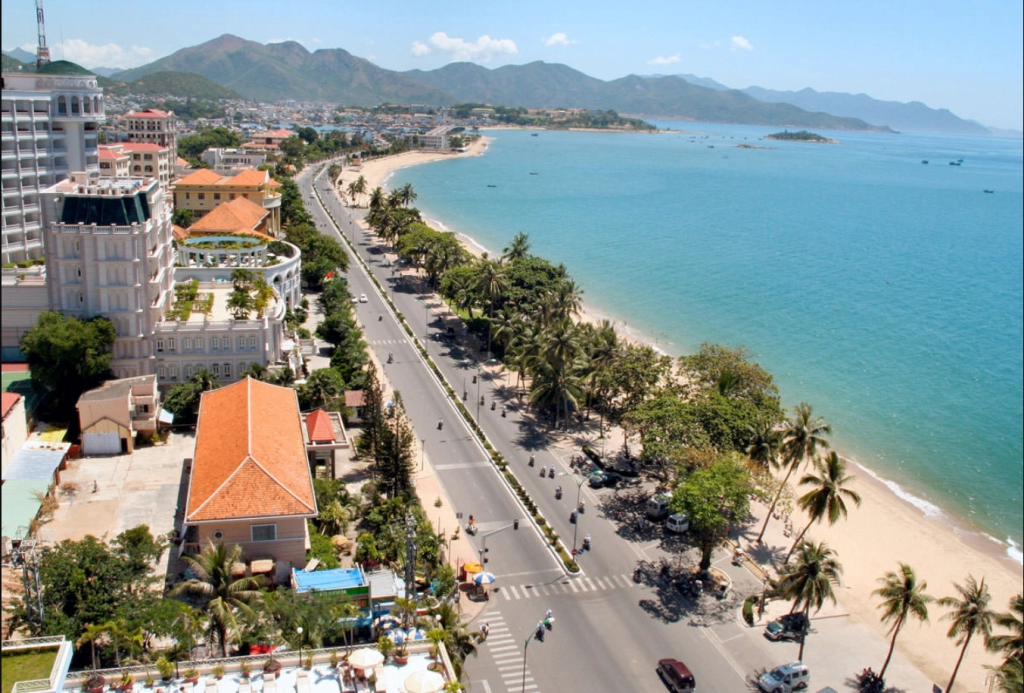
Nha Trang is Vietnam’s original resort hub, offering ocean-view condos and rising foreign buyer interest in 2025. Image Source: Google Maps © 2025
Vietnam has opened up considerably to foreign buyers, especially in new developments.
Condos: Foreigners can own up to 30% of units in any residential project.
Landed property: Not allowed to own land, but foreigners can obtain 50-year leaseholds (often renewable).
Legal purchases must be from a developer with government approval to sell to foreigners.
Paperwork and bureaucracy can be slow, but the framework is improving with Vietnam’s push for more FDI.
✅ Vietnam presents a promising and more transparent option than Bali for foreigners, especially in urban and coastal condos.
Bottom Line:
Phuket is the most legally straightforward for condos.
Vietnam offers decent protections and growing clarity.
Bali has great potential but remains murky for foreign ownership — leasehold is safest, but caution is essential.
4. Property Prices & Rental Yields
When choosing where to invest, two key metrics stand out: property prices and rental returns. Below is a breakdown of the current market conditions in Phuket, Bali, and Vietnam based on 2024–2025 data from developers, brokers, and published investment reports.
🇹🇭 Phuket, Thailand
Average Property Prices:
Condos in prime areas (e.g. Kata, Surin, Rawai): $2,500–$4,500 USD per sqm
Villas (leasehold): $300,000–$1.5M USD+ depending on location, size, and view
Rental Yields:
Short-term rental yields: 6%–10%, particularly strong in tourist-heavy zones with beach access and resort-style amenities. High yields are also driven by the presence of luxury resorts that attract affluent tourists and long-stay visitors.
Long-term rental yields: 3%–5%, depending on unit type and lease terms
Notes:
Phuket remains a top choice for holiday rental investors, with occupancy rebounding post-COVID (78–82% avg. in high season per CBRE Thailand and FazWaz reports).
Condos offer the most secure entry point for foreign investors.
📚 Sources: CBRE Thailand MarketView 2024, FazWaz Investor Guides, Knight Frank Thailand
🇮🇩 Bali, Indonesia
Average Property Prices:
Villas in Seminyak, Canggu, Uluwatu: $2,000–$4,000 USD per sqm
Leasehold villas range from $150,000–$500,000 USD, often for 25–30 years
Rental Yields:
Short-term rental yields: 8%–12%, among the highest in Southeast Asia
Long-term rental yields: 4%–6%, popular with digital nomads and families
Notes:
Bali’s short-stay rental market is booming due to remote work, with AirDNA reporting Bali as one of the top 5 most booked Airbnb destinations in the world in 2024.
However, oversupply in some areas is starting to compress yields slightly.
📚 Sources: Colliers Indonesia Q1 2024, AirDNA Market Review, Bali Property Direct, Bali Realty
🇻🇳 Vietnam (Da Nang, Nha Trang, Ho Chi Minh)
Average Property Prices:
Condos in Da Nang and Nha Trang: $1,800–$3,500 USD per sqm
Ho Chi Minh high-end condos: $3,000–$6,000 USD per sqm
Rental Yields:
Short-term rental yields: 5%–9%, especially in tourist districts
Long-term rental yields: 3%–5%, mostly driven by the domestic rental market
Notes:
Vietnam is attracting more institutional and foreign developers, with consistent price growth and increasing project launches.
Regulatory delays and tight foreign quotas can slow down the buying process.
📚 Sources: Savills Vietnam Q1 2024, JLL Vietnam Property Report, Batdongsan.com.vn
📈 Summary Table
Location | Avg. Condo Price (USD/sqm) | Short-Term Yield | Long-Term Yield | Market Notes |
Phuket | $2,500–$4,500 | 6%–10% | 3%–5% | Strong tourism base, stable resale |
Bali | $2,000–$4,000 | 8%–12% | 4%–6% | Highest yields, legal complexity |
Vietnam | $1,800–$3,500 | 5%–9% | 3%–5% | Fast-growing, improving transparency |
Takeaway:
Bali leads on yield potential, but legal uncertainty requires caution.
Phuket offers a balance of yield and legal protection.
Vietnam has strong long-term growth prospects and comparatively lower entry prices.
🇹🇭 Phuket, Thailand
Tourism Volume (2024):~14 million international visitors to Thailand, with Phuket being the #1 island destination.
Key Drivers:
Direct international flights via Phuket International Airport (one of Thailand’s busiest)
Strong return of Chinese, Russian, Indian, and European tourists post-COVID
Growing wellness tourism, luxury hospitality, and yacht tourism markets
Rise in long-stay visitors and “workation” trends (Thailand’s Long-Term Residency visa helping here)
Phuket is also renowned for its family friendly resorts, world-class scuba diving, and easy access to other Thai islands such as Koh Samui, Koh Lanta, and Koh Tao. The region is famous for its beautiful beaches, vibrant marine life, and stunning landscapes, making it a top choice for a variety of travelers.
Emerging Trends:
Surge in digital nomads and remote workers (esp. Rawai, Cherngtalay, Kata)
Family travelers and retirees seeking quality healthcare and international schools
📚 Sources: TAT Newsroom, Phuket Tourism Association, Knight Frank Thailand
🇮🇩 Bali, Indonesia
Tourism Volume (2024):
~17 million international visitors to Indonesia, with Bali receiving the majority.
Key Drivers:
Iconic destination status — consistent top rankings on TripAdvisor and Airbnb
Strong appeal to digital nomads, influencers, and remote workers (especially Canggu, Ubud)
Spiritual and wellness tourism (yoga retreats, eco-resorts)
Indonesia’s “Second Home Visa” introduced in late 2023 to attract long-term foreign residents with wealth or investment
Emerging Trends:
More luxury travelers, eco-conscious development
Fast-growing café and coworking scene enhancing lifestyle appeal
📚 Sources: Indonesia Ministry of Tourism, AirDNA, Colliers Indonesia, AirAsia Insights
🇻🇳 Vietnam (Da Nang, Nha Trang, HCMC)
Tourism Volume (2024):~12.6 million international arrivals (up 55% YoY)
Key Drivers:
Government goal: 18–20M international visitors per year by 2025
Fast-rising middle class boosting domestic tourism
Da Nang: Major beach city with rapid infrastructure upgrades and casino resorts
Nha Trang: Known for Russian and Korean tourists; rebounding post-COVID
HCMC and Hanoi: Strong business travel and long-term expat demand
Vietnam’s appeal is further enhanced by natural wonders like Ha Long Bay and Phu Quoc Island, the cultural richness of the Mekong Delta and its floating markets, and stunning beaches. The country’s rich history is reflected in its historical sites, while scenic terraced rice fields, hidden gems off the tourist trail, and breathtaking landscapes attract a wide range of travelers.
Emerging Trends:
Vietnam positioning itself as an affordable, urban + coastal hybrid
Gradual shift from pure tourism to livability and investment-led visits
📚 Sources: Savills Vietnam, Vietnam National Administration of Tourism, JLL Southeast Asia, VNExpress
✈️ Summary: What’s Driving Demand?
Location | Top Tourist Segments | Trends Fueling Property Demand |
Phuket | Mid-high income tourists, retirees, families | Long-stay visas, wellness, yachting, nomads |
Bali | Digital nomads, yoga tourists, eco-travelers | Nomad visas, short-stay rentals, influencer culture |
Vietnam | Domestic tourists, Asian markets, expats | Infrastructure + casino tourism + urban expats |
Takeaway:
Bali is driven by strong branding and repeat short-term visitors.
Phuket benefits from stable, diversified tourism and long-stay trends.
Vietnam is still maturing, with rising regional demand and infrastructure-led tourism growth.
6. Lifestyle & Liveability
Beyond the spreadsheets and ROI, lifestyle is a major factor for investors — especially those considering part-time residency, digital nomadism, or appealing to long-term tenants. Here’s how Phuket, Bali, and Vietnam stack up when it comes to everyday living.
Local culture, local customs, and rich cultural heritage—including Thai culture—play a significant role in shaping lifestyle experiences in these destinations, and both Thailand and Vietnam offer abundant opportunities for nature lovers.
🇹🇭 Phuket, Thailand
Lifestyle Highlights:
International vibe with expats from Russia, Europe, and Asia
Strong wellness and fitness scene (Muay Thai camps, gyms, yoga studios)
Excellent international schools, hospitals, and clinics (Bangkok Hospital, Phuket International Hospital)
Beach clubs, marinas, golf courses, and fine dining
Phuket is also renowned for its vibrant culinary scene. Visitors can take cooking classes to immerse themselves in Thai cuisine and learn to prepare signature dishes. The island is famous for its street food markets, where you can eat Thai food bursting with bold, spicy flavors. Popular dishes include green curry, tom yum goong, and a variety of spicy food options that showcase the depth of Thai food. For dessert, don’t miss mango sticky rice or other treats made with sticky rice. Phuket also offers a wide selection of family friendly resorts, making it an excellent destination for travelers with children.
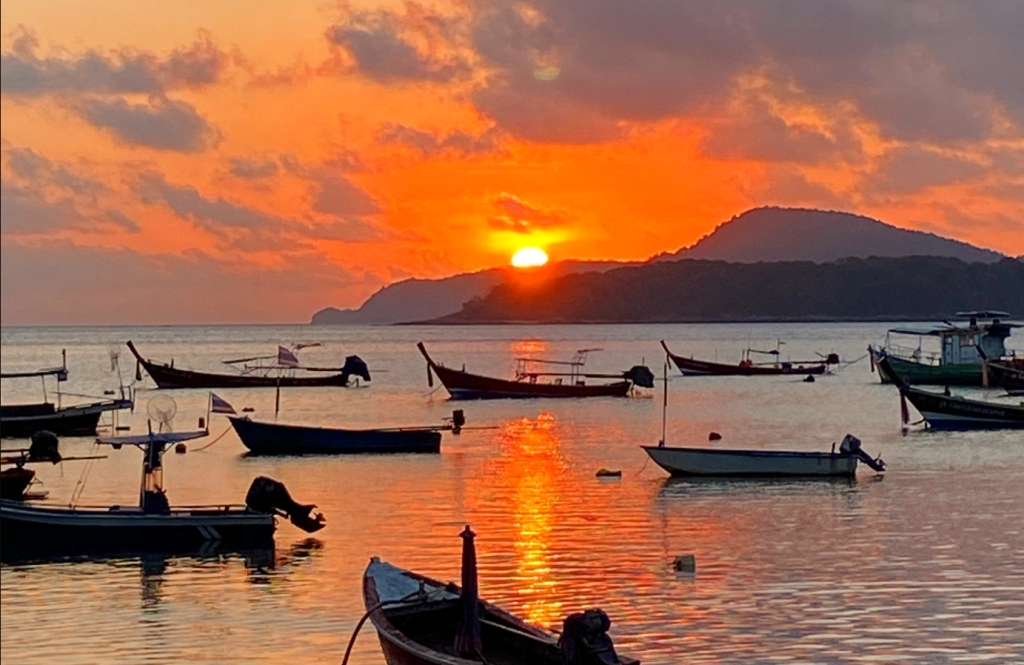
Rawai Beach is a top choice for long-stay investors in Phuket, known for its peaceful charm and strong rental appeal. Image Source: Google Maps © 2025
Infrastructure & Essentials:
Reliable internet across most areas (fiber and mobile 5G)
Good roads, shopping malls, and supermarkets
Grab app and motorbike rentals make transport easy
Ideal For:
Families, semi-retired investors, digital nomads, and lifestyle buyers who value modern convenience
🇮🇩 Bali, Indonesia
Lifestyle Highlights:
Distinct areas for different tribes:
Canggu for surfers and digital nomads
Ubud for spiritual and creative types
Seminyak for nightlife and shopping
Rich culture, daily ceremonies, and scenic beauty
Strong café culture and thriving coworking spaces
Infrastructure & Essentials:
Unreliable electricity and internet in some areas
Traffic congestion in hotspots (Canggu, Seminyak)
Healthcare is improving, but not yet world-class; many expats fly to Singapore or Jakarta for serious issues
Ideal For:
Solo expats, remote workers, creatives, and short-term lifestyle seekers
🇻🇳 Vietnam (Da Nang, Nha Trang, Ho Chi Minh City)
Lifestyle Highlights:
Da Nang: Calm beach city with growing expat community and modern condos
Nha Trang: Popular with Russian and Korean expats; more resort-oriented
HCMC: Urban, cosmopolitan, and energetic — ideal for long-term stays
Infrastructure & Essentials:
Internet is fast and reliable in cities
Public transport still under development, but taxis and apps like Grab work well
Healthcare varies: quality private clinics in big cities; limited options in smaller towns
Ideal For:
Budget-conscious investors, long-term renters, urban expats, and digital nomads open to adventure
Vietnamese cuisine is a major part of daily life, with vibrant street food markets offering a wide range of delicious food. Vietnamese food is known for its freshness, subtle flavors, and use of herbs and vegetables. Noodle soups like Pho and Bun Cha are popular choices, with Bun Cha standing out as a flavorful dish of grilled pork and noodles. The street food culture in Vietnam is lively and accessible, making it easy for locals and travelers alike to enjoy authentic, affordable meals.
🧘 Summary Table: Lifestyle Factors
Category | Phuket | Bali | Vietnam |
Healthcare | Excellent private hospitals | Basic local care; fly abroad if needed | Good in cities, limited in smaller towns |
Internet | Fast + 5G in most areas | Inconsistent in rural areas | Strong in cities |
Schools | Top-tier international schools | Limited outside expat hubs | Good in HCMC |
Expat Community | Nomad-heavy, transient | Growing steadily | |
Transport | Cars, bikes, Grab | Bikes and scooters (traffic!) | Grab, taxis, walkable cities |
Overall Vibe | Polished, easy living | Raw, spiritual, vibrant | Energetic, urban-coastal hybrid |
Takeaway:
Phuket offers the best all-round infrastructure and ease of living.
Bali is a dream for creatives and nomads — if you can handle the chaos.
Vietnam is on the rise, especially for those who want affordable urban beach life and are okay with some growing pains.
7. Infrastructure & Development Outlook
Strong infrastructure is a leading indicator of future property value. Airports, roads, utilities, and digital access not only shape a destination’s livability — they also determine how scalable its real estate market is. Here’s how Phuket, Bali, and Vietnam are building for the future.
🇹🇭 Phuket, Thailand
Current Infrastructure:
Well-developed road network and utilities in main areas
One of Thailand’s busiest international airports (Phuket International Airport)
Phuket is well connected to other Thai cities and islands via frequent domestic flights, making travel within Thailand convenient for residents and tourists.
Multiple international hospitals, shopping malls (Central, Blue Tree), and marinas
Upcoming & Planned Developments:
Second Phuket airport (in Phang Nga) planned to handle overflow and boost regional connectivity
Light rail project proposed to ease traffic congestion from the airport to south Phuket
Ongoing road expansions and flood management upgrades
Investor Takeaway:Phuket has the most mature infrastructure of the three and is investing heavily to maintain that lead — especially to support luxury tourism and yachting.
🇮🇩 Bali, Indonesia
Current Infrastructure:
Bali Ngurah Rai International Airport (Denpasar) is well connected but strained during peak seasons
Roads are notoriously congested — especially in Canggu and Seminyak
Waste management and power grid are underdeveloped in many areas
Upcoming & Planned Developments:
North Bali Airport has been proposed to decentralize tourism — but progress is slow
New bypass roads and toll highways under construction, especially connecting Denpasar–Gilimanuk
Digital Nomad Visa program is spurring upgrades in coworking hubs and fintech connectivity
Investor Takeaway:
Infrastructure struggles to keep up with demand. While change is coming, Bali remains a high-yield, high-challenge market for now.
🇻🇳 Vietnam (Da Nang, Nha Trang, Ho Chi Minh)
Current Infrastructure:
Da Nang: Highly rated infrastructure (wide boulevards, smart-city ambitions)
Nha Trang: Coastal highway expansion improving access from Cam Ranh Airport
Ho Chi Minh: Metro system under construction (delayed but significant)
Hanoi, the capital city, serves as a major hub for modern infrastructure and transportation, reflecting Vietnam’s rapid urban development.
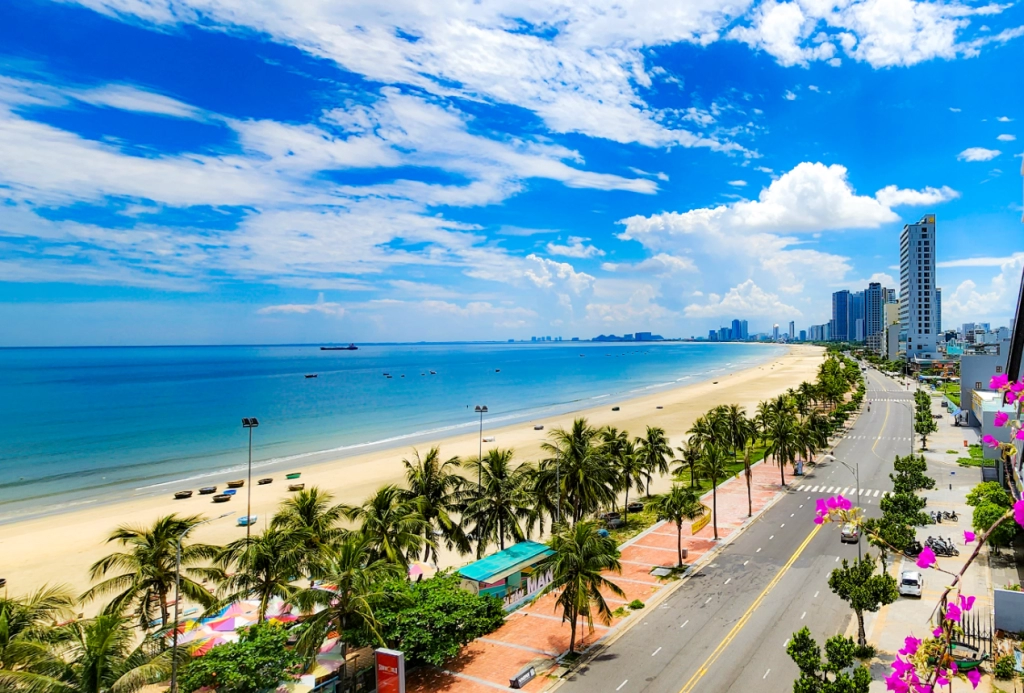
Da Nang’s modern coastal skyline and smart infrastructure make it Vietnam’s rising star for property investors. Image Source: Google Maps © 2025
Upcoming & Planned Developments:
Long Thanh International Airport (set to be Southeast Asia’s largest) under construction near HCMC
Da Nang Smart City project — positioning the city as a tech-forward coastal hub
Rapid real estate development zones in Quy Nhon, Phu Quoc Island, and Hai Phong, with Phu Quoc Island emerging as a prime destination for tourism and investment
Investor Takeaway:Vietnam is aggressively upgrading infrastructure with strong government backing. This makes it ideal for long-term investors who are comfortable navigating a fast-moving, bureaucratic environment.
🛣️ Summary: Infrastructure & Development Outlook
Location | Current Infrastructure | Planned Projects | Investor Implication |
Phuket | Most developed | Airport expansion, light rail | Stable, mature market with upside from upgrades |
Bali | Under pressure | Roads, proposed new airport | High yield but infrastructure lags |
Vietnam | Fast-improving | Mega airport, smart cities | Long-term growth play, good value |
Takeaway:
Vietnam leads in infrastructure momentum, with national backing and urban transformation.
Phuket already has mature infrastructure and continues to upgrade for quality tourism and expat living.
Bali lags behind, with infrastructure struggling to keep pace with investor and tourist growth.
8. Risks & Considerations
Every real estate market has its upsides — but smart investors also look at the downsides. Legal ambiguity, currency volatility, natural disasters, and political shifts can all affect investment outcomes. Here’s a clear-eyed look at the most pressing risks in Phuket, Bali, and Vietnam.
🇹🇭 Phuket, Thailand
Legal Risks:
Foreigners cannot legally own land — most villas are held via leasehold or through Thai companies (which require Thai majority shareholders).
Enforcement of lease renewals isn’t guaranteed — though long-standing developers offer structured renewals and workarounds.
Economic & Political Risks:
Thailand has a history of political instability, though property markets remain surprisingly resilient during transitions.
Baht (THB) is relatively stable, but still subject to regional economic swings.
Natural Risks:
Low to moderate: monsoon flooding can affect certain inland areas but rarely coastal zones. No earthquake or volcano risk.
Other Considerations:
Foreign exchange controls can be strict — money must be sent in foreign currency and properly documented for repatriation of profits.
📚 Sources: Thai Real Estate Law (DDproperty, CBRE), Tilleke & Gibbins Legal Outlook
🇮🇩 Bali, Indonesia
Legal Risks:
Foreigners cannot hold freehold land, and many resort to using Indonesian nominees — a legally risky practice that’s strongly discouraged.
Leasehold structures are common, but contract enforceability varies.
Confusion and inconsistency around Hak Pakai use for residential purposes.
Economic & Political Risks:
Indonesian rupiah (IDR) is more volatile than THB or VND.
Policy changes are frequent and often unclear, especially around visas and property rules for foreigners.
Natural Risks:
Medium to high: Bali is located in the “Ring of Fire” with earthquakes and active volcanoes. Mt. Agung has disrupted air traffic in recent years.
Other Considerations:
Infrastructure gaps (traffic, power) can limit property appeal despite strong yields.
Government clampdowns on foreigner-owned businesses in residential zones can surprise unprepared investors.
📚 Sources: HPI Property Law Review, Indonesia Investment Guide (BKPM), Australian Government Travel Advice
🇻🇳 Vietnam (Da Nang, Nha Trang, HCMC)
Legal Risks:
Foreigners are allowed to buy property in new developments, but:
There’s a foreign ownership quota (30% of any one condo project).
Leasehold only — usually 50 years, with possible renewal.
Bureaucracy can slow down paperwork, and processes vary by province.
Economic & Political Risks:
The Vietnamese dong (VND) is managed and relatively stable, but non-convertible — profit repatriation requires correct structuring.
The legal system is still maturing, and investor protections are evolving.
Natural Risks:
Central Vietnam (e.g. Da Nang, Nha Trang) experiences typhoons and flooding, especially between September–November.
Earthquake risk is very low.
Other Considerations:
Language barriers and slow legal processes can frustrate investors unfamiliar with the system.
📚 Sources: Savills Vietnam, VCCI Legal Briefings, World Bank Vietnam Risk Index
⚠️ Summary: Key Investment Risks
Risk Type | Phuket | Bali | Vietnam |
Legal Ownership Risk | Medium (land restrictions) | High (no freehold; nominee use common) | Low–Medium (leasehold quotas, bureaucracy) |
Currency Volatility | Low | High | Moderate (non-convertible currency) |
Natural Disasters | Low (floods only) | High (earthquakes, volcanoes) | Medium (typhoons) |
Political Stability | Moderate | Moderate | High (one-party, policy-driven system) |
Infrastructure Gaps | Few | Many | Improving rapidly |
Takeaway:
Phuket is the safest bet legally — especially for condos — but investors should accept leasehold limitations.
Bali offers high yields but comes with the highest legal and natural risk — best suited for experienced, cautious investors.
Vietnam sits in the middle: improving fast, but still bureaucratic. Offers excellent long-term growth if you can navigate the red tape.
9. Case Studies & Buyer Profiles
Let’s bring the data to life with a few sample investor profiles. These examples reflect real-world motivations, budgets, and decision-making criteria — helping you see which location might suit your investment goals best.
These case studies can also help you decide where to invest or plan your next trip, as both Vietnam and both Thailand offer unique opportunities for investors and travelers alike. If you are interested in emerging markets, consider making plans to visit Vietnam and experience its dynamic growth firsthand.
👨💼 Investor 1: The Yield Chaser – Sam from Singapore
Profile: Mid-30s tech professional, looking for a high-yield investment property that doubles as a vacation spot.
Budget: $250,000 USD
Key Priorities: Short-term rental income, modern design, and beach proximity.
Decision: Bali
Sam chooses a 2-bedroom leasehold villa in Canggu with a 25-year lease and potential for 10–12% short-term yields.
He uses a reputable management company and targets digital nomads and tourists on Airbnb.
Risks Accepted: Leasehold structure, legal grey zones
Upside: High occupancy, vibrant rental market 📍 Best Fit: Bali
👩👧👦 Investor 2: The Lifestyle Buyer – Julia from Germany
Profile: Semi-retired mother with two teens, planning to live in Asia part-time and rent the property when away.
Budget: $400,000 USD
Key Priorities: International schools, healthcare, stable legal setup.

Kata Beach is a favourite for lifestyle investors in Phuket, offering beachfront condos and spectacular sunsets. Image Source: Google Maps © 2025
Decision: Phuket
Julia purchases a freehold condo in Kata close to international schools and hospitals.
Phuket’s abundance of family friendly resorts makes it especially appealing for families relocating or vacationing, providing comfortable accommodations and kid-friendly amenities.
She uses a local agency to handle seasonal rentals, earning 6–8% yield during high season.
Risks Accepted: Limited capital appreciation Upside: Legal clarity, family comfort, turnkey rental option 📍 Best Fit: Phuket
🧑💻 Investor 3: The Long-Term Growth Seeker – Minh from Canada (Vietnamese heritage)
Profile: First-generation Vietnamese-Canadian looking to invest in his roots with a long-term view.
Budget: $180,000 USD
Key Priorities: Capital growth, affordability, alignment with local development.
Decision: Vietnam
Minh buys a 1-bedroom condo in Da Nang during pre-launch, securing a foreign ownership unit with a 50-year lease.
He’s focused on price appreciation and rents it out long-term to a local tenant. Vietnam’s rich history and cultural depth also make it especially appealing for long-term investors like Minh, who value both financial growth and a connection to heritage.
Risks Accepted: Bureaucracy, slower income flow Upside: Low entry price, high long-term upside 📍 Best Fit: Vietnam
🧳 Summary Table: Who Should Invest Where?

Echo Beach in Canggu blends Bali’s surfer charm with strong short-term rental potential — making it a hotspot for lifestyle investors. Image Source: Google Maps © 2025
Buyer Type | Ideal Market | Why It Works |
Yield-Focused Investor | Bali | High occupancy and returns (if legally structured) |
Lifestyle + Rental Hybrid | Phuket | Great infrastructure, legal clarity, family-ready |
Capital Growth / Budget-Conscious | Vietnam | Low entry cost, urban expansion, fast growth potential |
Takeaway: Each market rewards a different investor mindset. If you’re chasing yield and know how to navigate risk — Bali shines. If you want a secure and comfortable experience — Phuket is hard to beat. And if you’re betting on long-term value — Vietnam may be Southeast Asia’s dark horse.
10. Conclusion
Phuket, Bali, and Vietnam each offer a unique blend of opportunity and risk — and there’s no one-size-fits-all answer. Your ideal investment destination depends on what you value most: income, lifestyle, or long-term growth.
Phuket stands out for its balance: strong infrastructure, legal clarity (especially for condo buyers), and a growing tourism economy built on wellness, yachting, and long-stay living. It’s ideal for lifestyle investors and families who want a secure base in Southeast Asia.
Bali is a high-yield hotspot with global appeal — especially for short-term rentals. But its complex legal framework and infrastructure gaps require careful due diligence. It’s best suited for experienced investors or those working with highly reputable local partners.
Vietnam is the fast riser. With affordable prices, a booming economy, and government-backed infrastructure, it offers great long-term potential. It’s a good fit for early movers willing to navigate bureaucracy in exchange for future upside.
Whether you’re seeking a Southeast Asian adventure or a haven for nature lovers, Phuket, Bali, and Vietnam each offer unique opportunities for exploration, relaxation, and investment.
Ultimately, the best investment isn’t just about the numbers — it’s about the lifestyle you want, the risks you’re willing to accept, and the future you believe in.
11. What’s Next?
Whether you’re in research mode or ready to make a move, the best investments start with clarity — and the right guidance.
✅ 1. Get Our 2025 Southeast Asia Investor Map + Price Guide
Discover top neighborhoods, updated pricing, legal pathways, and rental forecasts — all in one beautiful, data-packed PDF. 📩 [Click here to download it now →]
💬 2. Speak to a Local Expert
Have questions about a specific project, legal setup, or market trend? We’ll match you with a property consultant who lives and breathes your chosen market.
➡️ [Book a free 15-min consult →]
📰 3. Join Our Newsletter
Stay ahead with fresh off-plan listings, investment insights, and behind-the-scenes market updates from Phuket, Bali, and Vietnam.
Delivered every Thursday.
💌 Subscribe to our insider newsletter
🏝️ Where Will You Invest?
Phuket, Bali, or Vietnam — whichever path you choose, Southeast Asia is evolving fast. Now is a golden window for smart, internationally minded investors to position themselves ahead of the curve.
Let us help you make your move — smartly and safely.