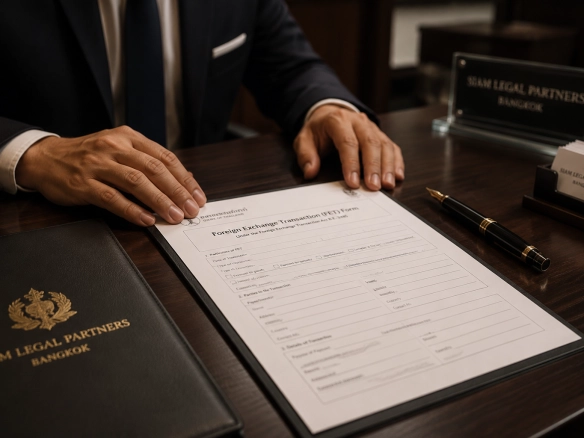
Thinking about how to buy a condo in Thailand as a foreigner? This guide walks you through everything — from legal rules and ownership types to taxes, financing, and transfer day. Whether you're investing or looking for a place to live, it's got all the essentials to help foreigners buy a condo in Thailand confidently.
Table of Contents
Buying a condo in Thailand as a foreigner is an exciting prospect, but navigating the legal and procedural landscape can feel daunting. Whether you’re looking to live in a tropical paradise, retire in luxury, or make an investment, the process comes with some important rules and regulations. Don’t worry – in this guide, we’ll walk you through everything you need to know to buy a condo in Thailand legally and smoothly.
Introduction to Condo Ownership in Thailand
Condo ownership in Thailand is one of the most accessible and secure ways for foreigners to invest in Thai property. Thanks to the Condominium Act, foreigners can legally buy a condo in Thailand, provided they comply with the foreign ownership quota.

Foreigners wishing to buy a condo in Thailand must meet certain legal requirements and eligibility criteria as set out in the Condominium Act.
Foreigners can legally own a condominium in Thailand if they qualify under Section 19 of the Condominium Act. This quota limits foreign ownership to 49% of the total floor area of any condominium building, ensuring a balance between Thai and foreign owners.
The process starts with finding the right property and signing a sale and purchase agreement, which outlines the terms of your investment. To complete the purchase, you’ll need to transfer the purchase price in foreign currency into a Thai bank account, typically through a foreign currency account. All payments for purchasing a condo must be conducted through a foreign bank account to comply with Thai law. This step is crucial, as it provides the documentation required by the land office to register your ownership.
Once the transaction is complete, your name will be officially recorded on the title deed, giving you full legal rights to your individual condominium unit. Ownership of condominium units means you have exclusive rights to your unit, while common areas such as hallways, pools, and gyms are shared among all unit owners according to the Condominium Act. With clear regulations and a straightforward process, buying a condo in Thailand is a popular choice for those seeking a tropical lifestyle or a smart investment.
Types of Condos and Apartments Available to Foreigners
Foreigners have a variety of options when it comes to choosing a property in Thailand, but it’s important to understand the differences between condos and apartments. The most secure form of property ownership for foreigners is a freehold condominium unit in a licensed condominium building.
Only licensed condominiums offer full individual ownership with government-issued title deeds. Under the Condominium Act, these buildings are required to meet specific criteria to be registered as condominiums, including having a condominium license and a condominium juristic person to manage the property.
Freehold condos grant you full ownership of your individual unit, while leasehold condos offer long-term rental rights, typically up to 30 years, with possible extensions. An apartment building refers to a property that is not registered under the Condominium Act and does not provide individual ownership rights—these are usually rental properties without the security of a title deed.
A multi unit apartment building must be registered under the Condominium Act to be managed as a condominium; otherwise, it is treated as a standard apartment building with different legal protections and management regulations. Apartment buildings that are not registered under the Condominium Act do not offer the same ownership rights to foreigners as registered condominiums, and are typically limited to rental arrangements.
When buying a condo, always confirm that the property is a registered condominium building, as this ensures your investment is protected under Thai law and managed by a condominium juristic person.

Can Foreigners Buy Condos in Thailand?
Yes, foreigners can buy condos in Thailand, but there are some important rules to understand. The Thai government has set guidelines that limit how much of a condominium building can be owned by foreigners. Typically, up to 49% of the units in a condo building can be owned by non-Thais. The remaining 51% must be owned by Thai nationals or Thai entities.
A foreign buyer must ensure that the building’s foreign ownership quota is not exceeded and must comply with all legal requirements, including providing the necessary documentation and following the registration process when purchasing a condo in Thailand.
So, while you can buy a condo in Thailand, it’s crucial to check the foreign ownership quota before moving forward with a purchase.
Understanding Foreign Ownership Laws in Thailand
Before diving into the paperwork, it’s crucial to understand the legal side of things. As a foreigner, you can buy a condo in Thailand, but only if the building allows foreign ownership. Here’s what you need to know:
- Ownership Quota: Thailand’s foreign ownership law states that foreigners can own up to 49% of a condo building. The Condominium Act governs foreign ownership by setting this 49% limit on foreign ownership in any condominium building.
This is known as the foreign freehold ownership quota, meaning foreigners can hold freehold title to up to 49% of the total floor area of all units in the building. This means the remaining 51% must be owned by Thai nationals.
- Condo versus Land: You can only own the condo unit itself. Land ownership, however, is restricted. If you’re dreaming of owning a villa or land, other legal structures like leasehold agreements or setting up a Thai company might be necessary. Ownership of condominiums by a foreign company is subject to additional legal restrictions and requires compliance with specific registration procedures under Thai law.
- Tip: Always confirm the foreign ownership percentage with the developer or agent. Checking the quota is key to avoid any surprises.
The Buying Process for Foreigners in Thailand: Step-by-Step Guide
Buying a condo in Thailand as a foreigner can be straightforward when you understand the necessary steps and legal requirements. Here’s a comprehensive guide to help you navigate the process smoothly:
- Find Your Ideal Property: Begin by searching for condos in popular locations such as Bangkok, Phuket, Pattaya, Chiang Mai, and Hua Hin. Consider factors like lifestyle, amenities, and investment potential. Websites like Hawook offer listings tailored for foreign buyers.
- Confirm the Foreign Ownership Quota: Before proceeding, verify that the condo building has not exceeded the 49% foreign ownership limit set by the Condominium Act. You may need to obtain a letter from the condominium juristic person confirming that the condo unit falls within the allowable foreign ownership quota.
- Secure Financing: Most foreigners pay in cash, as obtaining a mortgage from Thai banks is typically not possible without residency. Alternatively, you can explore international financing options or developer financing plans for off-plan condos.
- Sign the Sale and Purchase Agreement: Once you’ve selected your condo and confirmed the ownership quota, sign the sale and purchase agreement. This contract outlines the responsibilities of both buyer and seller and is usually available in English and Thai. An initial deposit, often 1-5% of the purchase price, is required at this stage.
- Transfer Funds via Foreign Currency: To comply with Thai law and the Condominium Act, the purchase price must be paid using foreign currency transferred from abroad into a Thai bank account, typically a foreign currency account. This ensures proper documentation for registration and proof of funds origin. The transferred foreign currency must be properly documented to comply with Thai regulations.
- Obtain the Foreign Exchange Transaction Form (FET Form): When transferring funds exceeding USD 50,000, an authorized financial institution in Thailand will issue a FET form. This document is essential for registering your ownership with the Land Department. If the amount is less than USD 50,000, a bank confirmation letter can serve as alternative proof.
- Register Ownership at the Land Department’s Branch Office: The final step is to register the condo unit in your name at the land department’s branch office. The transfer of ownership is completed at the land department’s branch office, where all official documents are signed and processed, including the signing of the Thai script sale agreement and payment of all relevant fees. During registration, you will pay the transfer fee, which is typically 2% of the property value, as well as stamp duty and any applicable taxes. Upon payment of the required taxes, you will receive a land office tax receipt, which serves as proof of tax payment and is necessary for legal compliance and future transactions. Upon completion, you will receive the condominium unit title deed, the official document proving your legal ownership.
By following these steps carefully, foreign buyers can ensure a legally compliant and smooth condo purchase in Thailand.
What Are the Key Requirements for Foreigners?
There are a few key requirements when buying a condo in Thailand as a foreigner:
- Foreign Currency Transfer: The money used to buy the condo must be transferred in foreign currency from abroad. You’ll need to transfer the money to a Thai bank and obtain a foreign exchange transaction form (FET form) as proof that the funds originated outside Thailand. The transfer must be made through a licensed financial institution in Thailand to comply with legal requirements. This form is required for registering ownership of the condo.
- Title Deeds: The title deed for the condo will be in your name, but remember that foreigners are not allowed to own land in Thailand. If you’re interested in buying land or a villa, you’ll need to consider other ownership structures, such as setting up a company.
- Tax Registration: Foreign buyers will need a Thai tax ID number, which is required for property transactions in Thailand.
Condo Unit Title Deed and Essential Documents
When buying a condo in Thailand, understanding the importance of the condo unit title deed and the essential documents involved is crucial for securing your legal ownership.
The condo unit title deed, officially issued by the Land Department, is the most important document you will receive—it serves as your proof of ownership for the specific condo unit within the condominium building. Without this title deed, you cannot claim legal ownership under Thai law.
In addition to the condo unit title deed, several other documents play a vital role in the purchase process:
- Sale and Purchase Agreement: This contract outlines the terms and conditions of your purchase, including the purchase price, payment schedule, and responsibilities of both buyer and seller. It must be signed by both parties and is often required by the land office during the transfer of ownership.
- Foreign Exchange Transaction Form (FET Form): If you are transferring foreign currency exceeding US$50,000 (or equivalent) into Thailand to buy your condo, you must obtain a foreign exchange transaction form from your Thai bank. This document proves that the funds originated from abroad, as required by the Condominium Act for foreign ownership.
- Proof of Compliance with the Foreign Ownership Quota: Before the sale can proceed, you must ensure that the condo unit falls within the 49% foreign ownership quota for the condominium building. The condominium juristic person or developer can provide confirmation of this.
The process of obtaining your condo unit title deed and registering ownership at the Land Department typically involves these steps:
- Submission of Documents: You or your representative will submit the sale and purchase agreement, foreign exchange transaction form, your passport, and any other required identification to the local land office.
- Verification: The Land Department will carefully review all documents to ensure compliance with the Condominium Act, the foreign ownership quota, and other relevant Thai laws such as the Foreign Business Act and Investment Promotion Law.
- Issuance of the Title Deed: Once everything is in order, the Land Department will issue the condo unit title deed in your name, officially recognizing you as the legal owner.
- Registration of Ownership: The final step is the formal registration of your ownership in the Land Department’s records, which updates the official registry and provides you with the original unit title deed.
During this process, you will be required to pay transfer fees—typically 2% of the purchase price—at the land office. Additional costs may include stamp duty, specific business tax, and income withholding tax, depending on the circumstances of the sale. These fees and taxes are usually outlined in the sale and purchase agreement, so it’s important to review the contract carefully and understand your obligations before completing the transaction.
Because buying a condo in Thailand involves navigating complex regulations and documentation, it’s highly recommended to work with a reputable law firm or experienced property agent. They can help ensure that your purchase agreement is sound, your foreign exchange transaction is properly documented, and your title deed is issued without complications.
By following the correct procedures and complying with Thai property laws, you can enjoy peace of mind and the full benefits of owning a condo in Thailand.
Financing Your Condo Purchase as a Foreigner
Okay, here’s a big question: Can you get financing from a Thai bank? Unfortunately, foreigners typically can’t get a mortgage in Thailand. But don’t let that scare you — there are other ways to finance your condo.
- Paying in Cash: The most common option is to pay upfront in cash. It’s straightforward, avoids complications, and ensures the sale goes smoothly. Note that funds for property purchases must be transferred through an authorized financial institution in Thailand to comply with legal requirements.
- International Financing: If you’re not paying in cash, international banks may offer loans. Be sure to check their terms and conditions, as they vary by country and bank.
Developer Financing: Some developers offer their own financing options, particularly for off-plan condos. These options might allow you to spread payments over time, but be sure to read the fine print.
Understanding the Taxes and Fees
As with any property purchase, there are some taxes and fees you’ll need to know about. All taxes, fees, and transfer costs must be paid in Thai baht at the time of property transfer:
- Transfer Fees: This is typically 2% of the property value. Under consumer protection laws, up to half of this fee can be passed on to the buyer, with the remainder paid by the seller.
- Stamp Duty: This tax is 0.5% of the sale price or appraised value, whichever is higher.
- Withholding Tax: Also known as income withholding tax, this is usually paid by the seller at the land office during the transfer process. It’s 1% of the selling price or the appraised value, whichever is greater.
- Business Tax / Specific Business Tax: Business tax or specific business tax may apply to certain property transfers, depending on the circumstances.
Property Taxes: While there’s no annual property tax on condos in Thailand, you’ll need to budget for maintenance fees (which cover things like building upkeep and amenities) and utility fees.
Ownership Options: Freehold vs. Leasehold
When you’re thinking about buying a condo in Thailand, you’ll often hear about freehold and leasehold ownership. Let’s break down the differences:
- Freehold Ownership: This is the most common way for foreigners to own a condo. You own the condo unit outright but not the land.
- Condo Leasehold Ownership: If you’re looking for something more long-term, you might consider a condo leasehold agreement. This allows you to lease the property for up to 30 years, with the option to extend. Condo leasehold is a legal arrangement where you have tenancy rights rather than true property ownership, and it can affect your ability to transfer, vote, or pass on the unit.
Foreigners can hold ownership of a condo in Thailand through freehold, condo leasehold, or other legal structures such as long-term leases or company ownership, depending on their circumstances and the legal restrictions on land ownership.

Best Areas to Buy a Condo in Thailand
Thailand offers some of the best destinations for condo buyers. Whether you’re seeking a bustling city lifestyle or a peaceful beachfront escape, there’s something for everyone. Here are some of the top areas to consider:
- Bangkok: Ideal for urban living with access to shopping, dining, and cultural landmarks.
The capital city offers everything from high-rise condos with incredible views to chic urban living. It’s perfect if you’re looking for city life and business opportunities. - Phuket: Perfect for those looking for beachfront properties and a lively expat community.
Known for its stunning beaches, Phuket is a hot spot for foreigners wanting to buy a condo in a tropical paradise. Patong Beach and Kata Beach are some of the most popular areas to buy a condo. - Pattaya: Known for its nightlife and tourism, Pattaya is an ideal location for investment properties.
Just a short drive from Bangkok, Pattaya is famous for its vibrant nightlife and beach activities. It’s a fantastic location for those looking to buy a vacation rental or enjoy a more relaxed lifestyle. - Chiang Mai: A tranquil city offering a slower pace of life and a great place for retirement.
If you want a slower pace of life, Chiang Mai in northern Thailand is perfect. It offers a mix of nature, culture, and modern conveniences. - Hua Hin: A charming coastal town with a blend of both modernity and tradition. Best places to buy property in Thailand
Foreign Ownership Restrictions and Legalities
As mentioned, Thailand has strict foreign ownership laws, but they are pretty clear. Here’s a quick overview of what foreigners should know:
- Foreign Ownership Limit: Foreigners can own up to 49% of a condo building. The condo act and the condominium act specifies the legal procedures and ownership limits for foreigners, including the process for registering foreign ownership and the documentation required.
- Leasehold Properties: If the building you want to buy is at or near the foreign ownership limit, some developers may offer a leasehold option. This typically involves leasing the property for up to 30 years, with an option to extend.
- Joint Ownership: Another possibility is forming a joint venture with a Thai national. This way, you can technically own the property under Thai law. However, joint ownership requires careful consideration of legal rights and responsibilities.
Before proceeding with a purchase, it is crucial to verify the foreign ownership quota in such particular condominium to ensure compliance with the legal restrictions set by the condo act.
The Importance of Hiring a Lawyer
I know what you might be thinking: “Do I need a lawyer?” Technically, it’s not required to hire a lawyer when you buy a condo in Thailand, but it’s a good idea to have one on your side.
- Legal Peace of Mind: A lawyer will help you navigate the legal paperwork and ensure everything is in order. They can also check that the condo has a clean title and that no issues exist with the sale. Importantly, a lawyer can help you understand and comply with Thai property law, which governs real estate ownership and is especially relevant for foreign buyers.
- Advice on Contracts: Contracts in Thailand can be tricky, especially when you’re dealing with legal jargon in Thai. A lawyer can explain your rights and obligations before you sign anything.
Land Office Sale and Transfer Procedure: What to Expect on Transfer Day
Transfer day at the land office is the final and most crucial step in securing your condo in Thailand. On this day, both the buyer and seller meet at the local land office to officially transfer ownership of the condo unit. It’s essential to come prepared with all the necessary documents, including the sale and purchase agreement, your foreign exchange transaction form (proving the foreign exchange transaction for the purchase price), and valid identification such as your passport. The seller will also need to provide the original title deed for the condo unit, along with any receipts for outstanding bills or maintenance fees.
At the land office, officials will carefully review all documents to ensure compliance with Thai law and the Condominium Act. They will verify the sale and purchase agreement, confirm the foreign exchange transaction, and check that the foreign ownership quota for the condominium building has not been exceeded. Once everything is in order, the land office will process the transfer of ownership, updating the title deed to reflect your name as the new owner.
During this process, you’ll be required to pay several transfer fees, including the standard transfer fee (typically 2% of the appraised value or purchase price), business tax or specific business tax (if applicable), and stamp duty. All payments must be made in Thai baht at the land office. Having a lawyer present is highly recommended to ensure that all documents are accurate, the transfer fees are correctly calculated, and the transaction is completed smoothly. Once the process is finished, you’ll receive the updated title deed, officially confirming your legal ownership of the condo unit.
Negotiating Purchase Price and Understanding Payment Terms
Negotiating the purchase price and understanding the payment terms are key steps when buying a condo in Thailand. The agreed purchase price will be clearly stated in the sale and purchase agreement, which serves as the foundation for your transaction. It’s important to negotiate a fair price based on market research, the condition of the condo unit, and comparable sales in the area. Don’t hesitate to discuss the price with the seller or developer—many are open to negotiation, especially in a competitive market.
The purchase agreement will also outline the payment terms, including the deposit amount, payment schedule, and any penalties for late payment. Typically, you’ll be required to pay a deposit (often 1-5% of the purchase price) to secure the condo unit, followed by one or more installment payments, or a lump sum payment on transfer day at the land office. Make sure you fully understand the payment schedule and your obligations before signing the agreement.
It’s wise to have a lawyer review the sale and purchase agreement to ensure the payment terms are clear, fair, and in line with Thai property law. This helps prevent misunderstandings or disputes during the transfer process. By negotiating effectively and understanding your payment obligations, you can make buying a condo in Thailand a smooth and successful experience.
Common Mistakes to Avoid When Buying a Condo in Thailand
Buying a condo in Thailand can be a smooth process, but there are some common pitfalls that foreign buyers should watch out for. One of the biggest mistakes is not checking the foreign ownership quota—if the quota is already full, you won’t be able to register the unit in your name. Always verify this before signing any sale and purchase agreement.
Another frequent error is failing to review the purchase agreement carefully. Make sure you understand all the terms, including payment schedules, penalties, and what’s included in the sale. It’s also essential to transfer the purchase funds through a foreign currency account, as required by Thai law. This step is necessary for the land office to process your ownership registration.
Don’t overlook the importance of registering your property at the land office and ensuring all taxes and fees, such as transfer fees and stamp duty, are paid in full. Skipping these steps can lead to legal complications down the line.
To avoid these mistakes, work with a reputable developer, seek professional legal advice, and familiarize yourself with the Condominium Act and other relevant Thai laws before buying a condo in Thailand.
Inheritance and Property Transfer for Foreign Owners
If you’re a foreign owner of a condo in Thailand, it’s important to plan ahead for inheritance and property transfer. The Condominium Act and Thai property laws govern how ownership can be passed on to heirs. Foreign ownership of a condominium does not automatically transfer to foreign heirs; they must qualify for ownership under Section 19 of the Condominium Act.
If your heir is also eligible under the foreign ownership quota, they can inherit the property and have the unit title deed transferred into their name. However, if the foreign ownership quota in the condominium building is already full, or if your heir is not eligible under Thai laws, the property must be sold within a specified period, usually one year.
Estate planning is crucial to ensure your wishes are carried out and your investment is protected. Thai property laws can be complex, so it’s wise to consult a qualified lawyer who understands both the Condominium Act and inheritance regulations. They can help you structure your estate to comply with Thai laws and ensure a smooth transfer of your condo in Thailand to your chosen beneficiaries.

Condo Management and Ongoing Fees
Once you own a condo in Thailand, the day-to-day management of the building is handled by the condominium juristic person, as required by the Condominium Act. This entity is responsible for maintaining common areas, managing building finances, and ensuring the property remains in good condition.
As a foreign owner, you’ll be required to pay ongoing fees, which typically include monthly maintenance fees and contributions to a sinking fund. These fees are calculated based on the size of your unit and your share of ownership in the building.
Maintenance fees cover the costs of repairs, utilities for common areas, security, and amenities such as pools or gyms. Every condominium owner pays condo fees which are based on the square meters of each apartment. The sinking fund is used for major repairs or upgrades to the building, ensuring long-term upkeep.
The Condominium Act ensures transparency in how these funds are managed, giving owners peace of mind that their property is well cared for. The condominium juristic person also provides regular financial reports and holds annual meetings, so you can stay informed about the management of your investment.
Is it Worth It to Buy a Condo in Thailand as a Foreigner?
Buying a condo in Thailand as a foreigner can be a fantastic investment, especially in popular tourist areas like Phuket, Bangkok, and Pattaya. The demand for rentals in these locations is high, meaning you can likely generate a steady stream of income from vacation rentals or long-term leases.
Condominiums in Thailand are typically categorized as freehold property, which is especially attractive to foreign investors because it offers full ownership rights within the legal quota.
The key is to do your homework on the area, the developer, and the condo’s potential for appreciation. Keep in mind that Thailand is a top destination for tourists, retirees, and digital nomads, making it a great option for property investment.
Common Questions When Buying a Condo in Thailand
Here are some frequently asked questions about buying a condo in Thailand as a foreigner:
Can I live in my condo after buying it?
Yes, you can live in your condo after purchasing it. However, for foreigners, legal residence registration is different from Thai nationals. While Thai citizens may be registered in the house book (tabien baan), foreigners typically use their immigration documents and a letter from immigration as proof of residence, not the house book.
How do I ensure my condo is legally registered in my name?
To ensure legal ownership of your condo, you must register the purchase with the Land Department. Upon successful registration, you will receive a condominium unit title deed, which is the official government document proving your legal ownership of the unit.
What is the difference between a condo unit and an apartment unit in Thailand?
A condominium unit, also known as a condo apartment, is individually owned and comes with a condominium unit title deed issued by the Land Department, granting you legal ownership under Thai law. A condo apartment is subject to legal and financial procedures for ownership transfer, including taxes and fees. An apartment unit, on the other hand, is typically part of a building owned by a single entity and does not provide individual legal ownership or a title deed to the occupant.
Can I buy a condo if I’m not a resident of Thailand?
Yes, you can buy a condo even if you’re not a resident of Thailand, as long as you comply with the foreign ownership laws.
Do I need a lawyer to buy a condo?
While it’s not mandatory, hiring a lawyer who specializes in Thai real estate law can be helpful to ensure the process is smooth and legally sound.
How long can I stay in Thailand after buying a condo?
Owning property in Thailand doesn’t automatically grant you residency or extended visa rights. To be eligible to purchase property such as condominiums, foreigners must enter Thailand legally, regardless of visa type. You’ll need to apply for the appropriate visa, such as a tourist visa, business visa, or retirement visa, depending on your circumstances. For a comprehensive overview on how to rent or buy property in Thailand, including legal tips and visa options for digital nomads, check out our detailed guide.
What are the best locations to invest in a condo in Thailand?
Some of the most popular and profitable locations to buy condos in Thailand include Bangkok, Phuket, Pattaya, and Chiang Mai, depending on whether you want urban living or a beachside getaway.
What if I want to live in the condo long-term?
Foreigners can live in their condo as long as they have the right visa. Options include tourist visas, retirement visas, and education visas.
However, while Thai nationals register their address and legal residence using the house book (tabien baan), foreigners must obtain proof of legal residence through immigration documents instead.
How can I ensure my condo is legally registered in my name?
After the sale, the condo must be registered with the Land Department. Registering the property ensures you obtain legal ownership of the unit. Upon successful registration, you will receive a condominium unit title deed, which is the official document issued by the Land Department as proof of your legal ownership. Make sure to do this to avoid future legal complications.
Can I buy multiple condos as a foreigner?
Yes, as long as you follow the foreign ownership quota for each building. Just remember that you can only own 49% of the units in any one building.
What Happens After You Buy Your Condo in Thailand?
Once the sale is completed and the condo is officially in your name, it’s time to settle in and enjoy your new home. Your condo is considered your personal property and is one of the individual units within the condominium building, giving you shared ownership of the common areas with other unit owners. You’ll need to register with the local authorities and ensure you’re complying with tax laws.
If you’re planning to rent out your condo, hiring a property manager can be very helpful to handle day-to-day issues such as tenant management and maintenance. Renting out your condo is a common way to generate income, whether through short-term vacation rentals for tourists or long-term leases for expats.
Keep in mind that rental income is subject to Thai tax laws, including personal income tax and possibly housing land tax. Additionally, if you engage in repeated short-term rentals or operate your condo as a rental business, your activities may be regulated under the Foreign Business Act and Foreign Employment Act, which could impose restrictions or additional legal obligations on foreign owners.
After all the hard work, it’s time to relax and enjoy your new property! Whether you’re using it as a vacation home, an investment property, or a full-time residence, Thailand offers the perfect backdrop for a laid-back lifestyle.
Buying a condo in Thailand as a foreigner is entirely possible with the right knowledge and preparation. By understanding the ownership rules, financing options, and the legal process, you can make a smart investment in one of the most popular real estate markets in Southeast Asia.
So, if you’ve been wondering whether you can buy a condo in Thailand as a foreigner, now you know – with the right approach, you absolutely can!
Conclusion and Final Tips for Foreign Condo Buyers
In conclusion, buying a condo in Thailand as a foreigner is entirely achievable with the right preparation and professional support. Make sure you understand the foreign ownership quota, the importance of the foreign exchange transaction form, and all requirements under Thai law before proceeding. Always review the sale and purchase agreement carefully, and don’t hesitate to negotiate the purchase price and payment terms to suit your needs.
Working with a reputable lawyer and real estate agent is essential to ensure your purchase agreement is sound and the transfer process at the land office is handled correctly. Consider the location, amenities, and long-term value of the condo unit before making your decision. Be aware of all associated costs, including the transfer fee, business tax, and stamp duty, and factor these into your budget.
Thailand’s investment promotion law and other government initiatives continue to make the property market attractive for foreign investors. By doing your research, seeking professional advice, and following the correct procedures, you can confidently buy a condo in Thailand and enjoy all the benefits of property ownership in this vibrant country.
👉 Reach out for a resale strategy consult, or subscribe to the newsletter to stay ahead of market shifts, developer policies, and assignment-friendly projects.