

ToC
Table of Contents
The other day, a friend asked me if one of those new villas popping up in Rawai — the kind with clean lines, white walls, and a plunge pool out back — would make a good Airbnb investment.
“It looks like a money machine,” he said, holding up a slick brochure with 10% rental returns and sunset shots over the pool.
And I get it. On paper, the Phuket off-the-plan villas can look like a dream. The price is lower than buying a finished home. The designs are modern and made for Instagram. And the developer promises a full rental program so you barely have to lift a finger.
But here’s the real question: do these properties actually perform once the keys are handed over and the photos go live on Airbnb?
In this article, we’ll take a closer look at what makes off-the-plan villas work — and where they often fall short. I’ll walk you through real rental data, common traps, and what to watch out for before you sign anything. Whether you’re buying for income, part-time use, or both, this will give you a clear picture of what’s smart — and what’s just shiny.
Why Off-the-Plan Villas Are So Popular in Phuket
You don’t have to look far to see why these villas are everywhere. From Cherng Talay to Rawai, it feels like a new site is breaking ground every week — often with the same pitch: modern pool villa, rental income, pay in stages, foreign-friendly ownership.
And truth is, for the right buyer, the appeal is real:
✅ What’s driving demand:
- Lower entry price compared to completed or resale villas. Developers often launch early with attractive pricing to fund construction.
- Modern, rental-friendly layouts — think open-plan living, floor-to-ceiling glass, two bedrooms with ensuites, and of course, a private pool.
- Staged payment plans tied to construction milestones, which means you don’t need to have the full amount upfront.
- Foreign-friendly structures — most are offered leasehold with clear legal packaging for non-Thai buyers.
- Rental income potential — developers usually link the villa offering to a “guaranteed” or managed rental program, often focused on Airbnb-style stays.
But as we’ll explore in the next sections, just because it’s popular doesn’t mean it’s a guaranteed win.
Off-the-plan villas are built to sell — not necessarily to rent. And the gap between glossy marketing and real-world occupancy can be wider than most people expect.
📍 Include a quick comparison table: off-the-plan villa vs resale villa vs condo
Can They Actually Perform on Airbnb?
This is where the rubber meets the road. It’s easy to get drawn in by glossy renderings and ROI charts, but what really matters is whether your villa will book consistently — and at the nightly rate you need to cover costs and turn a profit.
📊 The Big Picture: Phuket’s Short-Term Rental Market
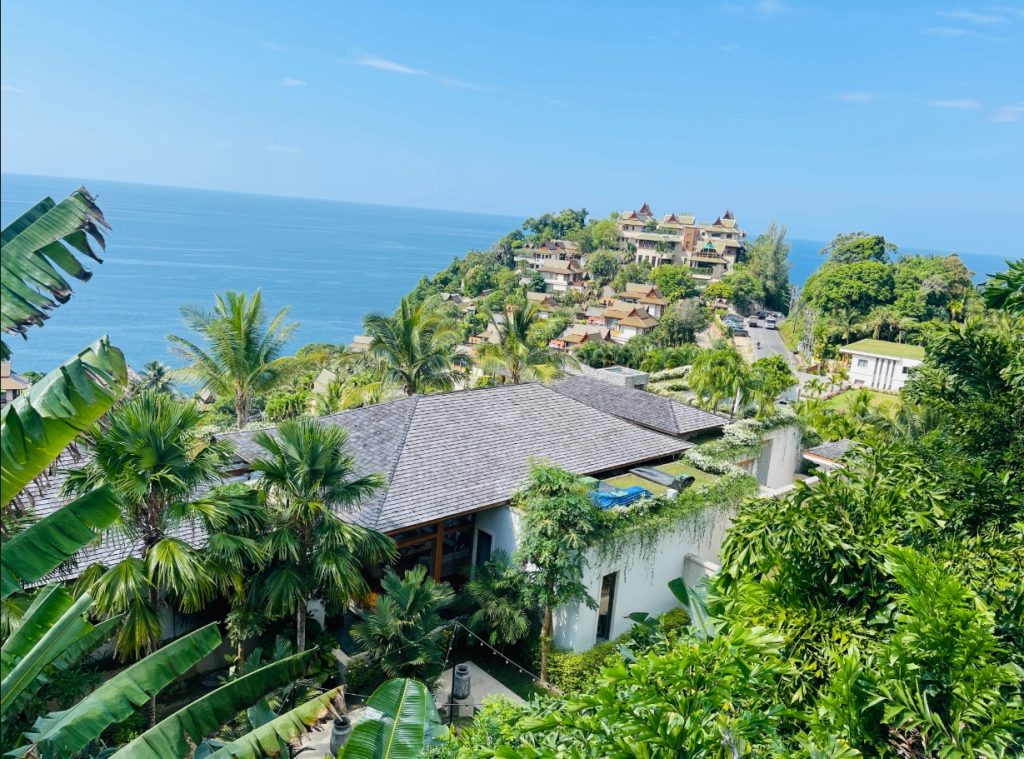
Phuket’s Airbnb market has come roaring back post-COVID. In 2024, average occupancy across the island hovered around 65–75%, with hotspots like Bang Tao, Nai Harn, and Kata pushing higher during high season (Dec–April). But that doesn’t mean every villa performs equally.
💰 What You Can Realistically Earn
Let’s say you’re buying a 2-bedroom off-plan villa in Rawai or Chalong for 9 million THB (~$250,000 USD).
Here’s what a solid year might look like with a decent manager:
| Metric | Estimate |
| Nightly rate (avg) | 4,000–6,000 THB ($110–$165 USD) |
| Occupancy (annual avg) | 60–70% |
| Gross revenue (before costs) | $24,000–$40,000 USD |
| Net yield (after mgmt/fees) | 4–6% |
These numbers assume the villa is well-located, nicely furnished, and well-managed. If it’s not — or if you’re in an oversupplied area — those returns can drop fast.
🎯 Factors That Really Matter for Airbnb Success:
- Location: Proximity to beaches, cafes, and tourist-friendly areas like Nai Harn or Bang Tao makes a huge difference. Inland or isolated villas tend to struggle.
- Design & photos: Guests shop visually. Villas with strong aesthetics and pro-level photography tend to outperform.
- Management: This is make or break. A good manager can boost occupancy by 20%+, while a bad one can tank your listing.
Bottom line?
Yes — off-the-plan villas can work well for Airbnb. But don’t rely on brochure promises or projected yields alone. Look at similar listings in the same area. Talk to managers. Check recent AirDNA or OTA stats. And ask yourself: Would I book this place?
📊 Cite data from AirDNA, local property managers, or OTA dashboards
What Makes a Villa Airbnb-Ready?
Not every new villa is Airbnb gold — even if it has a pool and a glossy “investment-ready” label in the brochure. If you’re aiming for short-term rentals, the villa needs to function like a guest-first space, not just a property you’d be proud to own.
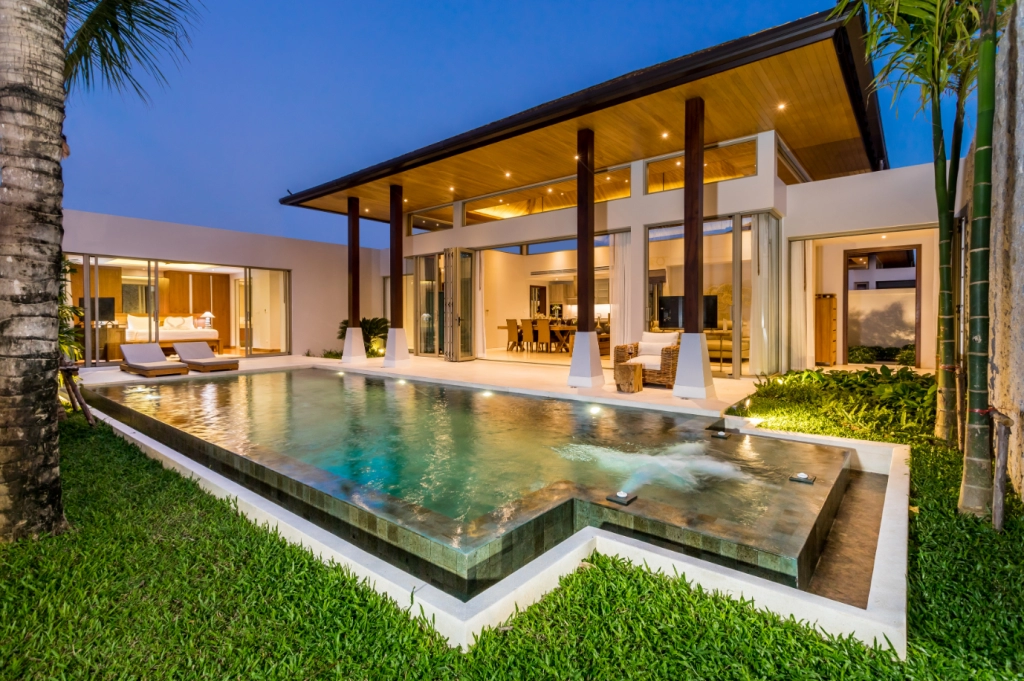
Here’s what really separates high-performing rentals from the ones that sit empty.
✅ Layout & Livability
There’s no one right answer — but there is a right question:
What’s in demand in your area, and what’s missing?
- If your target zone is full of four-bedroom villas with high occupancy, then that may be where the returns are.
- But if everything nearby is built for groups and no one’s offering a clean, stylish 1-bed villa for couples, maybe you’re better off building two of those instead — and doubling your ROI.
It’s not just about room count. It’s about booking behavior, local gaps, and what you can offer that stands out.
✅ Guest-First Features That Matter
- Open-plan living with pool visibility – people book with their eyes, and the pool is the star of the show.
- Fast, reliable Wi-Fi – no explanation needed.
- Self check-in – guests want convenience; hosts want fewer headaches.
- Walkable location or easy access – dodgy roads and 10-minute scooter rides to the minimart = lost stars.
🖼️ Make It Sexy. Make It Memorable.
People book based on photos and reviews. End of story.
If your space isn’t visually striking online, it won’t stand out in a sea of listings. So make sure it:
- Looks bright, spacious, and inviting in photos
- Has a few bold or unique touches — lighting, art, color, a swing chair by the pool, anything that says “this place is different”
- Has natural light and a layout that flows — nothing awkward, dark, or cramped
Think: “Would I screenshot this to show a friend?” If the answer’s no, rethink the design.
Tip: Before buying (or building), spend 30 minutes on Airbnb in your area. Look at what’s booked, what’s vacant, and what’s getting five-star reviews. That’s your real market research.
Ownership & Licensing: What You Need to Know
This is the part most brochures gloss over — but it matters. If you’re buying a villa in Thailand with the intention to rent it on Airbnb or Booking.com, you need to understand how ownership and licensing actually work. Because what’s common doesn’t always mean it’s legal — and that difference can bite you later.
🏡 Foreign Ownership 101 (For Villas)
- Freehold land is off-limits to foreigners. So almost all off-the-plan villas are sold leasehold — typically for 30 years, with built-in extension options that can bring it to 90.
- Some buyers go the Thai company route, where the land is held by a company you control. It’s not illegal, but it’s more complex — and you’ll want proper legal advice and annual maintenance of the structure.
- For most hands-off investors, leasehold is the cleanest and safest route — and it’s also the industry norm.
In fact, some of the most established villa developers in Phuket — like Botanica and Anchan — sell leaseholds to 90% of their foreign clients. Not because they have to, but because it’s the only structure they feel can reliably support and protect their clients’ investments in the long term.
🏨 Short-Term Rental Licensing
Here’s where it gets grey:
- Private villas aren’t legally allowed to operate like hotels unless they have a hotel license — which most small villa projects don’t.
- The workaround? Rent for 30 days+, or partner with a licensed hotel operator who covers your unit under their license.
- That said, Airbnb-style villa rentals are everywhere in Phuket. Enforcement is spotty, but not nonexistent.
🛑 Risks & Realities
- If the villa isn’t properly zoned or permitted, you might not be allowed to rent it at all.
- If a neighbor complains or you run into a regulatory crackdown, you could be forced to stop renting — or adapt your strategy quickly.
- Some developers will shrug and say “everyone does it.” That’s not a plan. It’s a risk you need to manage consciously.
Tip: If short-term income is central to your plan, work with developers or managers who:
- Have a clear operational or licensing model in place
- Can show working examples of similar villas in the same zone
- Understand the legal landscape — and don’t just hand-wave it away
5. The Reality of “Hands-Off” Management
If you’ve spent any time talking to developers or agents, you’ve probably heard the same pitch:
“We take care of everything — cleaning, bookings, check-ins — and you’ll earn 6–10% net return without lifting a finger.”
Sounds great. But here’s the truth: hands-off doesn’t mean stress-free. And that “guaranteed return” often comes with fine print.
💸 What’s Actually Included?
Most management packages include:
- Listing your villa on Airbnb/Booking.com
- Handling inquiries, check-ins, and cleaning
- Basic maintenance and guest support
But they usually don’t include:
- Pool chemicals and servicing
- Linen replacement (gets expensive fast)
- Utility bills
- Annual deep cleaning or restocking
- Marketing beyond a basic listing
And those 6–10% “net” returns? They’re possible — but only if the villa is well-located, well-designed, and well-managed. Many owners end up closer to 3–5%, especially in year one.
🤝 The Manager Matters
Your rental manager is your front line. They control:
- How fast your listing gets booked
- How well guests are handled
- How clean and cared-for your villa stays
A good manager protects your reviews, occupancy, and bottom line. A bad one kills them all.
✅ Questions to Ask Before You Sign With a Manager
- Who takes the photos and writes the listing?
- Do I get monthly reports and a clear breakdown of earnings and costs?
- How many other villas do you manage — and are they in the same area?
- How do you handle maintenance issues and guest complaints?
- Can I see example reviews from similar listings you run?
Tip: Don’t just go with the developer’s in-house team because it’s easy. Sometimes they’re great. Sometimes they’re just the default. Ask around. Check reviews. Look at real listings they manage. You’ll learn a lot from what guests are saying — and how the hosts respond.
We’ll be reviewing and comparing some of Phuket’s top local property managers in the not-too-distant future.
👉 Sign up to the newsletter or reach out if you’d like the shortlist when it drops.
Red Flags to Watch Before You Buy
Phuket’s villa market is full of opportunity — but also full of repetition. A lot of projects look the same, are priced the same, and make the same promises. If you’re not careful, it’s easy to end up with something that looks good on paper but underperforms in real life.
Here are a few things to look out for before you commit:
🚩 Oversupply in Certain Areas
Places like Rawai and Chalong are popular — but becoming more saturated. If there are dozens of near-identical villas within a 1km radius, you’re entering a price war every high season. Look for unique positioning, walkability, or better access than the pack.
Think what will make my villa stand out when people are shopping on Airbnb?
🚩 Unrealistic Yield Promises
If someone’s promising 10–12% net return, ask for hard numbers:
- Rental history
- Average occupancy
- What’s included in “net”
If they can’t show you comparable results from existing villas — proceed with caution.
🚩 Poor Access or Flood Zones
A great villa down a terrible road is a bad experience.
And if it floods during rainy season, that’s game over.
Always ask:
- Is the road public or private?
- Who maintains it?
- Is the land in a flood-prone zone?
🚩 No Show Unit, Vague Timeline
Some developers pre-sell with no sample villa or model — just renderings and a “trust us.” That might be fine with a reputable group, but not with a first-time builder or a project with zero track record. Ask to see something physical — even if it’s from a past project.
🚩 Mandatory Furniture Packages (Low Quality, High Price)
Many off-plan villa projects require you to buy their furniture package to join the rental program. That’s fine if it’s good value. But too often, it’s overpriced and underwhelming — think cheap particle board at premium markups.
Tip: If a deal feels too easy or too perfect, zoom in. What are they not showing you? Ask uncomfortable questions early — it’s cheaper than learning the hard way later.
When Off-the-Plan Villas Do Make Sense
After all the cautions and caveats, you might be wondering — so is this even a good idea?
The answer is: sometimes, yes. Off-the-plan villas can absolutely work as Airbnb investments. But the wins come when you’re clear about what you want, realistic about what the market offers, and smart about how you buy.
Here’s when this model makes the most sense:
🏡 You Want Part-Time Use + Income
If you plan to spend part of the year in Phuket and rent the place out while you’re away, a modern off-plan villa in the right location can be the best of both worlds. You get a low-maintenance home with income potential — and if it’s managed properly, it can cover costs or even turn a tidy profit.
📍 You’re Buying in a High-Demand Area
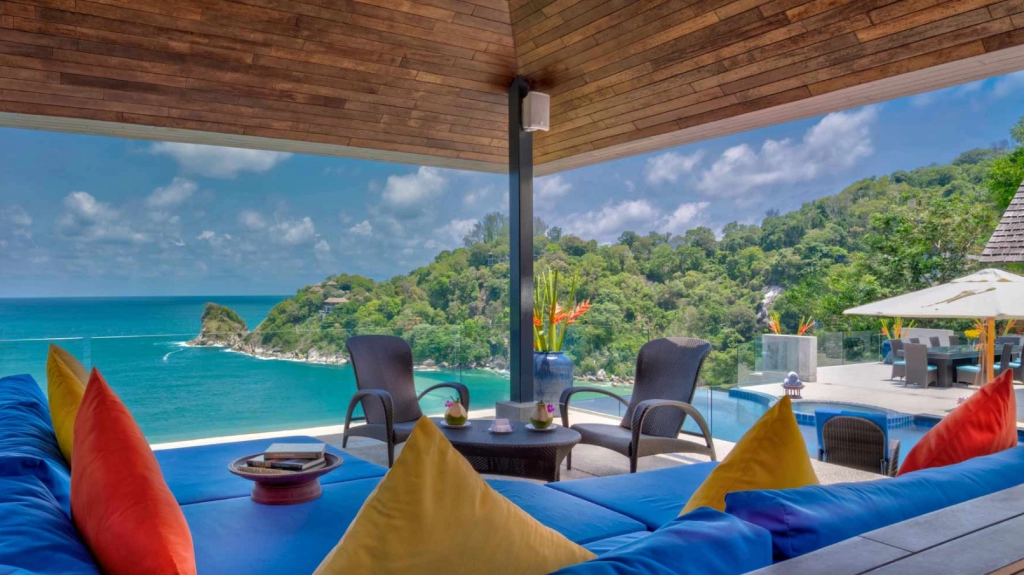
If you’re near Nai Harn, Bang Tao, Surin, or anywhere walkable to cafes, the beach, or gyms — you’ve got a good shot at strong year-round occupancy. Off-plan makes sense when you’re early into a well-zoned, high-traffic location, not just chasing price per square meter.
🛠️ You’re Working With a Known Developer or Good Team
Track record matters. If the developer has delivered similar villas before — on time, on spec, and with positive feedback — you’re reducing a lot of risk. Same goes for working with your own lawyer, your own inspector, and your own property manager — not just the “bundled solution.”
💸 You’re Playing the Long Game
If your plan is to buy, furnish well, rent, and hold, then off-plan can be a smart move — especially if you buy early in a project and ride the price up as demand grows. It’s not a quick flip, but it can be a strong long-term asset with both lifestyle and income upside.
Bottom line?
Off-the-plan villas are not “set and forget” investments. But if you go in with clear eyes, a great team, and the right villa in the right location — they can absolutely work.
Conclusion: Smart Move or Shiny Trap?
Off-the-plan villas in Phuket have serious appeal — new builds, clean design, and the promise of Airbnb income in one of the most visited islands in Southeast Asia. And for the right buyer, in the right location, with the right setup? It can absolutely work.
But this isn’t passive income in a box.
It’s a property investment that requires thought, planning, and the right people around you — especially if you’re not here on the ground. You need to understand the legal setup, the true cost of ownership, the licensing reality, and what guests actually want.
So before you sign on the dotted line, ask yourself:
- Is this location in demand?
- Does the layout and design stand out?
- Who’s going to manage it — and do I trust them?
- Do the numbers still make sense after fees, taxes, and wear-and-tear?
If the answers are solid, you might just have a smart lifestyle asset that pays for itself over time.
If they’re not — don’t be afraid to walk away and wait for the right deal.
🛎️ Want a second opinion on a project?
We help buyers assess off-plan villas in Phuket before they commit — including location checks, layout feedback, and rental income sanity checks.
📩 Get in touch for a no-pressure chat or request our free Off-Plan Villa Checklist.
❓ Frequently Asked Questions
1. Can foreigners buy villas in Phuket for Airbnb?
Yes — but not freehold land. Most foreigners buy villas on a 30-year leasehold, often with optional extensions. Many off-the-plan villa developers structure projects specifically for foreign buyers. Just be aware that short-term rentals in villas operate in a legal grey area — not every villa is technically licensed to run like a hotel.
2. What kind of return can I expect from a Phuket villa on Airbnb?
Gross rental yields for well-located villas in Phuket can range from 6–10%, depending on the area, layout, and management quality. Net yields (after fees and costs) are usually 4–6%. Higher returns are possible, but they depend heavily on design, guest reviews, and a strong property manager.
3. Is it better to buy off-the-plan or a completed villa for Airbnb?
It depends. Off-the-plan villas offer lower prices, modern design, and payment plans — but they require more due diligence and time. Completed villas are quicker to list and earn from but may be more expensive or less optimized for short-term rental. The best option is usually the one that fits your strategy, risk tolerance, and timeline.
4. Are Airbnb rentals legal in Phuket?
Airbnb itself is not illegal in Thailand, but short-term rentals in private villas and condos require a hotel license — which most small properties don’t have. That said, many operate under the radar, rent for 30+ days, or work with licensed partners. Enforcement is inconsistent, but owners should understand the risks.
5. How do I find a good property manager in Phuket?
Ask for referrals, read reviews on Airbnb listings they manage, and request a breakdown of what’s included in their service. The best property managers are transparent, responsive, and experienced in your villa’s area. (We’re publishing a full guide to the top Phuket property managers soon — sign up for updates!)

Join The Discussion