

The 2026 nominee crackdown has left many foreign investors wondering if their Phuket property is at risk. This guide cuts through the headlines, explains what has actually changed, and explores the legal ownership options that can help safeguard your investment.
Table of Contents
If you own property in Phuket, chances are the recent headlines have made you pause for a moment. Stories about company raids, nominee shareholders and tighter enforcement have left plenty of foreign owners wondering the same thing: Could my property be at risk?
I’ve had that question come up more than once over the past few months. The good news is that the answer isn’t as simple, or as alarming, as some headlines make it sound.
The 2026 nominee crackdown isn’t aimed at foreign investors who bought property legally. It’s aimed at illegal nominee company structures that have been used to get around Thailand’s foreign ownership rules. There’s a big difference, and understanding that difference could help you make better decisions about your investment.
If you already own a villa, hold property through a Thai company, or you’re thinking about buying in Phuket, now is a good time to understand what has changed and what it means for you. In the next section, we’ll look at what’s actually happened behind the scenes, and why 2026 marks a genuine shift in how Thailand regulates foreign property ownership.
What Actually Changed During Thailand’s 2026 Nominee Crackdown
For years, many foreign investors believed that if the paperwork looked right, everything was fine. A company could be registered, shareholders listed, and property purchased without anyone digging much deeper. That approach worked for a long time, but 2026 changed the rules of the game.
The biggest shift isn’t that Thailand suddenly introduced new restrictions on foreign investment. It’s that authorities have become much better at checking whether a company reflects reality, rather than simply accepting what’s written on paper.
Think of it like applying for a mortgage. In the past, someone might have glanced at the application and approved it if every box was ticked. Today, the bank wants to see your income, your savings, where your money came from, and whether the numbers actually make sense. Thailand’s company registration process has started following a similar path.
One thing many buyers don’t realise is that regulators are no longer asking, “Does this company meet the legal requirements on paper?” They’re asking, “Who really owns it? Who paid for it? And who actually controls it?”
That distinction matters.
Instead of focusing only on shareholder lists, authorities are looking at the full picture. They’re reviewing where investment funds originated, whether Thai shareholders genuinely contributed their own money, who has decision-making power inside the company, and whether the business operates like a real company or simply exists to hold a single property.
The Department of Business Development (DBD) has become the starting point for much of this process. Rather than acting as an office that simply registers companies, it now plays a much more active role in verifying information before and after registrations are approved. If something doesn’t add up, it can trigger a much closer review.
Here’s where things become interesting.
Technology is doing much of the heavy lifting.
Government agencies now use AI-assisted screening systems that compare company records with land ownership, tax information and other government databases. They’re looking for unusual patterns that might suggest a nominee arrangement.
For example, imagine a newly formed company with modest registered capital suddenly buying a luxury villa worth tens of millions of baht. Or a company where the Thai majority shareholders have little financial history that supports such a significant investment. Those kinds of situations don’t automatically mean something is wrong, but they can attract attention because they stand out from normal business activity.
Another major difference in 2026 is how government agencies share information.
In the past, different departments often worked independently. Today, company registrations, land records, tax information, anti-money laundering checks and immigration data can all be cross-referenced much more efficiently. That makes it far harder for questionable ownership structures to stay under the radar for years.
So why has Phuket become one of the main areas under the spotlight?
The answer is fairly straightforward.
Phuket has one of the highest concentrations of foreign-owned investment property in Thailand. Over the past two decades, villas, resorts and landholding companies have become common investment vehicles across the island. That naturally makes Phuket one of the first places authorities look when reviewing older ownership structures. Recent enforcement campaigns have focused on hundreds of companies across the island that displayed characteristics associated with nominee arrangements.
That doesn’t mean every foreign-owned property is under suspicion.
Far from it.
What it does mean is that relying on an old company structure simply because “that’s how everyone used to do it” is no longer a strategy I’d feel comfortable recommending.
The next question, then, is the one most investors really care about.
If nominee companies are under greater scrutiny, can foreigners still buy property in Phuket safely?

Can Foreigners Still Buy Property in Phuket?
Yes, absolutely.
This is probably the biggest misconception I’ve seen since news of the 2026 nominee crackdown started making headlines. Some investors assumed Thailand had closed the door on foreign property ownership altogether.
That’s simply not the case.
Foreigners can still invest in Phuket. They can still own property through legal, well-established ownership structures. What has changed is the government’s attitude towards arrangements that were designed to get around Thailand’s foreign ownership laws, particularly nominee companies where Thai shareholders existed only on paper.
It’s an important distinction.
Thailand isn’t trying to discourage foreign investment. In fact, foreign buyers remain an important part of Phuket’s property market. What regulators want is greater transparency. They want ownership structures that genuinely reflect who invested the money, who controls the asset, and whether the arrangement complies with Thai law.
I’ve noticed that buyers who take the time to understand their options usually feel far more confident about investing. Instead of chasing shortcuts, they choose structures that are recognised, predictable and built to last.
Fortunately, there are several of those options.
One of the most straightforward is foreign freehold condominium ownership. Foreign buyers can legally own condominium units outright, provided the development still has space within its foreign ownership quota. For many investors, it’s the simplest path to direct ownership.
For villas and houses, registered leaseholds remain a popular option. While a lease doesn’t give you ownership of the land itself, it can provide long-term security when it’s properly structured and registered.
You’ll also hear lawyers talk about a right of superficies. It sounds technical, but the idea is actually quite practical. It allows ownership of the building to be separated from ownership of the land, giving foreign buyers an additional layer of legal protection in the right circumstances.
Then there are genuine Thai joint ventures. These are very different from nominee companies. A legitimate joint venture involves real Thai business partners contributing their own capital, sharing decision-making, and operating as an actual business rather than existing solely to hold property.
Each of these structures has its own advantages, limitations and ideal use cases. There isn’t a one-size-fits-all solution, which is why choosing the right structure depends on your goals, whether you’re buying a holiday home, building a rental portfolio, or planning to live in Phuket long term.
Before we compare those options, it’s worth asking another important question.
Who actually needs to worry about the 2026 crackdown, and who is probably in a much safer position than they think?
Who Should Be Most Concerned?
It’s easy to assume every foreign property owner in Phuket is suddenly at risk.
I don’t think that’s a helpful way to look at it.
From what we’re seeing, regulators aren’t casting a wide net and hoping to catch everyone. They’re looking for ownership structures that raise obvious questions. Most of those questions revolve around one thing: does the company reflect a genuine business arrangement, or was it created simply to bypass foreign ownership rules?
That means some owners have more reason to review their situation than others.
Property Owners Using an Old Thai Company Structure
If you bought a villa ten or fifteen years ago through a Thai limited company, you’re certainly not alone. This was a common recommendation at the time, and many buyers genuinely believed they were following accepted practice.
The world has changed since then.
One thing many buyers don’t realise is that a structure that attracted little attention years ago may be viewed very differently today. Authorities now have access to far more information than they did when many of these companies were first established.
That doesn’t automatically make older company structures problematic.
It simply means they’re worth reviewing to make sure they still stand up to today’s level of scrutiny.
These are the kinds of situations that deserve a closer review.
Companies with Thai Shareholders Who Didn’t Make a Genuine Investment
One area receiving increasing attention is the role of Thai majority shareholders.
If those shareholders genuinely invested their own money, actively participate in the company and understand their responsibilities, that’s very different from someone whose name was added purely to satisfy legal requirements.
Imagine buying a business with three partners, but only one person contributed money, made every decision and received all the benefits. Most people would question whether the other partners were really partners at all.
That’s the sort of picture regulators are trying to understand.
Again, this isn’t about making assumptions. It’s about whether the ownership arrangement reflects commercial reality.
These are the kinds of situations that deserve a closer review.
Companies That Exist Only to Hold One Villa
I’ve seen plenty of companies that have no employees, no trading activity and no purpose beyond owning a single property.
Years ago, that wasn’t unusual.
Today, it naturally attracts more attention.
A genuine operating company usually leaves a trail. It generates revenue, files tax returns, pays expenses and carries on business activity. A company that exists only to hold one luxury villa can invite questions about why that structure was chosen in the first place.
That doesn’t mean it’s automatically non-compliant.
It simply means regulators may want to understand the commercial purpose behind it.
These are the kinds of situations that deserve a closer review.
Foreign Owners Who Control Every Decision
Ownership isn’t just about whose name appears on a share register.
Control matters too.
If one foreign shareholder effectively makes every decision, signs every document, controls company finances and directs every aspect of the business while Thai shareholders play no meaningful role, authorities may look more closely at whether the legal structure reflects what happens in practice.
Think about it this way.
If someone tells you they’re one of five business partners, but they’re the only person who has access to the bank account, signs contracts and decides how profits are distributed, you’d probably question whether the other four partners have any real involvement.
Regulators ask similar questions.
These are the kinds of situations that deserve a closer review.
Investors Who Have Never Reviewed Their Structure
Perhaps the biggest group isn’t people who knowingly took shortcuts.
It’s people who simply haven’t looked at their ownership structure in years.
I’ve spoken to investors who purchased property a decade ago and haven’t thought about their company since the day they signed the documents. Directors change. Regulations evolve. Expectations shift.
What was considered acceptable advice in 2014 isn’t necessarily the advice a specialist property lawyer would give today.
A periodic legal review isn’t about expecting problems.
It’s about making sure your investment continues to match today’s regulatory environment instead of yesterday’s.
Sometimes the review confirms everything is in good order.
Sometimes it highlights opportunities to strengthen your position before questions are ever asked.
A Quick Self-Assessment
If you answer yes to any of the questions below, it may be worth arranging an independent legal review of your ownership structure.
- □ Does your Thai company exist solely to own one property?
- □ Have you never reviewed your ownership structure since purchasing the property?
- □ Are you unsure how your Thai shareholders originally funded their investment?
- □ Does one person effectively control every major company decision?
- □ Would you struggle to explain why your current ownership structure was chosen?
- □ Have there been changes to directors or shareholders over the years without a recent legal review?
- □ Are you relying on advice that was given many years ago without checking whether it still reflects current regulations?
Checking these boxes doesn’t mean you’ve done anything wrong.
It simply suggests your ownership structure deserves a fresh look. In many cases, reviewing your position now is far easier, and far less stressful, than trying to answer questions after an investigation has already begun.

How Authorities Identify High Risk Companies
One question I hear quite often is, “How would anyone even know how my company is set up?”
A few years ago, that was a fair question.
Today, the answer is much simpler than many people realise.
Authorities don’t rely on one department looking at one document anymore. Instead, different government agencies can compare information from company registrations, land ownership records, tax filings and other official databases. When all those pieces are viewed together, it’s much easier to spot arrangements that deserve a closer look.
Think of it like putting together a jigsaw puzzle.
A single piece doesn’t tell you very much. But once enough pieces are connected, the bigger picture becomes clear.
That’s essentially what regulators are doing.
AI Helps Find Patterns, Not Make Decisions
The mention of artificial intelligence can sound intimidating, but it’s worth understanding what it’s actually doing.
The AI isn’t deciding whether a company has broken the law.
Instead, it works like a very fast accountant.
It scans thousands of company records looking for unusual combinations of information that don’t quite fit together. Rather than reading every file manually, investigators can focus their attention on companies that display multiple warning signs.
For example, imagine two property companies.
Both own a luxury villa.
On paper, they look similar.
But one has active financial records, genuine shareholders, tax filings and ongoing business activity.
The other has very little commercial history, no obvious source of investment funds and ownership arrangements that raise questions.
The second company is naturally more likely to receive additional attention.
It’s About Patterns, Not One Single Red Flag
One thing many buyers don’t realise is that regulators rarely focus on one issue in isolation.
Owning property through a Thai company doesn’t automatically make a company suspicious.
Neither does having foreign shareholders.
Instead, authorities look for a combination of factors that together suggest the ownership structure may deserve further investigation.
That’s a very different approach from simply checking whether the paperwork has been completed correctly.
Low Risk vs Higher Risk Indicators
| Lower Risk Characteristics | Higher Risk Characteristics |
| Thai shareholders can demonstrate they invested their own funds. | Thai shareholders struggle to show where their investment money came from. |
| The company operates a genuine business with regular commercial activity. | The company exists solely to own one property. |
| Company decisions are shared according to ownership. | One foreign individual appears to control every major decision. |
| Financial records, tax filings and company activities are consistent. | Financial information doesn’t match the scale of the property investment. |
| Property purchases match the company’s financial capacity. | A relatively small company owns high-value assets without a clear funding trail. |
| Company records have been properly maintained over time. | Frequent ownership or director changes raise questions about the company’s purpose. |
These aren’t hard rules.
They’re simply the kinds of patterns that may encourage regulators to ask more questions.
Can Shareholders Explain Where Their Money Came From?
One of the biggest changes in recent years is the focus on funding.
Authorities increasingly want to understand whether shareholders genuinely invested their own money or whether someone else provided the funds behind the scenes.
If the financial history supports the investment, that’s generally a positive sign.
If the numbers don’t make sense, the company may receive additional scrutiny.
Does the Company Operate Like a Real Business?
I’ve noticed many older property companies have little activity beyond owning a villa.
That wasn’t uncommon in the past.
Today, regulators may ask a simple question.
“What does this company actually do?”
A business with customers, revenue, tax filings and ongoing operations usually presents a much clearer commercial purpose than one that exists only to hold a single property.
Who Really Makes the Decisions?
Ownership isn’t only about percentages on a shareholder register.
It’s also about who has practical control.
If board decisions, banking authority and day-to-day management are shared in a way that reflects the company’s ownership, that generally appears more consistent with a genuine business.
If one individual appears to make every important decision while everyone else remains passive, that may invite closer examination.
Do the Numbers Tell a Logical Story?
Another area regulators compare is the relationship between the company’s finances and the property it owns.
Imagine a company with relatively modest financial resources purchasing a luxury beachfront villa worth many times its apparent capacity.
That doesn’t automatically prove anything.
But it does create questions that investigators may want answered.
Why This Matters
The biggest takeaway isn’t that authorities have become stricter.
It’s that they’ve become better connected.
A company that might once have slipped through because different agencies worked independently can now be viewed from several angles at once. Company records, land ownership, tax information and financial history are no longer isolated pieces of information. Together, they create a much clearer picture of how an investment has been structured.
So what happens if your company ends up on that radar?
That’s exactly what we’ll look at next.
What Happens If Your Company Is Flagged?
Hearing that a company has been “flagged” can sound alarming, but it’s worth putting that into perspective.
Being flagged doesn’t automatically mean you’ve broken the law.
In many cases, it simply means regulators want to understand the ownership structure in more detail. Think of it as moving from an automated review to a manual one. The questions become more detailed, and you’ll usually need to provide documents that explain how the company was established and how it has been operating.
For owners with well-documented, compliant structures, this may simply be an administrative process. For others, it can uncover issues that have gone unnoticed for years.
Let’s look at what that process can involve.
A Closer Look at Your Company
The first step is usually a closer examination of the company itself.
Authorities may review shareholder records, company filings, director appointments and the history of ownership changes. They may also want to understand how the original investment was funded and whether the company’s day-to-day operations match its stated purpose.
One thing many buyers don’t realise is that regulators aren’t just reading the latest documents. They may look at how the company has evolved over time and whether that history tells a consistent story.
That doesn’t mean every unusual detail is a problem.
It simply means the company may need to explain why it has been structured the way it has.
Tax Reviews Can Follow
If questions arise about the ownership structure, it’s not unusual for tax authorities to take an interest as well.
This doesn’t necessarily mean anyone suspects tax evasion.
Rather, they’ll want to confirm that the company’s financial records reflect its actual activities.
For example, they may review rental income, declared expenses, shareholder loans or other financial transactions to ensure everything has been reported correctly.
If mistakes are found, the outcome may involve additional taxes, interest or administrative penalties rather than anything more serious.
Property Ownership May Come Under Review
If investigators believe a property is being held through a structure that doesn’t comply with Thai law, the ownership arrangement itself may be examined.
That doesn’t mean authorities immediately seize property.
There is generally a legal process that allows matters to be investigated and, where necessary, addressed through the appropriate channels.
Depending on the circumstances, this could include restructuring the ownership, transferring the property into a compliant legal structure, or in more serious cases, requiring the property to be sold in accordance with Thai law.
Every case is different, which is why obtaining independent legal advice early can make a significant difference.
Immigration Consequences Can Follow Serious Cases
For foreign investors living in Thailand, company matters don’t always remain separate from immigration.
Where authorities conclude that serious violations have occurred, immigration authorities may also become involved.
In the most significant cases, this could affect visa status or future eligibility to remain in Thailand.
It’s important to stress that these outcomes are generally associated with confirmed breaches of the law, not simply because a company has been selected for review.
Criminal Liability Exists, But It’s Reserved for Serious Misconduct
This is probably the part that attracts the most attention in media reports.
Yes, Thai law includes criminal penalties for people who deliberately create or use illegal nominee arrangements to bypass foreign ownership restrictions.
Those penalties can apply to both foreign nationals and Thai individuals who knowingly participate in unlawful nominee structures. Depending on the circumstances, they may include fines and imprisonment.
That said, it’s important not to jump to conclusions.
There’s a clear difference between someone who intentionally established an unlawful arrangement and someone who purchased property years ago based on professional advice that may no longer reflect today’s regulatory expectations.
Every situation depends on its own facts.
Why Acting Early Makes Sense
I’ve found that the investors who sleep best at night aren’t necessarily the ones with the most expensive properties.
They’re the ones who understand exactly how their property is owned.
If you’re confident your ownership structure is compliant, having your documents organised simply makes any future questions easier to answer.
If you’re not entirely sure how your company was set up, or you’ve inherited an older structure without reviewing it recently, this is a good opportunity to seek independent advice before anyone else starts asking questions.
In many cases, reviewing your position proactively gives you far more options than waiting until regulators come knocking.
The good news is that there are practical steps you can take today to reduce uncertainty and strengthen your position, which is exactly where we’ll turn next.
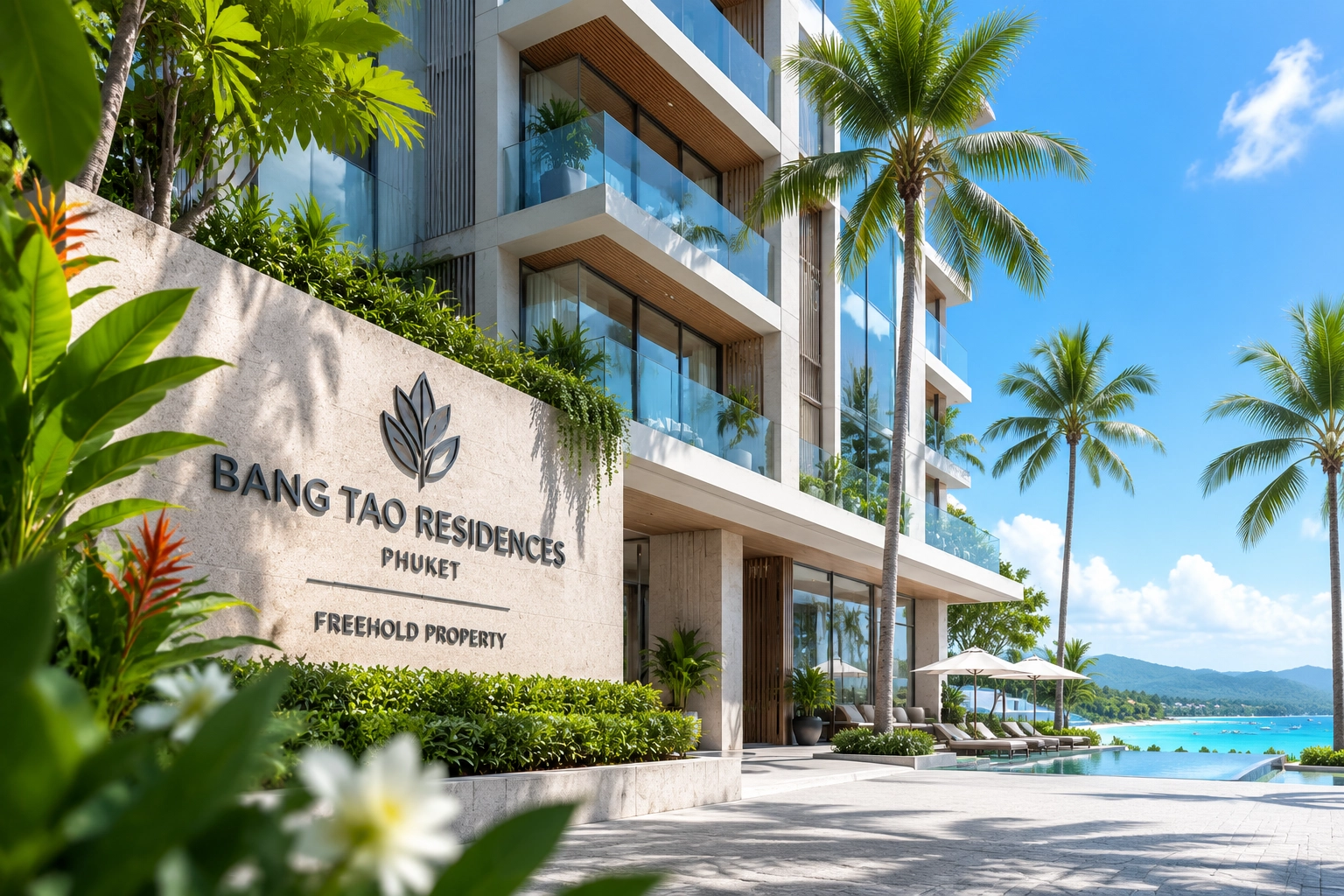
How to Protect Your Phuket Property Today
If you’ve made it this far, you might be wondering whether you should be doing something right now.
In many cases, the answer is yes.
That doesn’t mean rushing into major changes or assuming your current structure is wrong. It means taking a sensible, proactive approach. The investors who are in the strongest position today aren’t necessarily the ones with the newest properties or the biggest portfolios. They’re the ones who understand exactly how their assets are held and can demonstrate that everything has been structured properly.
Here are the steps I’d be taking.
Review How Your Property Is Owned
Start with the basics.
If someone asked you to explain exactly how you own your Phuket property, could you do it confidently?
You should know whether your investment sits under a Thai company, a registered leasehold, a foreign freehold condominium, or another legal structure. Just as importantly, you should understand why that structure was chosen.
I’ve met investors who own properties worth tens of millions of baht but couldn’t tell me who their company shareholders were or what rights those shareholders actually had.
That’s a position worth fixing.
Even if everything is perfectly compliant, understanding your ownership structure gives you confidence and makes future decisions much easier.
Pause Any Unnecessary Company Changes
If your property is held through a Thai company, now probably isn’t the time to make changes without understanding the consequences.
Changing directors, transferring shares or restructuring ownership might seem like routine administration, but some corporate changes naturally receive greater regulatory attention than they did in the past.
That doesn’t mean you should avoid making legitimate changes.
It simply means every change should have a clear commercial reason and be reviewed carefully before paperwork is submitted.
I’ve noticed that people sometimes panic after reading the news and immediately start changing shareholders or directors because they think they’re “fixing” the problem.
In reality, rushed decisions often create more questions than they solve.
Take a step back first.
Understand the situation before making any moves.
Work With an Independent Property Lawyer
This may be the most valuable advice in this article.
If your company was established many years ago, consider speaking with a lawyer who had nothing to do with creating it.
Why?
Because an independent professional brings a fresh perspective.
Their job isn’t to defend decisions made in the past. Their job is to assess whether your ownership structure still makes sense under today’s regulatory environment.
A good property lawyer should be able to explain your options in plain English, identify potential weaknesses and recommend practical solutions where needed.
You don’t need someone who promises shortcuts.
You need someone who understands compliance.
Audit Your Documents Before Anyone Else Does
Good record keeping has become far more important than many investors realise.
If regulators ever ask questions, you’ll want to have clear documentation rather than trying to reconstruct events from ten years ago.
Your review should include documents such as:
- Shareholder records
- Company registration documents
- Director appointments
- Share transfer history
- Property purchase agreements
- Land Office registrations
- Evidence showing how investment funds were provided
- Company financial and tax records, where applicable
You’re not collecting paperwork for the sake of it.
You’re making sure the documents tell one consistent story.
If there are gaps or inconsistencies, it’s far better to identify them yourself than have someone else point them out first.
Consider Restructuring if Your Current Setup No Longer Fits
Not every older ownership structure needs to be replaced.
But some do deserve a serious review.
If an independent legal assessment suggests your current arrangement no longer reflects today’s regulatory expectations, restructuring may be worth considering before any official questions arise.
That doesn’t necessarily mean selling your property.
It may involve moving from an outdated company structure into a legally recognised ownership model that’s more appropriate for your circumstances.
The right solution depends on your investment goals.
Someone buying a holiday villa will have different priorities from someone running a genuine hospitality business or building a long-term property portfolio.
This is why there isn’t one perfect ownership structure for everyone.
There is, however, a structure that’s most appropriate for your particular situation.
Think Long Term, Not Just About Today’s Rules
Property ownership isn’t static.
Laws evolve. Markets change. Your own plans may change too.
One thing many buyers don’t consider is whether their ownership structure will still work ten or twenty years from now.
Can it be passed on to family?
Will it make selling easier?
Does it support your long-term investment strategy?
These are the kinds of questions worth asking while you still have plenty of options.
Good planning isn’t about reacting to today’s headlines.
It’s about building an ownership structure that remains strong even as regulations continue to evolve.
Your Phuket Property Protection Checklist
Before you make any decisions, work through this simple checklist.
- □ Do I fully understand how my property is legally owned?
- □ Have I reviewed my ownership structure within the past few years?
- □ Do I know who my shareholders or legal partners are and why they were chosen?
- □ Are all company records, tax filings and ownership documents up to date?
- □ Have I avoided making unnecessary company changes without legal advice?
- □ Have I spoken with an independent property lawyer rather than relying on old advice?
- □ Would I be comfortable explaining my ownership structure if asked by regulators?
- □ Have I considered whether a different ownership structure would better protect my investment in the future?
If you can confidently tick every box, you’re already in a much stronger position than many investors.
If not, don’t panic.
The important thing is to start asking the right questions now, while you still have time to review your options carefully.
Next, we’ll look at the ownership structures that continue to offer foreign investors a clear and compliant path into Phuket’s property market.
The Safest Ownership Structures Available in 2026
One of the biggest myths I hear is that foreigners can no longer buy property safely in Thailand.
That’s simply not true.
What has changed is how you should structure the purchase.
There isn’t one ownership model that’s perfect for everyone. The right choice depends on what you’re buying, how long you plan to keep it, whether you intend to rent it out, and what you’d like to happen to the property in the future.
Let’s look at the main options available today.
Foreign Freehold Condominiums
For many overseas buyers, this remains the simplest and most secure way to own property in Thailand.
A foreign freehold condominium allows you to own your unit outright in your own name. The land beneath the building remains collectively owned under the condominium structure, but your apartment is legally yours.
The only major restriction is the foreign ownership quota. By law, foreign buyers can collectively own up to 49% of the saleable floor area within a condominium development. Once that quota is full, additional foreign buyers generally need to wait until another foreign-owned unit is sold or consider a different ownership structure.
Best for
- Holiday homes
- Rental investment apartments
- Retirement properties
- Buyers wanting direct ownership
Advantages
- Direct ownership in your own name
- Well-established legal framework
- Straightforward resale process
- Easier inheritance planning
- Generally accepted by banks as loan security
Things to consider
- Only available for condominiums
- Foreign quota may already be full in popular developments
- Purchase funds must follow Thailand’s foreign currency transfer requirements
A common misunderstanding
Some buyers assume every condominium unit can be sold as foreign freehold.
That’s not always the case.
Even in luxury developments around Bang Tao or Kamala, the foreign quota may already be full. That’s why confirming availability before signing a contract is so important.
30-Year Registered Leasehold
If you’re buying a villa or house, a registered leasehold is one of the most common legal options.
Rather than owning the land itself, you register a long-term lease over it.
The lease is recorded at the Land Office, giving you legally recognised rights to occupy and use the property for the agreed period.
I’ve noticed some buyers dismiss leaseholds because they hear the word “lease” and immediately think of renting.
That’s not really an accurate comparison.
A properly registered leasehold gives far stronger legal protection than a standard residential tenancy.
Best for
- Private villas
- Holiday homes
- Lifestyle buyers
- Long-term residents
Advantages
- Well recognised under Thai law
- Lower complexity than company ownership
- Predictable legal framework
- Popular across Phuket
Things to consider
- The registered term is limited to 30 years
- Renewal isn’t automatic
- Financing options are generally limited
A common misunderstanding
You’ll often hear people talk about “90-year leaseholds” or “30+30+30”.
In reality, only the initial registered lease enjoys statutory protection. Future renewals depend on new agreements being entered into at the appropriate time rather than being guaranteed decades in advance.
Leasehold Plus Superficies
This combination has become increasingly popular for foreign villa buyers.
At first glance, the word superficies sounds complicated.
The concept isn’t.
Think of it this way.
The lease gives you rights over the land.
The superficies gives you recognised ownership rights over the building sitting on that land.
Separating ownership of the house from the ownership of the land provides an additional layer of legal clarity in situations where foreigners cannot own the land itself.
Best for
- Luxury villas
- Custom-built homes
- Buyers planning long-term occupancy
Advantages
- Widely used by specialist property lawyers
- Clear separation between land and building
- Greater certainty than relying on a lease alone
- Recognised by the Land Office
Things to consider
- Requires proper drafting and registration
- Should always be prepared by experienced legal professionals
- Not every property is suitable
A common misunderstanding
Some buyers think a superficies gives them ownership of the land.
It doesn’t.
It protects ownership of the structure built on that land.
Sap-Ing-Sith
Sap-Ing-Sith is still unfamiliar to many foreign investors, despite being one of Thailand’s newer property rights.
Without becoming too technical, it’s designed to offer stronger rights than a traditional lease in certain situations.
Unlike an ordinary lease, Sap-Ing-Sith can generally be transferred to another person and inherited, making it attractive for some long-term investors.
Best for
- Selected new developments
- Long-term investors
- Buyers considering succession planning
Advantages
- Transferable
- Can pass to heirs
- More flexible than a traditional lease in some situations
Things to consider
- Still relatively uncommon
- Some Land Offices have limited practical experience
- Not widely accepted by lenders
A common misunderstanding
Many people assume Sap-Ing-Sith has replaced leaseholds.
It hasn’t.
It’s simply another legal tool that may suit particular developments or investment strategies.
Usufruct
A usufruct is one of the oldest property rights in Thai law.
It gives someone the legal right to use and enjoy a property owned by another person.
For example, parents sometimes grant a usufruct to a child or spouse so they can continue living in a home for life.
While it’s less common for investment purchases, it can be useful in family arrangements or estate planning.
Best for
- Family property arrangements
- Retirement planning
- Personal occupation
Advantages
- Registered at the Land Office
- Strong legal recognition
- Can last for life or a fixed period
Things to consider
- Usually ends when the holder dies
- Cannot generally be transferred or sold
- Less suitable for investment portfolios
A common misunderstanding
Some buyers think a usufruct creates ownership.
It doesn’t.
It creates a legal right to use the property rather than own it.
Genuine Thai Joint Venture
Despite everything you’ve read about nominee companies, Thai companies haven’t disappeared.
They’re simply expected to operate as genuine businesses.
There’s an important difference.
A compliant joint venture involves real Thai investors contributing their own capital, sharing risk, participating in management and benefiting according to their ownership interests.
That’s very different from appointing Thai shareholders simply to satisfy paperwork while one foreign owner controls everything behind the scenes.
Best for
- Property development
- Hospitality businesses
- Commercial investment
- Long-term operating companies
Advantages
- Can support genuine business activities
- Suitable for larger commercial projects
- Allows Thai and foreign investors to work together legitimately
Things to consider
- Requires genuine Thai partners
- Corporate governance must reflect reality
- Ongoing accounting and compliance obligations
A common misunderstanding
Some people still believe every Thai company is automatically a nominee company.
That’s simply not true.
Thousands of legitimate joint ventures operate successfully throughout Thailand every year.
The key difference is authenticity. The company must function as a real business rather than existing solely to hold property on behalf of a foreign owner.
Comparing Your Main Ownership Options
| Ownership Structure | Best For | Security | Key Limitation | Overall Risk |
| Foreign Freehold Condominium | Condo buyers | Very High | Foreign quota limited to 49% | Very Low |
| 30-Year Registered Leasehold | Villas and holiday homes | High | Maximum registered term of 30 years | Low |
| Leasehold + Superficies | Luxury villas and custom homes | Very High | Requires careful legal drafting | Low |
| Sap-Ing-Sith | Selected developments | High | Limited market adoption | Low |
| Usufruct | Family and retirement planning | Medium | Usually ends with the holder’s lifetime | Low |
| Genuine Thai Joint Venture | Commercial businesses and developments | High when properly structured | Ongoing compliance and genuine Thai participation required | Medium |
The biggest lesson from the 2026 crackdown isn’t that foreign ownership has become impossible.
It’s that choosing the right legal structure has never been more important.
The days of relying on shortcuts are fading. Investors who take the time to understand their options, seek independent advice and choose a structure that genuinely fits their goals are likely to find that Phuket remains one of Southeast Asia’s most attractive property markets.
Can You Still Use a Thai Company?
The short answer is yes.
A Thai limited company is still a perfectly legitimate way to own and operate a business in Thailand. Thousands of them do exactly that every day, from hotels and restaurants to construction firms, property developers and tour operators.
The important part isn’t the company itself.
It’s why the company exists.
That’s where the legal line has become much clearer in 2026.
A Genuine Thai Company Has a Genuine Business Purpose
When I speak with investors, I often ask a simple question.
“If you removed the property from the company, would there still be a business?”
If the answer is yes, that’s usually a good sign.
A genuine company exists to provide products or services, employ staff, generate revenue and make a profit. The property it owns supports that business rather than being the only reason the company exists.
Take a boutique hotel in Phuket as an example.
The company owns the land, operates the hotel, hires employees, pays taxes, accepts bookings and files annual accounts. Thai shareholders contributed their own capital and participate in running the business alongside foreign investors.
That’s a commercial enterprise.
The property is simply one part of a much larger operation.
A Nominee Company Exists for a Different Reason
Now compare that with another example.
A foreign buyer wants to purchase a luxury villa but can’t legally own the land.
A Thai company is established with Thai majority shareholders who contribute little or no independent investment. The foreign buyer provides all the money, controls the bank account, makes every decision and enjoys all of the financial benefits.
The company doesn’t trade.
It has no customers.
No employees.
No meaningful business activity.
Its only purpose is holding that one property.
This is the type of arrangement authorities are increasingly scrutinising because they’re interested in who actually controls the asset, not simply whose names appear on the share register.
The Difference Is Substance, Not Paperwork
One thing many buyers don’t realise is that two companies can look almost identical at first glance.
Both might have the same number of shareholders.
Both may have properly filed registration documents.
Both may even own similar properties.
The difference lies beneath the paperwork.
Who funded the company?
Who makes the decisions?
Who receives the profits?
Who carries the commercial risk?
Those are the questions regulators increasingly ask because they reveal whether the ownership structure reflects reality.
Real Business vs Nominee Arrangement
| Genuine Commercial Business | Illegal Nominee Arrangement |
| Operates an active business with customers or clients | Exists mainly to hold one property |
| Thai shareholders invest their own money | Thai shareholders are shareholders in name only |
| Directors actively manage the business | One foreign individual controls everything |
| Revenue, expenses and taxes reflect real operations | Little or no genuine commercial activity |
| Profits are shared according to ownership | Financial benefits flow almost entirely to one foreign owner |
Of course, every company is different.
This isn’t a checklist that automatically determines whether a structure is compliant.
It’s a practical way to understand the characteristics that separate a genuine business from one that may attract closer attention.
Not Every Property Company Is a Nominee Company
This is another area where headlines can create unnecessary anxiety.
Some readers assume that because authorities are investigating nominee companies, every property company owned by foreigners must now be problematic.
That’s simply not true.
Many developers, hospitality businesses and investment companies operate through Thai companies because they are carrying on genuine commercial activities. They employ people, generate income and contribute to the local economy.
Those businesses aren’t being targeted simply because foreigners are involved.
The focus is on structures where the paperwork tells one story but the reality tells another.
Ask Yourself One Simple Question
If regulators wanted to understand how your company operates, could you clearly explain it?
Could you describe why the company was established?
Could your shareholders explain their role?
Could the financial records support the ownership structure?
If the answer is yes, you’re already approaching your investment the right way.
If you’re unsure, that’s not necessarily a sign something is wrong.
It may simply mean it’s time for an independent review to confirm your structure still reflects today’s regulatory expectations.
The goal isn’t to avoid using Thai companies.
The goal is to ensure they’re being used for the reasons they were designed for: running genuine businesses, not replacing legal property ownership structures where those structures already exist.
Mistakes Foreign Buyers Still Make
The 2026 nominee crackdown has changed how many investors think about property ownership in Thailand.
But here’s something I’ve noticed.
Most of the problems don’t begin with bad intentions. They begin with bad advice, outdated assumptions or decisions made in a hurry.
If you’re buying property in Phuket today, avoiding these common mistakes can save you far more than money. It can save years of stress later on.
Trusting the Wrong Advice
Not all property advice carries the same weight.
A developer wants to sell units.
An estate agent wants to close a deal.
A friend may simply be sharing what worked for them ten years ago.
None of those people necessarily understand your personal situation or today’s regulatory environment.
I’ve met buyers who invested millions based on a conversation at a beach club or advice from someone who hadn’t purchased property in years.
That might have worked when the market was less regulated.
Today, it’s a risky way to make a significant investment.
Property law changes.
Government enforcement changes.
The ownership structure that’s suitable for one investor may be completely unsuitable for another.
Practical advice
Treat property advice the same way you’d treat medical advice. Listen to different opinions, but make important decisions based on qualified professionals who specialise in Thai property law.
Copying What Other Investors Did
This catches a lot of investors off guard.
Someone tells you,
“My neighbour owns three villas through a Thai company.”
Or,
“My friend bought exactly this way and never had a problem.”
That sounds reassuring.
But it tells you almost nothing.
You don’t know when they bought.
You don’t know how their company was structured.
You don’t know whether they’ve reviewed it recently.
And you certainly don’t know whether their circumstances match yours.
Following another investor’s ownership structure without understanding why it was chosen is a bit like copying someone’s medication because they seem healthy.
The outcome depends on far more than what you can see.
Practical advice
Use other investors’ experiences as conversation starters, not decision-making tools. Your ownership structure should fit your investment goals, not someone else’s.
Skipping Independent Legal Due Diligence
Buying property isn’t just about finding the right villa.
It’s about understanding exactly what you’re buying.
Too many investors focus on the location, the sea view and the rental projections while spending very little time reviewing the legal side of the transaction.
Ironically, that’s often the part that matters most over the long term.
Independent due diligence can uncover issues that aren’t obvious during a property viewing.
Ownership restrictions.
Foreign quota availability.
Land title issues.
Corporate structures.
Lease registration.
Planning approvals.
These aren’t the exciting parts of buying property.
They’re the parts that protect your investment.
Practical advice
Always appoint your own independent property lawyer. If the lawyer is recommended by the seller, developer or company setting up the ownership structure, consider obtaining a second opinion before committing.
Choosing the Cheapest Company Setup
Everyone likes saving money.
But property ownership isn’t usually the place to look for the lowest quote.
I’ve seen advertisements promising quick company formation for surprisingly low fees.
The paperwork may be completed.
The company may even be registered correctly.
But that’s only one small part of the process.
The real value comes from making sure the ownership structure actually suits your circumstances and complies with current regulations.
Saving a few thousand baht at the beginning can become very expensive if the structure later requires significant legal work to correct.
Practical advice
Choose advisers based on experience, transparency and long-term support rather than the lowest upfront price. A well-structured investment is almost always cheaper than fixing an unsuitable one later.
Assuming Older Structures Are Automatically Safe
This is probably the biggest misconception I come across.
Many owners think,
“I’ve owned this property for fifteen years, so if there was a problem someone would have told me already.”
Unfortunately, that’s not how regulation works.
The reason 2026 feels different is because authorities now have better tools, better data sharing and a much clearer picture of how companies are actually operating.
A structure created years ago isn’t automatically unsafe.
But neither is it automatically compliant simply because it’s existed for a long time.
Good ownership structures should evolve alongside changing regulations.
Practical advice
Arrange a periodic legal review, especially if your company was established several years ago. Even if no changes are needed, you’ll gain peace of mind by knowing your investment has been assessed against today’s rules rather than yesterday’s.
Treating Property Ownership as “Set and Forget”
Buying a property isn’t the finish line.
It’s the beginning of a long-term investment.
Yet many owners never look at their ownership documents again after collecting the keys.
Directors change.
Tax rules evolve.
Company records need updating.
New legal precedents emerge.
Ignoring those changes doesn’t usually create immediate problems.
Instead, small issues quietly accumulate over time.
I’ve found that investors who schedule occasional reviews tend to have far fewer surprises than those who assume everything will look after itself.
Practical advice
Think of your ownership structure like regular maintenance on your property. You don’t wait until the roof leaks before inspecting it. The same principle applies to protecting the legal foundation of your investment.
None of these mistakes automatically mean something has gone wrong.
In fact, many were based on advice that was widely accepted at the time.
The difference today is that foreign investors have access to far better information. Taking advantage of that knowledge, asking better questions and reviewing your ownership structure periodically is one of the smartest investments you can make.
Before You Buy Property in Phuket, Ask These Questions
If there’s one section I’d encourage you to bookmark, it’s this one.
Buying property in Phuket is exciting. It’s easy to get caught up in ocean views, rooftop pools and impressive rental projections.
But the questions you ask before signing a reservation agreement are often far more valuable than the negotiations you have afterwards.
Whether you’re buying your first condo or adding another villa to your portfolio, this checklist can help you avoid expensive surprises.
□ What ownership structure am I actually buying?
Don’t assume.
Ask whether the property will be sold as foreign freehold, leasehold, through a Thai company or another legal structure.
Every ownership model comes with different rights, responsibilities and long-term implications. You should understand exactly what you’re buying before paying a deposit.
□ Can someone explain the ownership structure in plain English?
If the explanation feels confusing, keep asking questions.
A good lawyer or adviser should be able to explain your ownership structure without relying on complicated legal language.
If you can’t explain it yourself afterwards, you probably don’t understand it well enough yet.
□ Is this structure still appropriate under today’s regulations?
One thing many buyers don’t realise is that just because a structure was common a few years ago doesn’t mean it’s still the best option today.
Ask your lawyer whether they would recommend exactly the same structure if you were starting from scratch in 2026.
It’s a simple question, but the answer can be incredibly revealing.
□ Am I buying a foreign freehold unit or a leasehold property?
These are two very different forms of ownership.
If you’re purchasing a condominium, confirm whether the unit is available under the foreign freehold quota.
If you’re buying a villa, understand exactly how the lease or other ownership rights will be registered.
Never rely solely on marketing brochures.
□ Has the foreign ownership quota been confirmed?
This applies specifically to condominiums.
Just because a sales agent says a unit is available under the foreign quota doesn’t make it so.
Ask for written confirmation before signing contracts or transferring funds.
It can save a great deal of frustration later.
□ What title deed does the property have?
The quality of the land title matters.
A Chanote title generally offers the highest level of ownership certainty and is the title most international buyers prefer.
If you’re unfamiliar with Thai land titles, ask your lawyer to explain exactly what type of title you’re purchasing.
□ Who is acting for me?
This question is surprisingly important.
Is your lawyer working exclusively for you?
Or were they introduced by the developer, seller or agent?
There’s nothing wrong with recommendations, but independent legal advice provides an extra layer of protection because your lawyer’s only responsibility is to safeguard your interests.
□ Can the ownership structure support my long-term plans?
Think beyond today’s purchase.
Ask yourself:
- Will I rent the property?
- Could I sell it easily?
- Do I want to pass it to my children?
- Will I eventually live there full-time?
The best ownership structure isn’t necessarily the cheapest.
It’s the one that supports your long-term goals.
□ Have I reviewed every ongoing cost?
The purchase price is only part of the investment.
Ask about:
- Annual maintenance fees
- Company administration costs, if applicable
- Accounting fees
- Property taxes
- Lease registration fees
- Transfer costs
- Future legal expenses
Understanding the full cost of ownership helps you make a much better investment decision.
□ If regulations change again, will this structure still make sense?
No one can predict the future.
But you can choose an ownership structure that’s based on recognised legal principles rather than loopholes or assumptions.
I’ve found that investors who think ten or twenty years ahead usually make better decisions than those focused only on getting the deal done as quickly as possible.
□ Am I comfortable explaining this ownership structure to my family?
This might sound like an unusual question, but it’s one I often ask.
If your spouse, children or future heirs needed to deal with this property one day, would they understand how it’s owned?
Simple, transparent ownership structures are usually easier to manage, inherit and eventually sell.
That’s something worth thinking about before you sign anything.
Your Phuket Property Buying Checklist
Before you transfer a single baht, make sure you can confidently answer yes to these questions.
- □ I understand exactly how I’ll own the property.
- □ I’ve received independent legal advice.
- □ The ownership structure suits my investment goals.
- □ I’ve confirmed the property’s legal status and title.
- □ I’ve reviewed all ongoing costs.
- □ I understand my rights and responsibilities.
- □ I’ve thought about resale and inheritance.
- □ I’m choosing a structure based on long-term security, not short-term convenience.
I’ve found that the best property investors aren’t necessarily the ones who buy first.
They’re the ones who ask the best questions first.
A few extra conversations before signing can prevent years of uncertainty afterwards, and that’s one of the smartest investments you’ll ever make.
Final Thoughts
The headlines surrounding Thailand’s 2026 nominee crackdown have certainly caught people’s attention.
But after looking beyond those headlines, I think the real message is much simpler.
This isn’t the end of foreign property investment in Phuket.
It’s the end of relying on ownership structures that were never designed to stand up to closer scrutiny.
Foreign buyers still have well-established legal pathways to invest. Freehold condominiums remain available. Registered leaseholds continue to play an important role in the villa market. Rights such as superficies and other recognised legal structures still provide practical solutions when they’re used appropriately. Even Thai companies remain a valid option when they’re established as genuine commercial businesses rather than nominee arrangements.
One thing I’ve noticed over the years is that successful investors rarely spend their time looking for loopholes.
They focus on certainty.
They want to know that if regulations evolve, their investment is built on a foundation that’s designed to last.
That’s exactly where the market is heading.
If you already own property in Phuket, don’t assume everything is perfect, but don’t assume there’s a problem either. A straightforward review of your ownership structure by an experienced, independent property lawyer can give you clarity, identify any areas worth improving and help you plan with confidence.
If you’re buying your first property, don’t let recent news discourage you. Instead, let it encourage you to ask better questions, understand your ownership options and build your investment on the strongest legal footing from day one.
Phuket remains one of Southeast Asia’s most attractive property markets for lifestyle buyers and long-term investors alike.
The opportunity hasn’t disappeared. Further reading here.
If anything, the market is becoming stronger because it’s placing greater value on transparency, proper due diligence and ownership structures that are built to last.
And in the long run, those are exactly the kinds of investments that tend to perform best.
If you want to keep learning without the noise, we share one clear perspective each week in The Hawook Weekly.
It’s focused on Southeast Asia property, written for people who want to understand how things actually work, not chase headlines.
- Practical property intelligence
- Delivered every Tuesday
- Because knowledge is leverage, and leverage creates wealth
You can subscribe here: https://www.news.hawook.co




Join The Discussion