

Off-Plan Property in Thailand often looks simple on the surface. Lower prices, modern buildings, and flexible payment plans can be appealing, especially to foreign buyers. But buying before a project is finished comes with trade-offs that aren’t always obvious at first glance. This article breaks down how off-plan property actually works in Thailand in 2026, where the real risks tend to sit, and how to decide whether it fits your timeline and expectations.
Table of Contents
Most people don’t wake up planning to buy off-plan property. It usually starts more casually. Someone sees a new project online, notices the price gap compared to finished condos nearby, and starts wondering if they’re missing something. In Thailand, that question is still coming up a lot in 2026.
Off-plan property in Thailand 2026 keeps getting attention for a few simple reasons. Prices are often lower than completed units. Payment plans feel lighter upfront. The buildings look modern, clean, and easy to imagine yourself in. For foreign buyers especially, it can feel like a quieter way to enter the market without committing all the cash on day one.
I’ve had this conversation plenty of times over coffee. Someone will say, “I’m not in a rush to move in, so off-plan might make sense, right?” And sometimes it does. Other times, it only makes sense on paper. The gap between those two is where most of the confusion lives.
This isn’t an article telling you to buy off-plan or avoid it. It’s about slowing things down and looking at the trade-offs clearly. What you gain, what you’re actually taking on, and what’s worth checking before anything gets signed.
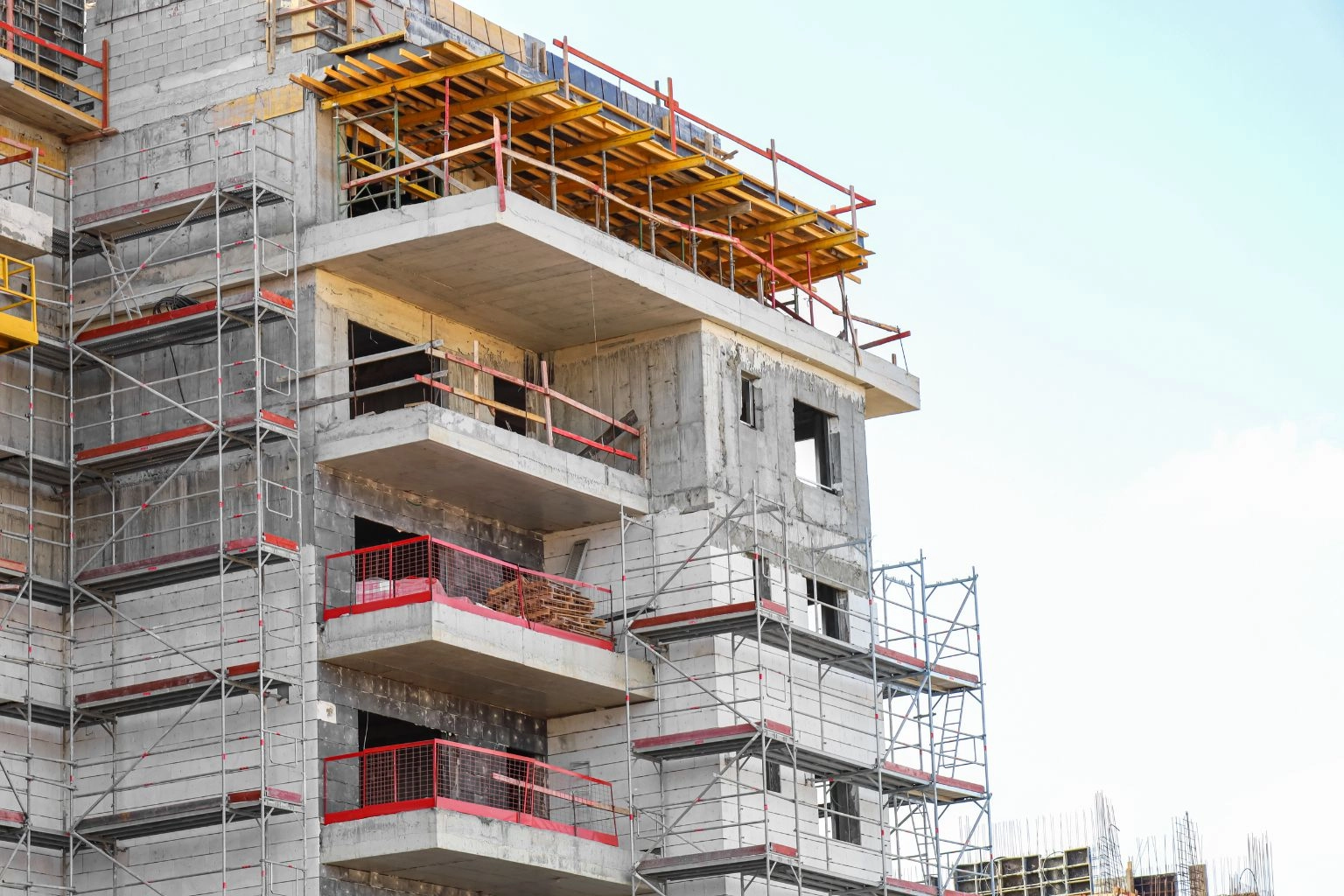
What Is Off-Plan Property in Thailand?
When people talk about off-plan property in Thailand, they’re usually talking about buying a condo before it’s finished. Sometimes before construction has even started. You’ll see floor plans, 3D images, maybe a show unit, but not the actual apartment you’ll one day own.
That’s the first thing to be clear about when buying off plan in Thailand. You’re not buying a physical unit yet. You’re buying a contract. The building, the unit number, even the title deed don’t exist at that point. Everything is based on what the developer plans to deliver.
With an off plan condo in Thailand, ownership only becomes real at completion. Until then, your protection comes almost entirely from the sale and purchase agreement. That document matters far more than the brochure or what’s said in the showroom. In practice, it’s what decides how delays are handled, what happens if things change, and how much flexibility you really have.
This is where expectations need a reset. A pre-construction condo in Thailand can work, but it’s not the same as buying something that’s already built and registered. You’re trading certainty for timing and price. That trade can be reasonable, as long as it’s understood for what it is.
Off-Plan Condo Payment Schedules in Thailand
Most off-plan condo payment schedules in Thailand follow a similar pattern, even if the numbers change from project to project. The idea is simple. You pay in stages as the building moves forward, rather than paying everything at the end.
It usually starts with a small reservation fee to hold the unit. After that comes the contract signing, where a larger chunk is due. This is often around 20 to 30 percent of the price. From there, payments may be spread out over construction milestones, with the final balance paid when the condo is completed and transferred.
Where people get caught out isn’t the structure itself, but the timing. With an off plan property payment schedule in Thailand, some developers ask for a large percentage early on, before much has been built. If construction slows down or gets delayed, your money is already committed, and your options are limited.
Delays are not rare. They’re part of the off-plan landscape here. Most contracts allow for extensions, sometimes more than buyers expect when they first sign.
Before committing, it’s worth slowing down and checking a few basics:
- How much is paid before construction is well underway
- What the contract says about delays and extensions
- Whether payments are tied to real construction progress
- What happens if the project is cancelled or significantly changed
None of this means off-plan is automatically a bad idea. It just means the payment schedule deserves as much attention as the price itself.
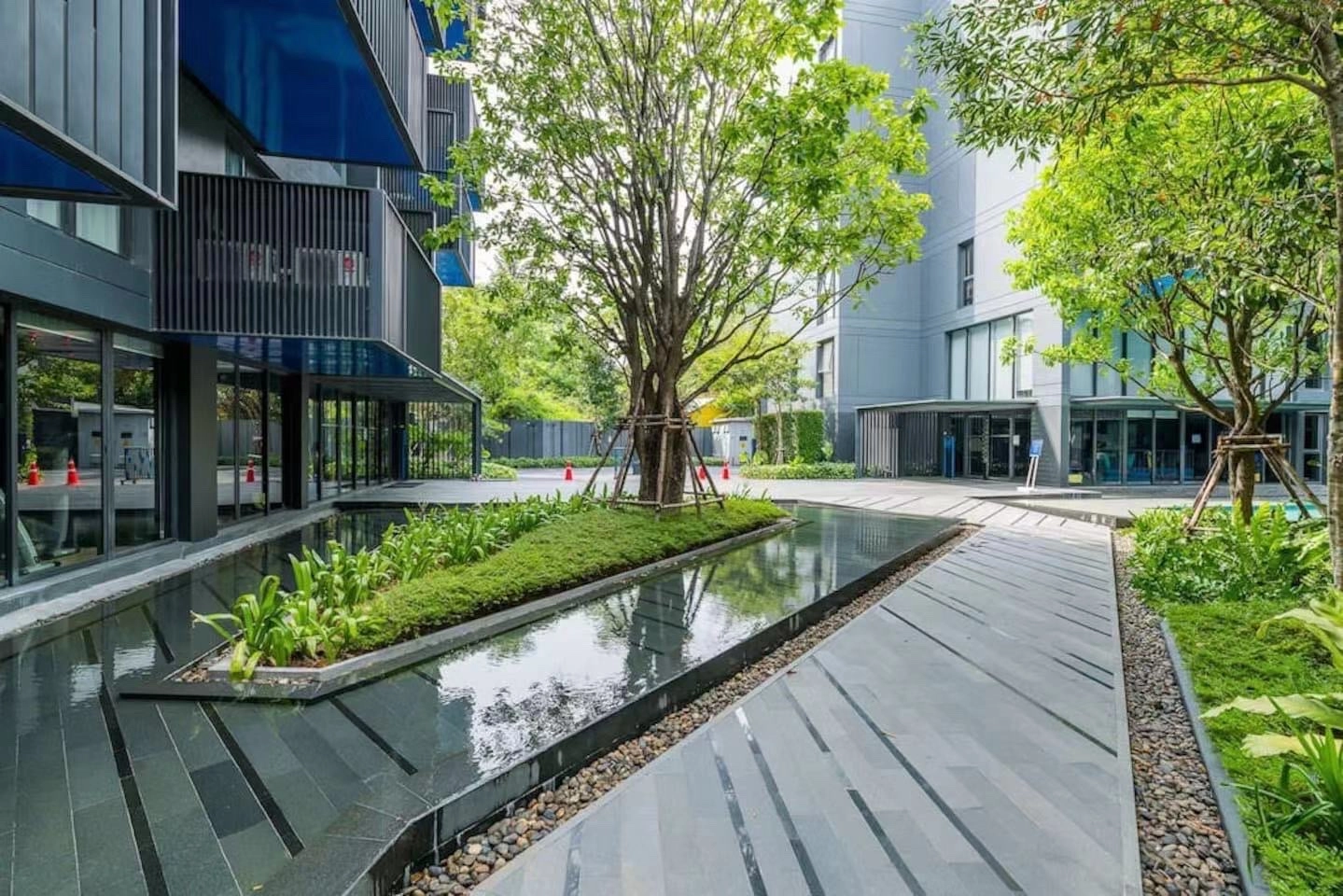
Off-Plan Property Thailand – Risk vs Reward
The reason people keep coming back to off-plan property in Thailand is the upside. Entry prices are usually lower than completed condos nearby. You get more choice in units. If everything goes to plan, the value gap can feel justified by the time the building is finished.
That’s the reward side, and it’s real. Plenty of buyers have done well buying early and holding through completion.
The other side of the trade-off is less about the market and more about the developer. Most off plan property Thailand risks don’t come from prices falling overnight. They come from projects taking longer than expected, changing along the way, or struggling to finish at all.
In practice, timing the market matters less here than choosing who you’re buying from. I’ve seen projects launched at the right moment that still ran into trouble because the developer overextended. I’ve also seen slower market periods where strong developers delivered quietly and on time.
That’s why off plan developer risk in Thailand deserves more attention than glossy forecasts. When you buy off-plan, you’re backing a team’s ability to execute over several years. If they deliver what they promised, the reward can make sense. If they don’t, even a good market won’t fix that.
Off-Plan Property Thailand Risks & Red Flags
Most off-plan problems don’t start with obvious scams. They usually start with small details that don’t get enough attention early on. These aren’t reasons to panic, but they are reasons to slow down and check carefully.
Here are some common red flags worth paying attention to when looking at off-plan property in Thailand:
- No completed past projects
If a developer has nothing finished you can visit, you’re relying entirely on promises. That doesn’t mean it will fail, but the risk is higher. - Unclear land ownership
The land should already be owned by the developer or properly secured. This is a basic off plan property legal check Thailand buyers sometimes skip. - Vague completion dates
If timelines feel loose or open-ended in the contract, delays are easier to extend later. - Heavy upfront payments
Large amounts due early in construction increase exposure if things slow down. - Guaranteed rental returns that sound too smooth
These are often marketing tools, not real income projections. - Contracts only in Thai, with no certified translation
Verbal explanations don’t replace what’s written. This is where many foreign buyers get stuck later. - Pressure around “last units” or foreign quota
Rushed decisions are where mistakes happen, not where value is found.
Not every issue above points to an off plan condo scam Thailand scenario. But taken together, they usually tell you how much risk you’re actually carrying. Spotting them early gives you time to ask better questions before moving forward.
Is Off-Plan Property Worth It in Thailand?
A lot of confusion around off-plan comes from assuming it should work for everyone. It doesn’t. Like most property decisions here, it depends more on your situation than the product itself.
When people ask, is off plan property worth it Thailand, the honest answer is usually “sometimes.” It tends to suit a specific type of buyer.
Off-plan may suit you if:
- You’re planning to hold long term and don’t need immediate income
- You’re not in a rush to move in or rent the unit out
- You’re comfortable with some uncertainty during construction
- You’re buying from a developer with a clear delivery history
Off-plan is usually wrong for you if:
- This is your first property purchase in Thailand
- You need predictable timelines or fixed returns
- You’re relying on short-term rental income
- You’d lose sleep over delays or changes
This is where off plan vs ready condo Thailand becomes a practical comparison, not a theoretical one. Ready units trade upside for certainty. Off-plan trades certainty for timing and price. Neither is better by default. The right choice is the one that fits how you actually plan to use the property.
How to Pick an Off-Plan Project in Thailand (2026)
If you’re considering off-plan, most of the real work is in choosing the developer, not the unit. This part is often rushed, and that’s where problems start.
A few practical checks that actually help:
- Visit completed projects
Don’t rely on photos. Walk through something they’ve already finished and see how it’s aged. - Look at delivery history, not launch history
Plenty of developers are good at selling. Fewer are good at finishing on time. - Confirm land ownership and permits
This is a basic step, but still one of the most important when thinking about how to choose a property developer in Thailand. - Read the contract with an independent lawyer
Especially the sections on delays, changes, and exit options. - Be cautious with guarantees and incentives
In the post-2020 market, stable delivery matters more than flashy promises.
By 2026, most buyers aren’t asking whether a project looks good. They’re asking whether the people behind it can actually deliver. That’s still the question that matters most.
Off-plan property in Thailand isn’t good or bad by default. It’s a structure. One that trades certainty for timing, and sometimes price. When that trade lines up with how you actually plan to use the property, it can work. When it doesn’t, it tends to feel uncomfortable very quickly.
By 2026, most buyers I speak to aren’t chasing upside as much as they’re trying to avoid surprises. They’re more aware that delays happen, that contracts matter, and that who you buy from often matters more than what you buy.
The calm way to look at off-plan is to strip it back. Ignore the renders for a moment and think about your timeline, your patience, and how much uncertainty you’re genuinely okay with. Those answers usually tell you more than any brochure.
That’s often where the right decision becomes clearer, without needing to rush it.
If you’re still weighing things up, sometimes it helps to talk it through with someone who knows the ground here. Hawook’s team looks at Thailand property from a practical angle, not a brochure one.
You can reach out here if you want to ask a few questions or sanity-check a plan:
👉 https://hawook.com/contact/
Or, if it’s easier, you can message the team directly on WhatsApp.
No rush. Sometimes a short conversation is enough to bring things into focus.

Join The Discussion