

Vietnam’s New Property ID System is changing how real estate works across the country. Launched in 2026, the system assigns every property a unique digital code inside a national database, making ownership records easier to verify and improving transparency for buyers and investors. Here’s what Vietnam’s New Property ID System means for property verification, off-plan purchases, and foreign investment in Vietnam’s rapidly evolving real estate market.
Table of Contents
A friend of mine tried buying a small apartment in Ho Chi Minh City a few years ago. The place looked great. Good location, decent price. But verifying the property was another story.
First came the paperwork. Then more paperwork. Records sat in different offices, some digital, some still on paper. Even confirming basic ownership took time. Weeks, in some cases. For foreign buyers especially, the process could feel like chasing clues around the city.
Vietnam is trying to fix that.
On March 1, 2026, the country rolled out a Vietnam national property database that assigns every property a unique Vietnam property identification code. Think of it as a digital tag attached to each house, apartment, or land plot.
This new digital property registry in Vietnam aims to make ownership records easier to track and verify. And if it works as intended, it could improve Vietnam real estate transparency in a market that has grown fast but hasn’t always been easy to navigate.
What Is Vietnam’s Property Identification Code System?
At its core, the Vietnam property identification code system gives every property in the country a unique digital ID. Houses, apartments, and land plots now have their own electronic code that links to official records.
These IDs sit inside the Vietnam national property database, which connects information from land offices, housing authorities, and planning departments. Instead of records scattered across different offices, the goal is to store them in one connected system.
The idea is part of Vietnam’s broader push to modernize government systems. A Vietnam digital land registry helps turn paper-heavy processes into something more transparent and easier to track. Over time, this Vietnam housing database could make it simpler to verify ownership, check legal status, and follow property transactions.
One way to think about it: the ID works like a digital passport for property. Just as a passport carries your identity and travel history, a property code links to the key details behind a home or piece of land.
| Feature | What It Means |
| Unique property ID | Every property receives a distinct electronic code |
| National database connection | Records link to the Vietnam national property database |
| Ownership tracking | Property history can be tied to one record |
| Digital land registry | Part of Vietnam’s shift toward digital land and housing records |
| Centralized information | Helps reduce fragmented paperwork across local offices |
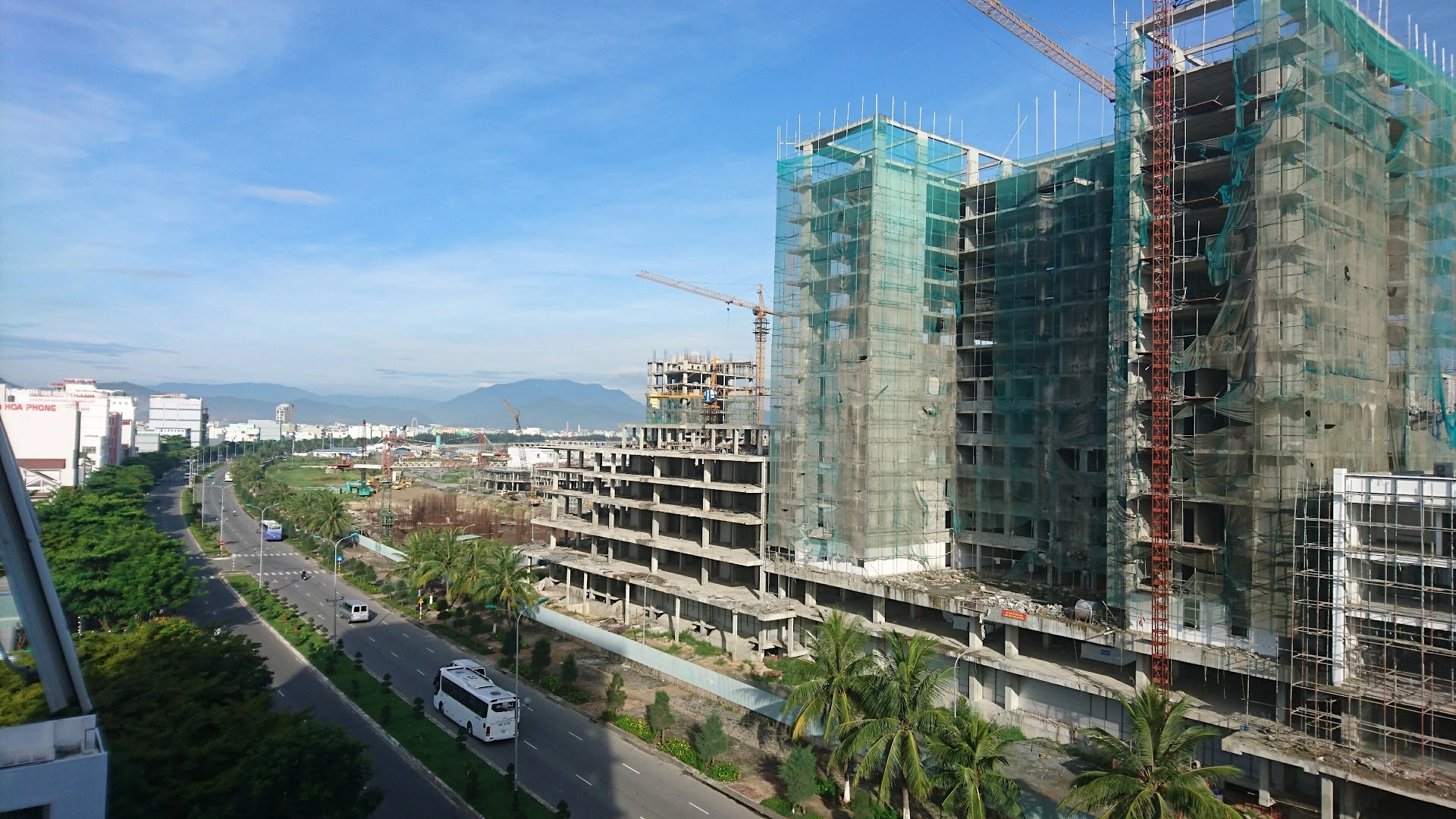
Why Vietnam Built a National Property Database
For a long time, Vietnam’s property system worked a bit like a filing cabinet spread across an entire city. Some records lived in district offices. Others sat in provincial departments. A few were digitized, but many still existed on paper.
If you wanted to verify a property, you often had to check several places. That process wasn’t always simple, especially for buyers who didn’t know where to look.
The Vietnam national property database is meant to pull those scattered pieces into one connected system.
Land records were fragmented
Historically, property records in Vietnam were handled at the local level. Land departments, planning offices, and housing authorities all kept their own files.
Some records were digital. Others were still paper documents stored in physical archives. If someone needed to confirm ownership or zoning details, they often had to request information from multiple offices.
This made property ownership verification in Vietnam slower than it needed to be. Even simple checks could take time.
Transparency issues slowed investors
When information is hard to verify, uncertainty grows.
In Vietnam’s property market, buyers sometimes struggled to confirm a property’s ownership history or whether it had existing mortgages attached. Investors also had to rely on local contacts or legal checks to verify basic details.
That lack of clarity occasionally led to speculation. Rumors about infrastructure projects or zoning changes could drive sudden price spikes before official information became available.
Improving Vietnam real estate transparency has been one reason behind the reform.
The government wants a digital land registry
The Vietnam digital land registry is part of a broader modernization effort. By building a centralized database, the government aims to make property records easier to track and verify.
Over time, the system could help standardize property information across the country. It also creates a clearer foundation for buyers, lenders, and developers.
In simple terms, the goal is to make the market easier to navigate and more predictable for everyone involved.
What Data Will the Vietnam Property Database Include?
The idea behind the Vietnam property database is simple: keep the key details about every property in one place. Instead of digging through separate offices or paperwork, buyers and officials can look up a property and see the important information connected to it.
Over time, the system is meant to bring together records that were previously scattered across different agencies.
| Data Category | Example Information |
| Ownership records | Current owner, past ownership history, title details. These property ownership records in Vietnam help confirm who legally holds the property. |
| Land use rights | Zoning classification, permitted land use, and planning status linked to Vietnam land use rights. |
| Transaction records | Past sales data, purchase prices, and ownership transfers tied to real estate transaction records in Vietnam. |
| Mortgage or loan status | Whether the property is used as collateral or has outstanding bank loans attached. |
| Tax obligations | Property taxes or financial obligations related to the property. |
| Project and developer information | For apartments or new developments, records may include project approvals and developer details. |
For investors, this kind of information makes a big difference. When property data is easier to access, basic checks become faster. Buyers can confirm ownership, review past transactions, and spot potential issues before committing to a deal.
In other words, the database helps turn property research from a guessing game into a more structured process.

How This Changes the Game for Real Estate Investors
In emerging property markets, transparency often shapes how comfortable investors feel. The easier it is to verify ownership, loans, and transaction history, the easier it is to move forward with a deal. That’s where Vietnam’s new property ID system could start making a difference.
Faster property due diligence
For investors, one of the biggest time drains has always been checking whether a property is legally clean. Ownership, loans, land rights, and project approvals all need to be confirmed.
Better property verification in Vietnam could simplify that process.
Before
- Records spread across multiple local offices
- Paper documents mixed with digital records
- Legal checks taking weeks
After
- A searchable property ID linked to the Vietnam property database
- Faster access to ownership and transaction details
- More efficient Vietnam property due diligence
It doesn’t remove the need for legal checks, but it can make the process smoother.
Safer off-plan property purchases
The Vietnam off-plan property market is a big part of the country’s housing sector. In cities like Ho Chi Minh City and Hanoi, buyers often purchase condos before construction finishes.
That model works, but it requires trust. Buyers want to know the project approvals are real and the units aren’t tied up in legal complications.
A centralized record tied to a property ID can help confirm project details and ownership records. That makes early-stage purchases a little easier to evaluate.
Easier financing
Banks also benefit from clearer records. When lenders can quickly confirm ownership history and mortgage status, the risk of disputes drops.
This matters for Vietnam real estate financing. Verified records help banks assess collateral more confidently and process loans faster.
For investors, that means fewer surprises and a smoother path from property search to completed deal.
What This Means for Vietnam’s Property Market
When markets become more transparent, behavior starts to shift. Buyers feel more confident. Lenders take fewer guesses. And investors can make decisions based on clearer information instead of local rumors or incomplete paperwork.
That’s the direction Vietnam seems to be moving toward. The Vietnam property database won’t change everything overnight, but it does move the market closer to stronger Vietnam real estate market transparency.
Institutional investors feel more comfortable
Large investors tend to be cautious in markets where property records are difficult to verify. If ownership history, zoning status, or mortgage data takes weeks to confirm, deals slow down.
A centralized system helps reduce that uncertainty. When records sit inside one database, it becomes easier to review property details before committing capital. For firms looking at property investment in Vietnam, that clarity matters.
Over time, clearer records can also make foreign investment in Vietnam property easier to evaluate. Investors can compare assets across cities, verify project details, and assess risk with better information.
Market data becomes more reliable
Better records also mean better data.
When sales transactions and ownership changes are recorded consistently, the Vietnam housing market data becomes more useful. Analysts can track real prices instead of relying on estimates. Developers can see how neighborhoods are evolving. Banks can assess collateral values with more confidence.
For a fast-growing market like Vietnam, reliable property data helps everyone understand what’s actually happening on the ground.
Challenges: Why the System Won’t Be Perfect Overnight
The reform is a meaningful step, but systems like this rarely become perfect right away. Building a nationwide database for millions of properties takes time, especially in a country where many records have been handled locally for decades.
A few practical challenges are already part of the conversation around Vietnam land registry digitization:
- Millions of legacy records still exist on paper. Some land and housing files were created long before digital systems became common. Converting those into digital land records in Vietnam takes time and careful verification.
- Regional data can be inconsistent. Property records are managed at local levels, and the quality of documentation can vary from one province to another.
- Data cleaning and migration take work. Before records enter the Vietnam property database, they often need to be reviewed, standardized, and cross-checked.
- Access and privacy questions remain. Authorities still need to decide how much information will be publicly accessible and what data should stay restricted.
These Vietnam property database challenges don’t mean the system won’t work. They simply reflect the scale of the project. Building a fully connected digital land registry across the country will likely take several years as records continue to be digitized and verified.
Real Example: How Property Verification Could Change
Picture someone looking to buy a condo in Da Nang. Maybe it’s a small unit near the beach. Nice balcony, decent price. The buyer likes it, but before signing anything, they need to confirm the property is legally clean.
That’s where things used to slow down.
With buying property in Vietnam, verification often meant checking records in several places. Lawyers would contact local offices. Paper files might need to be reviewed. Sometimes the process was quick. Other times it stretched out longer than expected.
Before
- Ownership records checked across multiple local offices
- Paper documents mixed with digital records
- Mortgage or loan status confirmed through manual requests
- Property checks taking days or even weeks
With the new Vietnam property identification code, the idea is that key records are connected through the national database.
After
- A unique property ID tied to the unit
- Faster Vietnam property verification through digital records
- Ownership and transaction history linked in one system
- Quicker checks before moving forward with a purchase
It doesn’t remove the need for legal review. But it can make the early steps of verifying a property much simpler.
Is Vietnam Becoming One of Southeast Asia’s Most Transparent Property Markets?
Across Southeast Asia property markets, governments have been gradually modernizing how land and property records are managed. Some countries moved earlier. Others are catching up as real estate activity grows and investors expect clearer information.
Singapore is often the regional benchmark. Its land registry has been digital for years. Property ownership, titles, and transaction records can be verified quickly through a centralized system. The process is structured and predictable, which helps explain why the city attracts steady international investment.
Thailand has also built a fairly organized structure through the Land Department. Records are centralized, though the system still relies partly on in-person verification at local offices.
Indonesia has been working on its own land digitization efforts. The government has been gradually converting paper records into digital files as part of a broader modernization program.
Vietnam’s recent changes fit into this regional trend. The Vietnam real estate reforms, including the new national property database, aim to strengthen how land information is recorded and accessed. Over time, the system could help standardize property records across provinces.
Compared with more mature land registry systems in Asia, Vietnam is still in the early stages. But the direction is clear. Building a centralized digital registry is a key step toward a more transparent property market.
FAQ: Vietnam’s Property Identification Code System
What is a Vietnam property identification code?
A Vietnam property identification code is a unique digital ID assigned to each property in the country. It connects a house, apartment, or land plot to its official records inside the Vietnam property database. The goal is to make it easier to track ownership, transactions, and legal status.
When did the Vietnam property database launch?
The Vietnam property database and ID system officially launched on March 1, 2026. From that point forward, properties began receiving electronic identification codes linked to national housing and land records.
Does the system make buying property in Vietnam safer?
It can help reduce uncertainty. By connecting ownership history and transaction records to one system, the Vietnam property identification code makes property information easier to verify. Legal checks are still important, but clearer records support safer buying property in Vietnam.
Can foreign investors access the property database?
Access will likely depend on government rules and how the system develops. Some information may be available through official channels or legal professionals. For foreign buyers, lawyers and property advisors will probably remain part of the verification process.
Does the property ID apply to apartments and land?
Yes. The Vietnam property identification code applies to different types of real estate, including apartments, houses, and land plots. Each property receives its own ID so it can be tracked within the national database.
The Bottom Line
The Vietnam national property database is a technical reform, but its purpose is fairly simple. Bring property records into one connected system and make them easier to verify.
For years, checking ownership or transaction history in Vietnam could take time and local knowledge. By assigning a digital ID to each property, the system aims to improve Vietnam real estate transparency and reduce some of the guesswork around property records.
Investors are paying attention because clearer information lowers risk. When buyers can verify ownership, review past transactions, and confirm land use more easily, decision-making becomes more straightforward.
This change won’t transform the market overnight. But it signals where Vietnam is heading. As records become more organized and accessible, the environment for property investment in Vietnam gradually becomes easier to navigate.




Join The Discussion