

A Practical Guide on How to Evaluate Property Developers for Off-the-Plan Buyers in Thailand
ToC
Table of Contents
Introduction
When you buy off-the-plan in Thailand, you’re not just buying a unit — you’re buying trust in the developer behind it. And while renderings, location, and pricing usually get the most attention, it’s the developer’s track record that ultimately determines whether your investment pays off.
The difference between a smooth process and a frustrating experience often comes down to who’s building the project. Did they deliver their last three builds on time? Do their completed units still hold value? How do they handle defects, delays, or buyer communication?
This isn’t about paranoia — it’s about smart due diligence. In a market where regulation is improving but still uneven, especially outside Bangkok, knowing how to assess a developer is your first layer of protection.
In this guide, we’ll walk through:
- What to look for in a trustworthy developer
- What red flags should stop you in your tracks
- And how to ask the right questions before you hand over your deposit
If you’re considering any off-plan investment in Thailand — from a city condo to a pool villa in Phuket — these are the checks that matter.
Why the Developer Matters More Than the Design
It’s easy to be drawn to floorplans, renderings, and location maps — they’re often the first things a buyer sees. But when it comes to off-the-plan property, design is only part of the equation. The more important question is: Who’s building it?
When you buy off-plan, you’re investing in something that doesn’t yet exist. That means:
- No building to inspect
- No way to verify finishes or fittings
- No established community or rental history
The only real indicator of how your property will turn out is the developer’s track record and how they operate behind the scenes.
What a Good Developer Brings to the Table:
- On-time delivery (or close to it) — especially when construction is funded by pre-sales
- Reliable construction partners — using consistent materials and skilled subcontractors
- Transparent communication — realistic timelines, regular updates, no smoke and mirrors
- Strong after-sales service — especially important in the first 12 months post-handover
What Happens When the Developer Falls Short:
- You wait an extra 12–18 months beyond promised timelines
- Finishes and furnishings differ from what was sold
- Communication dries up once the deposit is in
- You face delays in title transfer, leasing documentation, or utility setup
- Worst case: construction stops entirely — and your capital is stuck
The takeaway:
You’re not just buying the design. You’re buying the ability of someone else to execute that design — legally, structurally, and financially. That’s why evaluating the developer comes first, long before layout or view.
Due Diligence: What to Check Before You Buy
Before you sign a reservation form or transfer your deposit, you should know exactly who you’re dealing with. Even if the project looks solid, your real leverage comes before you commit — not after.
Here’s what to look for when assessing a developer.
🏗️ Developer Track Record
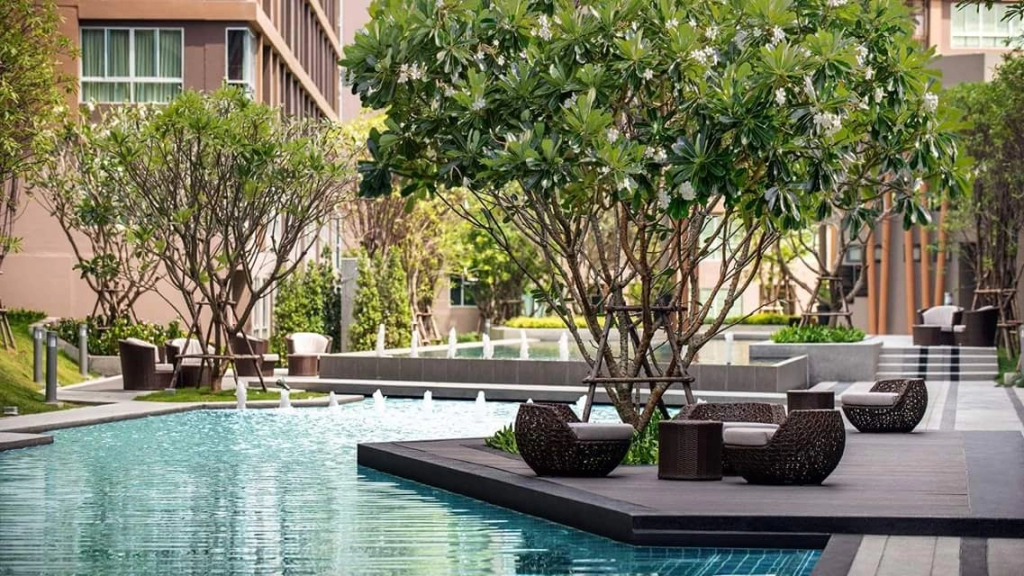
A track record tells you more than any sales pitch. Check for:
- Previous completed projects in Thailand (especially in the same region)
- Delivery timelines — were past projects completed on schedule or delayed?
- Resale performance — have past buyers made gains or struggled to exit?
- Build quality and maintenance — are their older buildings holding up, or showing wear?
Pro tip: Google the developer’s name along with past project names. Look for forums, reviews, or YouTube walk-throughs from real owners.
🏛️ Legal & Regulatory Standing
A reputable developer ensures their legal and planning documents are in place before launching sales:
- Is the land title clean and held in the developer’s name?
- Has the project received EIA (Environmental Impact Assessment) approval if required?
- Is the project registered under the Thai Condominium Act (for condos)?
- Is the leasehold structure registered with the Land Office (for villas)?
Don’t rely on verbal assurances — ask to see copies or confirmation.
💬 Communication & Transparency
How a developer communicates before you buy is often how they’ll communicate after.
Ask yourself:
- Do they respond clearly and directly to your questions?
- Are payment terms tied to actual construction progress, or vague percentages?
- Will they share a draft contract before you pay a booking fee?
- Can they provide a timeline with clear milestones and delivery expectations?
Watch out for pressure tactics, vague promises, or resistance to independent review — they’re early signs of bigger issues.
Bottom line:
Good developers welcome due diligence. The ones who resist it — or try to rush you into signing — are usually the ones worth walking away from.
Red Flags That Signal Risk
Not every off-plan project is created equal — and not every developer is ready to deliver what they promise. Sometimes the warning signs are obvious. Other times, they’re buried under slick branding or vague language.
Here are some of the biggest red flags to watch out for:
🚩 No Track Record or Unverified Past Projects
If a developer can’t point to completed projects you can visit, or if their past projects have no online footprint — proceed with caution. New developers aren’t automatically risky, but lack of transparency is.
🚩 Overpromised Returns or “Guaranteed” Yields
If the brochure claims 8–10% “guaranteed” net yield, ask:
- For how long?
- Is it contractual?
- What happens if occupancy drops?
In most cases, these are marketing tools — not financial guarantees.
🚩 Pressure to Sign or Pay Quickly
If you’re being told to book “today only” to lock in a deal, or discouraged from taking time to review the contract, that’s a red flag. Solid developers allow — and even encourage — due diligence.
I was recently in the sales gallery of one of Thailand’s largest developers, and even there, the team leaned heavily on urgency: “Units are selling fast — it might not be available tomorrow.” And while that can be true — especially for well-located buildings from brands like Sansiri — it should never override your process.
Don’t let fear of missing out rush your decision. If it’s a good deal today, it’ll still be a good deal tomorrow. And if you walk away, there is no shortage of new projects in Thailand. You’ll find something that suits — on your terms.
🚩 No Legal Documentation Shared Up Front
If a developer won’t share:
- The draft Sales & Purchase Agreement
- The land title
- Project registration or permits
…they either don’t have them, or don’t want you to look too closely. Neither is a good sign.
🚩 Vague Ownership or Land Structure
If no one can clearly explain who owns the land, how the leasehold will be registered, or whether the title is free of encumbrances, stop. These are non-negotiables in any off-plan deal.
🚩 No Office, Local Presence, or Physical Team
If the developer has no physical sales office, no in-market team, or operates through a network of “representatives” but not direct staff — you’re at arm’s length from any accountability. That’s not where you want to be when delays or defects arise.
Final thought:
One red flag isn’t always a deal-breaker — but two or more should make you pause. Trust is earned through transparency, not urgency or pressure. More tips for buyers.
Tools & Sources to Help Your Research
You don’t need a legal background or industry contacts to evaluate a developer — but you do need to know where to look. The right tools can quickly reveal whether a developer is credible, experienced, and transparent — or flying under the radar.
Here are the key resources to check before you commit:
🌐 Google Search + Maps
Search for the developer’s name, plus past project names. You’ll often find:
- Buyer forums and complaint threads
- YouTube walk-throughs from owners or agents
- Google Maps pins of previous buildings (check reviews and photos)
Zoom in and explore the site surroundings — especially if the project you’re looking at doesn’t exist yet.
🗂️ DBD (Department of Business Development)
Thailand’s DBD allows you to look up registered companies. You can check:
- The developer’s legal name and age of the company
- Financial statements (if available)
- Registered capital — a rough indicator of their capacity
📍 https://datawarehouse.dbd.go.th
📝 Project Documentation
Ask the developer (or your agent) to provide:
- Title deed for the land
- EIA approval (if required)
- Construction permit or project registration certificate
- Sample Sales & Purchase Agreement
- Floor plans and material specs
If they hesitate or say it’s “not available yet,” that’s worth noting.
💬 Facebook Groups & Local Forums
Community groups like “Phuket Property Chat”, “Bangkok Real Estate Discussion”, or expat buyer groups often contain candid feedback. Search for the developer’s name or project and scroll through previous threads.
Just remember: forums are unfiltered — take every post with a grain of salt and verify for yourself.
🧑💼 Talk to Past Buyers or Agents
If you’re working with a trusted local agent, ask them to connect you with:
- A past buyer from the same developer
- A property manager who’s handled the developer’s finished projects
- A lawyer who’s reviewed their contracts before
These are the people who’ve seen what the brochures don’t show.
Bottom line:
You don’t need to uncover every answer on your own — but you do need to ask the right questions and look beyond the showroom.
Questions to Ask the Developer Directly
You don’t need to be aggressive or suspicious — just informed and prepared. A credible developer will welcome serious questions from a serious buyer.
Here’s what to ask before you pay a booking fee or sign anything:
🏗️ Project Experience & Quality
- Can I visit a past project of yours that’s already completed?
- Do you use the same construction team and materials for this project?
- What kind of warranties are included after handover?
📄 Legal & Ownership Details
- Who owns the land right now, and is the title clean?
- Has the EIA (Environmental Impact Assessment) already been approved?
- Will this unit be freehold or leasehold — and is it properly registered?
⏱️ Timelines & Payment Terms
- What is your estimated delivery date — and what happens if there’s a delay?
- Are payment stages tied to actual construction progress?
- Can I see a draft of the Sales & Purchase Agreement before booking?
🧳 Handover & Post-Sale Service
- Who will be handling the handover process?
- Is there a snag list inspection process before final payment?
- What happens if there are issues after I move in?
💬 Communication & Transparency
- Will I receive regular updates (photos, timelines) during construction?
- Do you have a WhatsApp or LINE group for buyers once the project starts?
- Who do I speak to after the sale — is it the same team or a different office?
Tip: Take notes during the conversation. The way a developer answers — not just what they say — often tells you how they’ll act once the deal is done.
✍️ Consider including a downloadable checklist version of these questions
✅ Conclusion: Buy the Developer, Not Just the Design
In off-the-plan real estate, you’re not just buying a unit — you’re buying someone’s ability to deliver it.
That’s why the developer matters more than the renderings, more than the price, and in some cases, more than the location. A strong project starts with a capable, experienced, and transparent team behind it. A weak developer, on the other hand, can turn even the best location into a regret.
So take your time. Ask the uncomfortable questions. Compare what’s promised with what’s been done before. And if something doesn’t feel right, walk away — there are always new projects launching, especially in Thailand.
Evaluate the builder, not just the brochure. That’s how you protect your money — and your peace of mind.
❓ Frequently Asked Questions
1. How do I check if a property developer in Thailand is legitimate?
Start by reviewing their past completed projects, company registration with Thailand’s Department of Business Development (DBD), and whether the land and project are properly licensed. Legitimate developers are transparent and able to show past delivery history, legal documents, and permits on request.
2. What questions should I ask a developer before buying off-plan?
Ask about their track record, project timeline, legal structure (freehold or leasehold), payment terms, EIA approval, and what’s included at handover. Always request to see a draft Sales & Purchase Agreement before paying a booking fee.
3. What are the risks of buying off-plan from an unknown developer?
The biggest risks include construction delays, changes to specifications, lack of legal enforcement if something goes wrong, or even project abandonment. These risks increase significantly if the developer has no proven track record or avoids due diligence questions.
4. How can I verify a developer’s previous projects in Thailand?
Search for their past projects on Google Maps, YouTube, and local forums. Visit the sites if possible or ask your agent for photos and resale data. Check for signs of poor construction, maintenance issues, or buyer complaints.
5. Is it safe to buy off-the-plan property in Thailand?
Yes — but only if you evaluate the developer properly. Safety depends on a clean contract, construction-linked payments, legal registration, and working with a proven team. Never rely on verbal promises or pressure tactics.



Join The Discussion