
A Step-by-Step Timeline of the Post-Purchase Process for Off-the-Plan Properties in Thailand
Table of Contents
Table of Contents
📌 Introduction
Buying off-the-plan can feel like a smart move — and often, it is. You lock in a property at today’s price, the design is fresh and modern, and payments are usually spread out over the construction timeline. For many buyers, it’s a way to get into the market early without tying up the full amount upfront.
But here’s the big question: What Happens After You Buy?
Once the initial excitement of signing the contract fades, many buyers start to feel unsure. The stretch between deposit and delivery can be filled with vague timelines and patchy updates. And depending on where you’re buying, the process might be very different from what you’re used to back home. Further reading: risks and rewards of buying off-the-plan in Thailand.
In Thailand, especially, there are a few quirks to watch out for: payment schedules tied to construction milestones, leasehold paperwork, title transfers, and the all-important handover process. If you’re not clear on how it all works, it’s easy to miss details that matter later.
This guide lays it all out step by step — from signing the Sales & Purchase Agreement to getting the keys in your hand. No fluff, no mystery. Just a clear roadmap of what to expect, when to expect it, and how to stay on top of the process from day one.
1. 📝 Reservation & Booking Fee (Day 0)
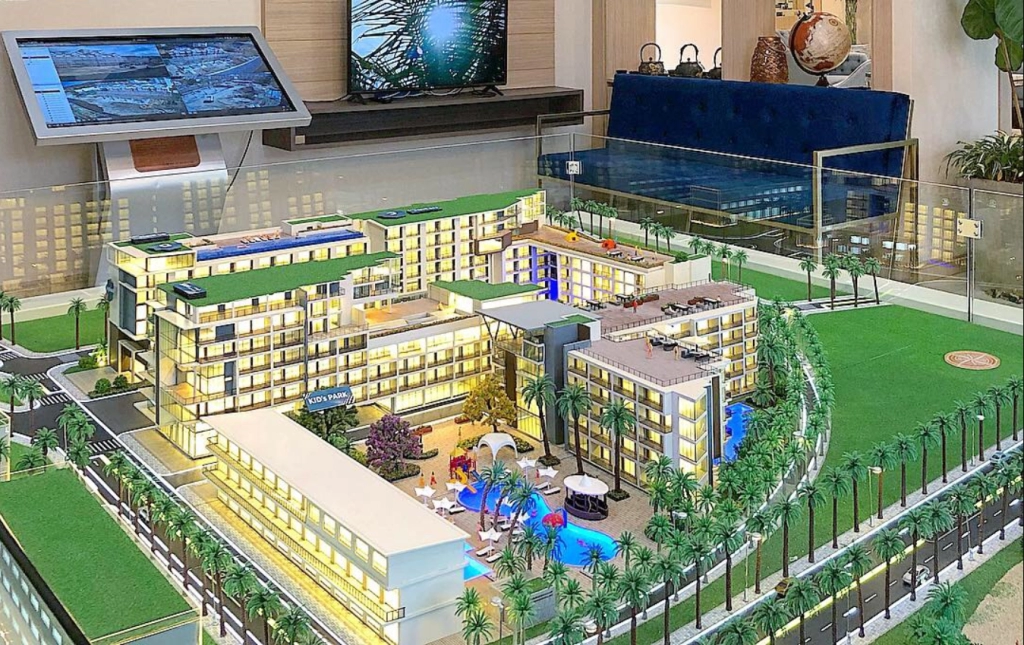
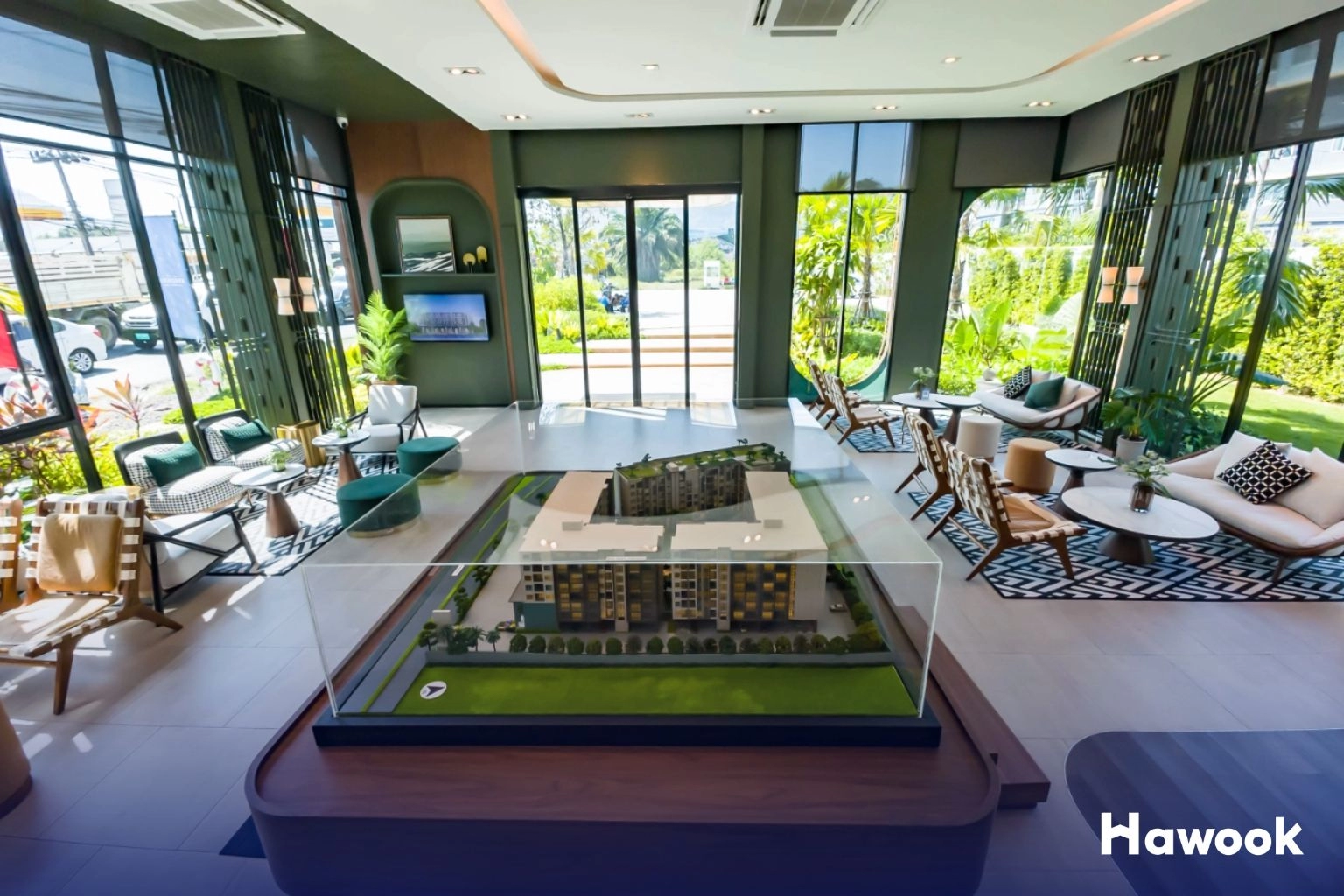
Once you’ve chosen a unit you like, the first step is to reserve it. This usually involves paying a booking fee — typically between $3,000–$8,000 USD depending on the project. It’s a simple agreement that takes the unit off the market while the developer prepares your full contract.
At this stage, you’re not locked in — but the developer isn’t either. That’s why it’s important to:
- Get the booking terms in writing — including whether the fee is refundable (some are, some aren’t).
- Double-check the unit details — make sure the layout, floor, view, and price match what you’ve been promised. 👉 leasehold vs freehold ownership in Thailand
- Ask for a timeline for when you’ll receive the Sales & Purchase Agreement (SPA). Two to four weeks is standard.
You don’t need a lawyer yet — but it’s smart to start thinking about who will review the contract once it’s ready.
This step is low-risk, but it sets the tone. Stay clear, stay organized, and keep all receipts and paperwork in one place from the beginning.
2. ✍️ Signing the Sales & Purchase Agreement (Week 2–4)
Once the booking is confirmed, the developer will send over the Sales & Purchase Agreement (SPA). This is the full legal contract that outlines everything: payment terms, construction timelines, what you’re actually buying, and what happens if things go wrong. 👉 where to buy property in Thailand
You’ll usually be expected to pay a deposit of 20%–30% of the total purchase price when you sign.
This is the real commitment — so take it seriously.
✅ What to check before signing:
- Unit details — make sure the unit number, floor plan, size, and view match what you reserved.
- Payment schedule — are the construction milestones realistic? Are the dates fixed or flexible?
- Late delivery clause — what happens if the developer is delayed? Is there a penalty or refund?
- Refund & cancellation terms — not fun to think about, but important.
- Finishings & inclusions — is furniture included? Air-con? Kitchen appliances? Get it in writing.
🔍 Tip:
Have a local lawyer review the contract — even if the developer says it’s “standard.” It’s usually a small cost for a lot of peace of mind.
Once signed, you’ll receive a stamped copy and a receipt for your deposit. Now the real wait begins — but knowing what comes next makes it a lot easier to manage.
3. 🚧 Construction Phase (Months 1–24+)
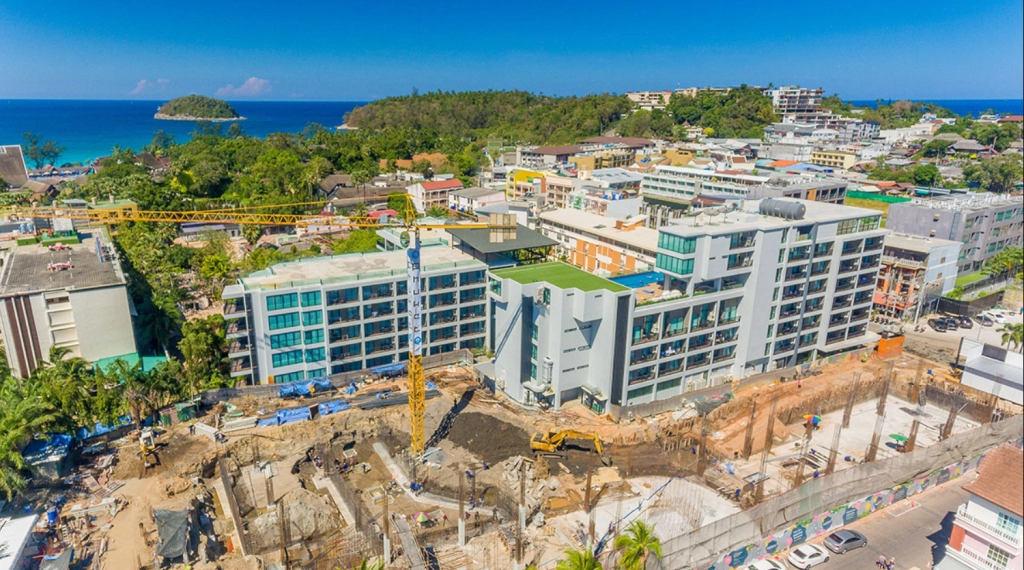
This is the long middle stretch — the part where your unit goes from blueprint to building site to finished product. Depending on the project, this can take anywhere from 12 to 30 months.
During this phase, your main job is to stay informed without getting obsessed.
What to expect:
- Most developers send progress updates every few months — usually with photos, drone shots, or site visit invites if you’re local.
- Payments are typically tied to construction milestones (e.g. foundation complete, structure up, roof on). You’ll get a notice when each milestone is reached and a due date for the next payment.
Things to watch:
- Delays happen. Especially with weather, supply chains, or permitting. Check your contract for how delays are handled — are there penalties or just vague “best efforts” language?
- Construction quality. If you’re not in Thailand, consider hiring a local inspector to check on things partway through — especially before the final payment.
Tip:
If the updates go quiet or things feel off, ask questions early. Developers who communicate well during construction usually deliver better products.
4. 💸 Staggered Payments During Construction
Unlike buying a completed property, off-the-plan payments are made in stages, tied to construction milestones. These are usually set out in your contract, and each one triggers a new payment request.
Typical structure:
- 20–30% on contract signing
- 10–20% when foundation is complete
- 10–20% at structural completion (roof on, walls up)
- 10–15% at interior fit-out
- Final 10% at completion / handover
Each developer has their own version, but the logic is the same: you’re funding the project in parts as it progresses.
What to do at each stage:
- Request proof of progress — photos, site reports, or 3rd-party confirmation if possible.
- Confirm your payment instructions carefully — international transfers need to be correctly documented for legal ownership and eventual resale.
- Keep a paper trail — payment receipts, bank slips, and correspondence.
Watch out for:
- Ambiguous milestones — e.g. “interior 50% complete” is vague. Ask for specifics.
- Aggressive payment timelines — if you’re being asked to pay ahead of what you see on-site, push back or clarify.
Tip:
If you’re overseas, it’s worth having a local agent, lawyer, or trusted contact keep an eye on things. A quick site visit or WhatsApp photo can tell you more than a polished PDF.
5. 🏁 Completion Notice & Handover Inspection
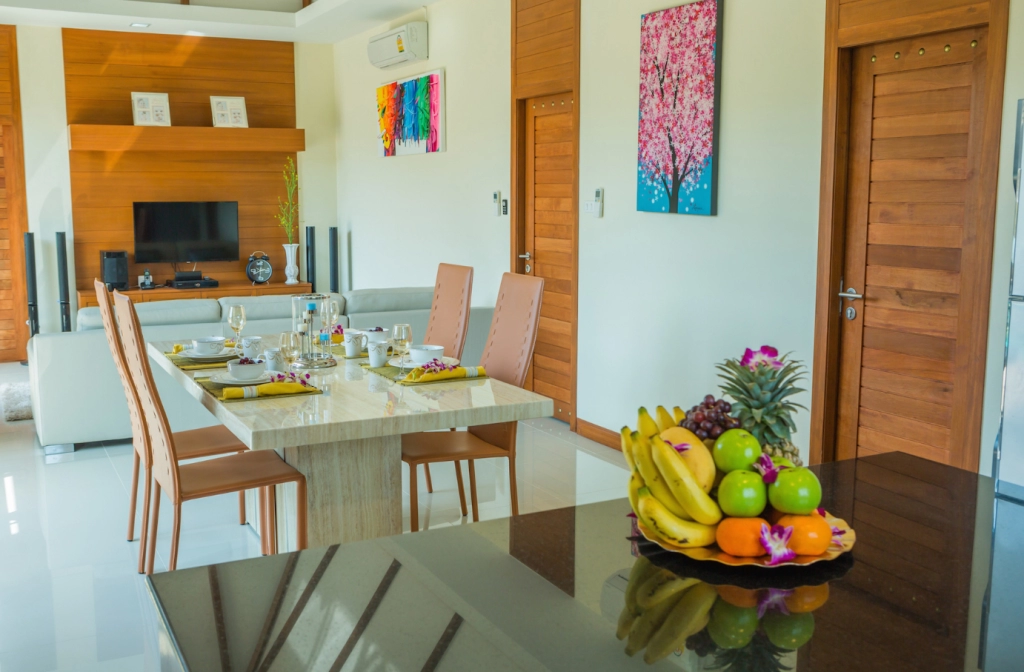
As the project nears the finish line, the developer will issue a completion notice — basically letting you know the unit is ready for handover and your final payment is due.
This is your cue to inspect the property before signing anything or transferring the balance.
What happens now:
- You’ll be invited for a handover inspection — either in person or via video if you’re overseas.
- This is your chance to walk through the unit, check the finishes, and flag anything that’s not right — paintwork, tiles, plumbing, air-con, windows, etc.
- If issues are found, you or your lawyer will submit a snag list (a formal punch list of what needs fixing).
What to look for:
- Does the layout match the floor plan you signed off on?
- Are the materials and fixtures what were promised?
- Is everything functional — lights, water, AC, locks, appliances?
Tip:
Bring a checklist (or send someone you trust with one). Some developers do a great job, others cut corners near the end. You don’t get another chance to push for fixes once you accept the unit.
Don’t let anyone rush you. You’re not being difficult — you’re protecting your investment.
6. 🧾 Final Payment & Title Transfer
Once you’re happy with the handover inspection — or the snag list has been resolved — it’s time to make your final payment (usually the remaining 10%) and officially take ownership.
For condos (freehold):
- The title deed (Chanote) is transferred into your name at the Land Office.
- A representative (lawyer or agent) can attend on your behalf if you’re not in Thailand.
- You’ll receive a stamped title deed and official proof of ownership.
For villas (leasehold):
- You’ll sign a registered lease agreement, typically for 30 years, often renewable.
- The lease is recorded at the Land Office, which gives you legal standing.
- In some cases, a company structure is involved — make sure it’s been set up and documented properly. 👉 leasehold vs freehold ownership in Thailand
Costs involved:
- Transfer fees & taxes: Usually split 50/50 between you and the developer, unless your contract says otherwise. Budget 1–2% of the property value.
- Legal & service fees: If using a lawyer or power of attorney.
Tip:
Make sure all payments have proper documentation — especially if you plan to sell the unit later. The bank transfer slips and Foreign Exchange Transaction Form (FET) are essential for foreign owners.
Once the paperwork is done, you’re the legal owner. Congrats — you’re in the home stretch.
👉 full guide to property ownership in Thailand
7. 🏡 Move-In or Start Rentals

Once the title transfer or lease is complete, the property is officially yours — and you’ve got two paths: move in or rent it out.
If you’re moving in:
- You’ll need to set up utilities (electricity, water, internet). Some developers assist with this, others leave it to you.
- Register your name with the juristic office (building management) and check what documents they need.
- If it’s a condo, get familiar with building rules — especially around renovations, pets, and deliveries.
If you’re renting it out:
- Decide between short-term (Airbnb-style) or long-term rentals.
- Some buildings don’t allow daily rentals without a hotel license — check the building rules or talk to your agent.
- You may want to partner with a local property manager who handles listings, check-ins, cleaning, and guest issues. 👉 importance of local property managers.
Ongoing costs to expect:
- Common area fees (charged monthly or annually — usually $2–$4 per sqm/month)
- Sinking fund (a one-time reserve fee for building maintenance — usually paid at handover)
- Insurance, cleaning, and maintenance
Tip:
A good property manager can make or break your returns — especially for short-term rentals. Choose someone who’s responsive, has a track record, and speaks both Thai and English if possible.
🧭 Summary Timeline
| Stage | Timeframe | Key Action |
| Reservation & Booking | Day 0 | Pay booking fee, select unit |
| Contract Signing (SPA) | Week 2–4 | Pay 20–30%, review contract carefully |
| Construction Phase | Month 1–24+ | Monitor updates, make milestone payments |
| Completion & Inspection | Month 18–30+ | Handover walkthrough, finalize payment |
| Title Transfer & Handover | Month 20–32 | Legal transfer, get deed or lease |
| Move-In or Rent Out | Month 21+ | Furnish, register, or begin marketing |
✅ Wrapping It Up
Buying off-the-plan in Thailand can be a smart, rewarding move — as long as you understand what happens after you sign the contract.
The process isn’t complicated, but it’s different from what many overseas buyers are used to. Staged payments, construction-linked timelines, leasehold paperwork, and handover inspections all require attention and follow-through.
If you take the time to:
- Get your contract reviewed properly,
- Keep track of construction and payments,
- And do a thorough inspection before handover…
…you’ll avoid the biggest headaches and give yourself the best chance of ending up with a solid investment — or a home you actually love living in.
Want Help Navigating Your Own Timeline?
We’re here for that. Whether you’re mid-way through a project or just starting your search, we can help you:
- Understand payment plans
- Choose between rental strategies
- Or just make sure nothing gets missed
💬 Book a quick call or grab our Off-the-Plan Buyer Checklist below — it’s free, and it’ll keep you on track.
🎯 Final Tips for Buyers
- Always use a local lawyer, even if the developer says it’s “not needed.”
- Understand the full cost: transfer fees, VAT, common fees, furniture packages.
- Don’t rush handover — ensure quality and paperwork are fully in order.
❓ FAQ: Buying Off-the-Plan Property in Thailand
Is it safe to buy off-the-plan property in Thailand?
Yes, but it depends on the developer and how well you manage the process. Work with a reputable builder, get your contract reviewed by a local lawyer, and keep detailed records of all payments and milestones. Delays and inconsistencies can happen, so staying informed is key.
What are the biggest risks of buying off-plan?
The main risks are construction delays, changes in quality or finishes, and unclear refund or cancellation terms. There’s also a time gap between payment and ownership, so make sure your contract protects you if things go off track.
How long does construction usually take?
Most off-plan condo or villa projects take 18–30 months from start to finish. It varies based on location, project size, and external factors like weather or permitting. Your contract should include a realistic timeline and a clause for delays.
Can foreigners legally own property in Thailand?
Foreigners can own condo units freehold (as long as the building has foreign quota left). For villas, it’s usually leasehold — a 30-year lease registered with the Land Office. Owning land directly is restricted but can be structured legally with proper advice. 👉 legal property rights for foreigners in Thailand
When do I actually take ownership?
Ownership is transferred once the project is complete, you’ve done the handover inspection, made the final payment, and signed all necessary documents. For condos, you’ll get a title deed; for villas, a registered lease.
Can I rent out my unit after handover?
Yes — most buyers either move in or rent the unit out long-term or short-term. Just be sure to check the building rules: not all condos allow daily rentals like Airbnb unless they have a hotel license.



Join The Discussion