
Thinking about investing in Rawai & Nai Harn?
This in-depth guide unpacks everything you need to know about South Phuket’s most livable region — from lifestyle perks and buyer profiles to real estate trends, villa demand, and standout new developments. Whether you're eyeing a family-friendly pool villa or a yield-focused Airbnb unit, this article explores why investing in Rawai & Nai Harn continues to attract digital nomads, wellness-driven expats, and savvy international buyers alike.
Table of Contents
A local’s guide to lifestyle, growth, and property potential
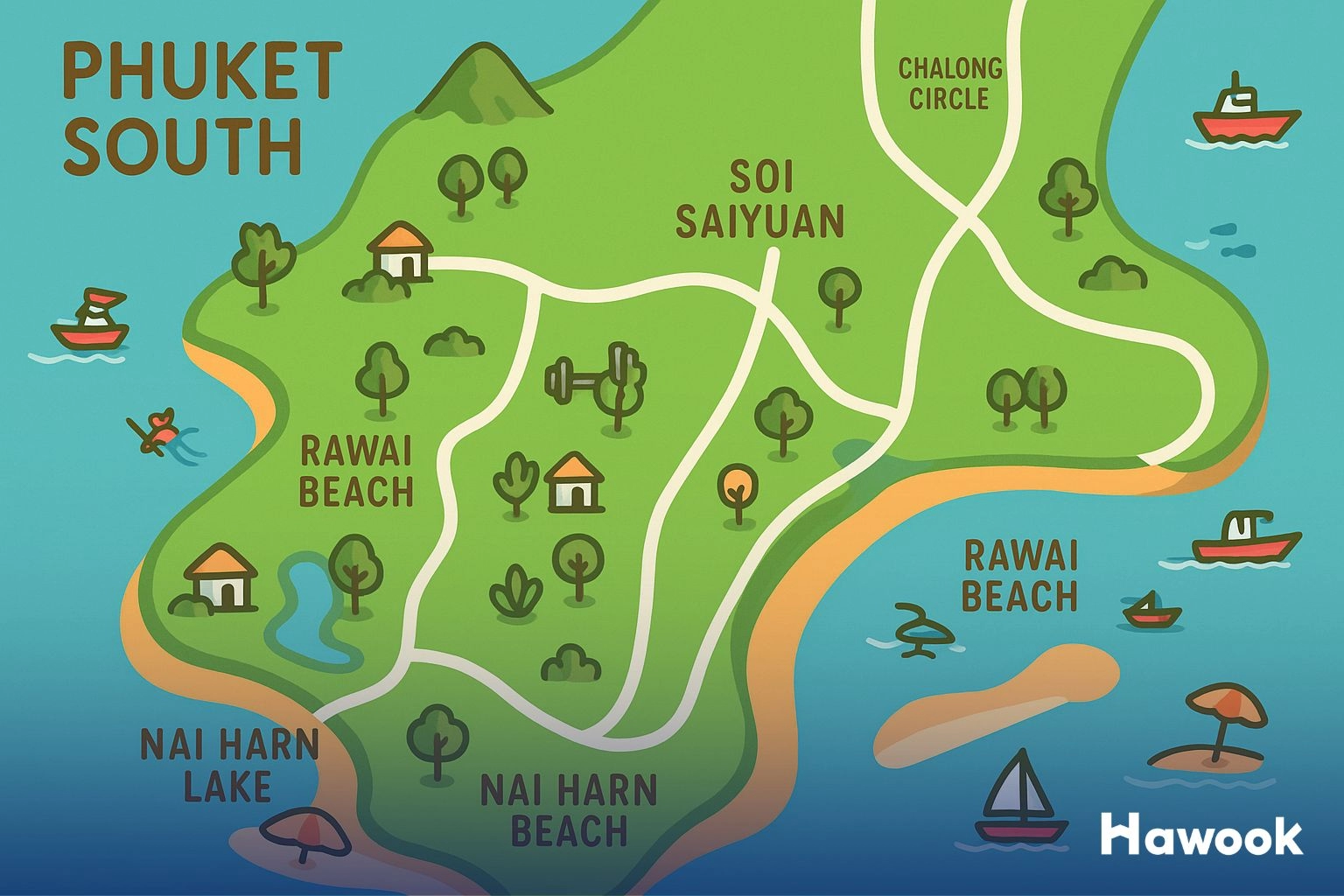
When people talk about Rawai and Nai Harn, they often treat them like separate destinations. But the reality is more fluid. Nai Harn is actually part of Rawai’s administrative area, and in practice, the whole region below the Chalong Circle functions as one cohesive pocket of Phuket life — one that’s increasingly popular with long-stay expats, lifestyle-driven investors, and villa buyers looking for peace without isolation.
Here’s how it breaks down:
Rawai Beach is a working shorefront lined with boats, seafood restaurants, and shady trees where locals gather in the evenings. It’s not a sunbathing beach, but it’s full of life and practical charm, a departure point for island-hopping and a hub for Thai families and southern expats alike.
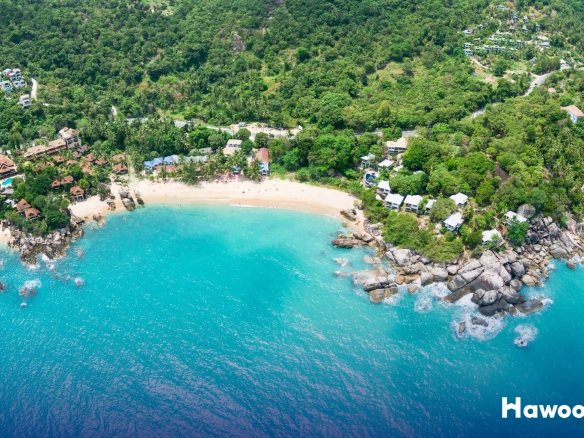
Nai Harn Beach, on the other hand, might just be the most beautiful on the island. Tucked at the end of a lush valley, it draws a quieter, more wellness-focused crowd, joggers, families, and long-term residents who prefer sand to speedboats. It’s technically still in Rawai, but locals have been calling it “Nai Harn” for years because, well, that’s what it feels like.
Then there’s everything in between:
- The hillsides rising up from Soi Saiyuan and Soi Mangosteen
- The elevated sea-view plots along Wichit Road looking toward Chalong Bay
- The quiet backstreets that wind through coconut palms, cafes, and co-working spots
- And the scenic roads connecting to Kata, Chalong Pier, and the rest of the island
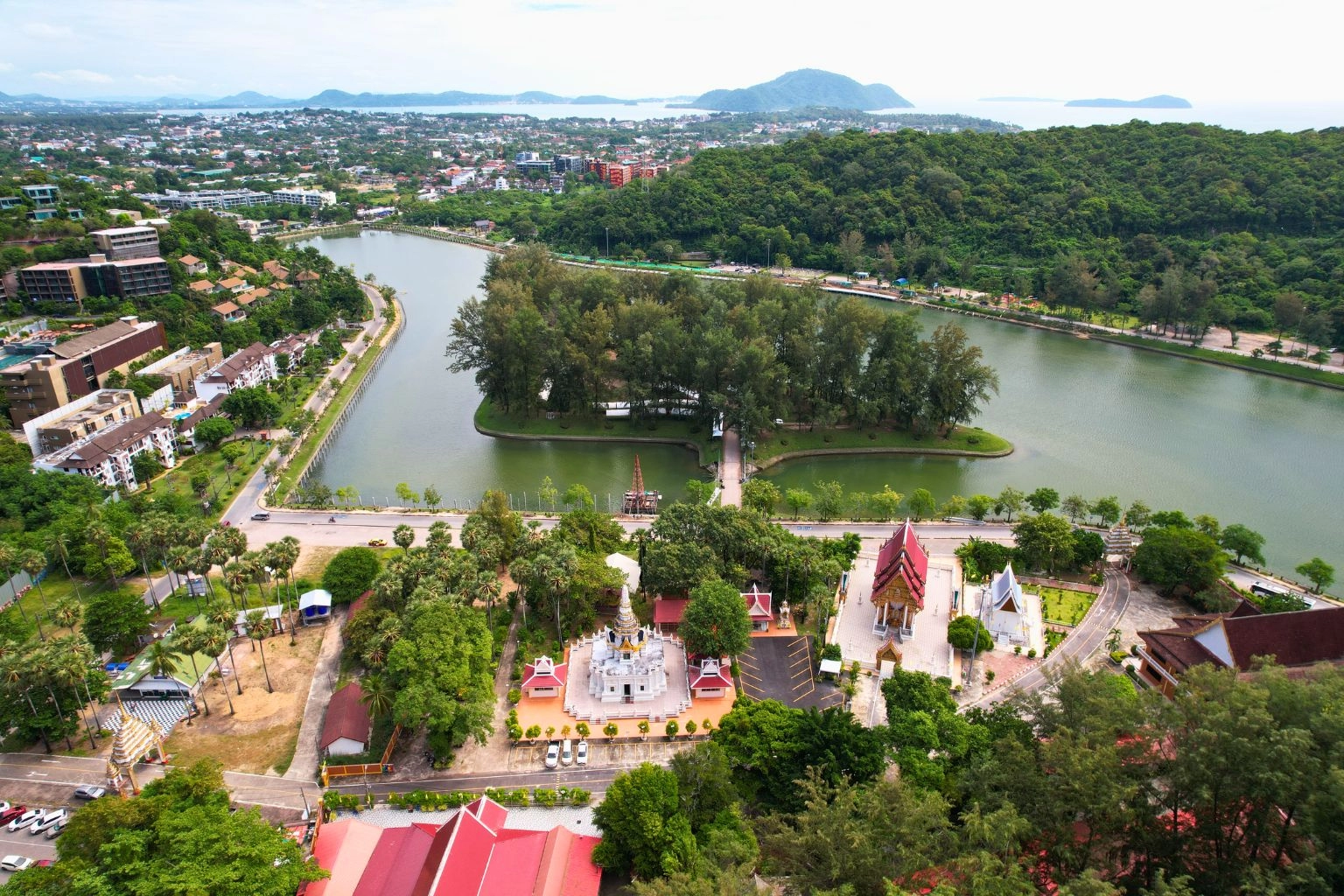
This whole zone, call it Phuket South, is 5 to 10 minutes across in any direction. And whether you’re investing in a condo near Nai Harn Lake, a sea-view villa in the hills, or a smart Airbnb unit tucked near Saiyuan, you’re still anchored in the same laid-back, livable ecosystem.
In this guide, we’ll walk you through:
- What makes this area so appealing for property buyers and investors
- The lifestyle on offer — from beaches to bakeries to boat launches
- The real estate trends and rental performance data you should know
- And some of the best new developments to watch if you’re ready to buy
Phuket South Lifestyle: Where Laid-Back Meets Livable
Phuket South — covering Rawai, Nai Harn, and the surrounding hillside neighborhoods — offers a lifestyle that’s less resort-y and more real. It’s a place where long-stay expats, wellness nomads, young families, and seasonal escapees live like locals, not tourists.
There are no megamalls or rooftop clubs here. Instead, you’ll find smoothie bars, yoga shalas, French bakeries, co-working lofts, and beachfront seafood grills where Thai families picnic under the trees as the sun goes down.
Here’s what makes the area unique:
🌊 Beach Access — But Different Vibes
- Nai Harn Beach is the jewel of the south. Wide, clean, and framed by greenery, it draws early morning runners, SUP paddlers, and families in for the day. It’s swimmable year-round and feels more like a community gathering point than a tourist magnet.
- Rawai Beach isn’t for swimming — but it’s full of energy. This is where you’ll see longtail boats lined up at low tide, locals fishing off the pier, and boats heading to Coral Island and Koh Bon. It’s also one of the island’s most social waterfronts, with open-air seafood restaurants and a public park-style vibe in the late afternoon.
🏡 Village Feel, Not a Resort Strip
There’s no single “downtown” in Phuket South — and that’s part of what gives the area its charm. Unlike the resort-heavy zones of Patong or Bang Tao, this part of the island isn’t built around hotel clusters or mall developments. It’s a sprawl of local neighborhoods, scenic cut-throughs, and villa-lined backroads.
You won’t find much walking traffic here — not in the everyday sense. People get around on scooters or in cars. But there are pockets where people do walk: along Rawai beachfront, around Nai Harn Lake, and on the hilly roads leading down to Yanui Beach, especially early mornings and sunset hours when the temperature drops and the views light up.
Here are some of the key microzones that make up the southern sprawl:
Soi Saiyuan
The social backbone of Phuket South. This long connector road runs from the main Wiset Road down to Nai Harn Beach and is dotted with cafes, restaurants, Muay Thai gyms, coworking spots, bike rentals, clinics, and bars. Everything passes through here eventually — whether you’re heading to train, grab groceries, or catch up with friends.
Soi Saiyuan Hills (1–16) & Soi Mangosteen
Branching off the Saiyuan spine are a series of smaller hill roads — quieter, breezier, and home to a mix of villa developments, boutique apartments, and hidden land plots still available for development. These areas are popular with longer-term residents looking for more privacy while staying close to the action.
Nai Harn Lake & the Hills Behind
This zone feels peaceful and park-like. The flat area around the lake is ideal for families and retirees who want proximity to the beach with a calmer, community-oriented vibe. Inland, the hills rising behind the lake offer more privacy and views, with villas tucked among palms and tropical green.
Wichit Road Ridge
Winding above Rawai and facing toward Chalong Bay, this ridge is home to some of the south’s best elevated sea views. You’ll find everything from modest homes to large sea-view villas perched on sloping land, especially popular with mid-to-upper tier buyers.
Rawai Beachfront
Not swimmable — but alive with character. Here you’ll find seafood restaurants, boat operators, longtail fishermen, and under-the-tree vendors. The eastern stretch near the new Tops Supermarket is starting to see low-rise condo projects emerge, offering walking distance to the waterfront and views across the bay.
Road to the Chalong Circle
As you come in from the main Chalong roundabout, the split between the beach road and the hill road opens up two distinct lifestyle options:
- One side leads to beaches and flatlands
- The other climbs into elevated areas with view potential and more space
Both are well-connected and increasingly in demand as Phuket South becomes more desirable.
Wherever you stay — tucked up a hillside, beside the lake, or down a breezy soi off Saiyuan — you’re 10 minutes or less from everything: beaches, bakeries, gyms, boat piers, and big-name supermarkets. It’s one of the few parts of Phuket that still feels local and lived-in, without sacrificing lifestyle or convenience.
🧘 Wellness, Fitness, and Community
Phuket South has quietly become one of the island’s wellness and training capitals — a magnet for people looking to upgrade their lifestyle, not just escape winter. Whether you’re here to fight, fast, stretch, or recover, the Rawai–Nai Harn zone has a little of everything — and the community to match.
Here’s what’s anchored the scene:
🥊 Muay Thai & Combat Fitness
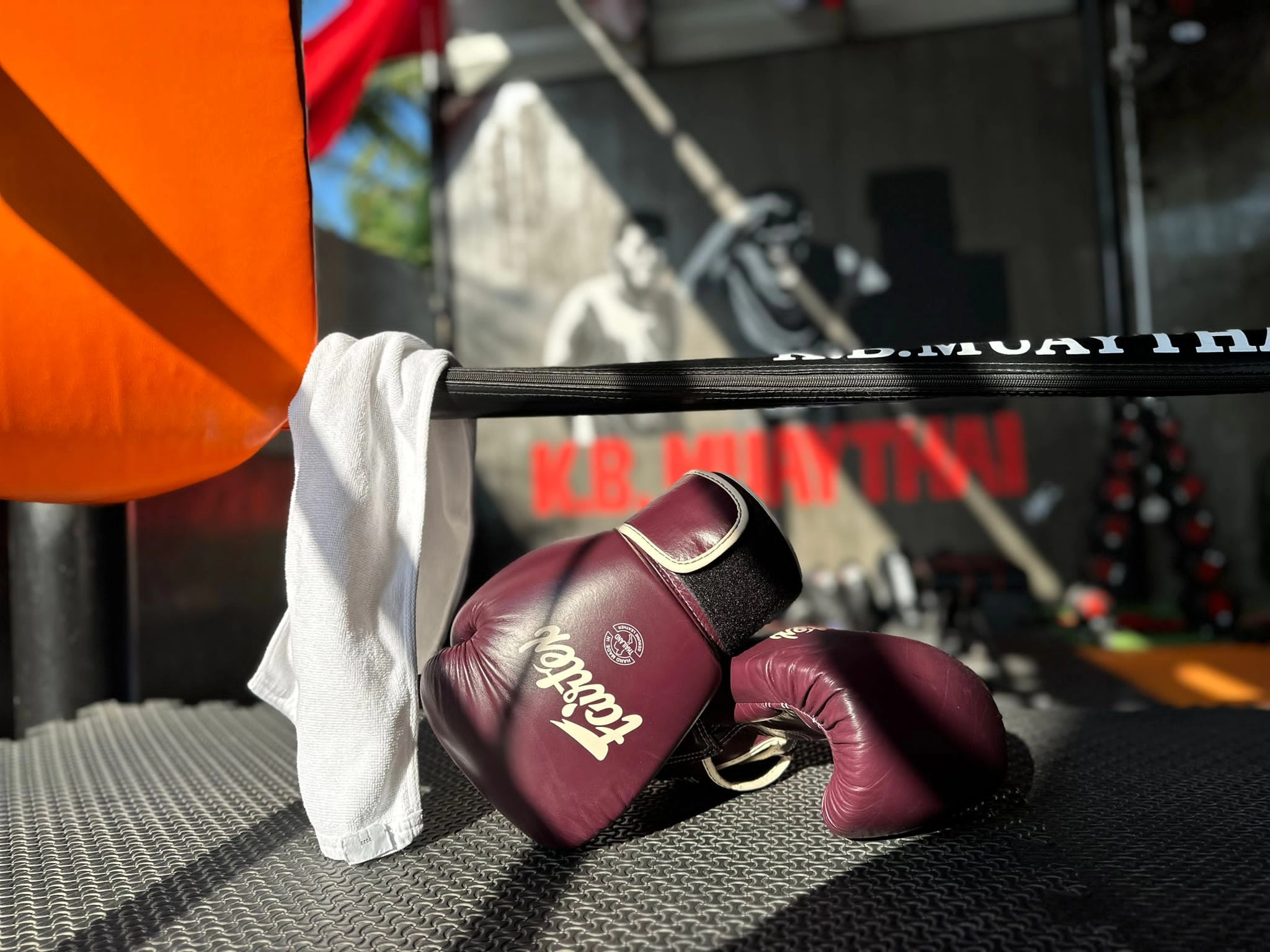
Some of Thailand’s most respected Muay Thai gyms are based in Rawai, attracting everyone from pro fighters to first-timers. With full-time training camps, drop-in classes, and group fitness programs, the combat community is strong, international, and surprisingly supportive.
You’ll also find boxing, BJJ, and MMA cross-training options throughout the Saiyuan corridor.
🧘 Yoga, Pilates & Breathwork
Hidden in the back sois and tucked above cafes, you’ll find open-air yoga decks, small group reformer Pilates studios, and guided sessions in breathwork, mobility, and meditation. It’s not just yoga for tourists — many teachers and practitioners live here year-round, creating a consistent, grounded vibe.
🧊 Recovery, Rehab & Longevity
Whether it’s ice baths, infrared saunas, or movement therapy, this area is ahead of the curve. Clinics and studios offer recovery protocols tailored for athletes, remote workers, and long-haul expats — often blending Thai healing practices with modern mobility science.
🍽️ Health Food & Social Spots
Saiyuan in particular is packed with smoothie bars, breakfast cafes, homemade bakeries, and specialty coffee. From oat-milk lattes to raw desserts and high-protein meal plans, this part of the island caters to people who care about how they feel, and want to share it over breakfast.
It’s a place of rhythm.
Morning training sessions give way to lazy seafood dinners on Rawai beachfront, sunset strolls to Promthep Cape, and casual community meetups over weekend brunch or live music nights.
This is what sets Phuket South apart: it’s not trying to be flashy — it’s trying to be livable. The kind of place where you can train hard, eat clean, and still enjoy a few beers with friends at a beach bar before heading home to your villa in the hills.
👨👩👧👦 Who Lives Here?
Phuket South has evolved beyond the typical expat retirement story. Today you’ll find:
- Mid-30s digital nomads setting up base for 3–12 months
- Young families choosing quieter villa life over condos in the north
- Russians, French, and Eastern Europeans with seasonal routines
- Thai homeowners and small business owners who’ve been here for decades
- A growing number of lifestyle investors renting out villas and living part-time
Unlike more transient tourist hubs, this area has depth — it’s not just where people visit, it’s where they stay.
💰 Property Market Overview: What Buyers Should Know
Phuket South — encompassing Rawai, Nai Harn, and the surrounding hillside zones — has evolved into one of the island’s most active and diverse property markets. It attracts everyone from mid-range villa buyers to yield-focused Airbnb investors and digital nomads looking for long-stay condos that feel more like home than hotel.
Here’s what’s shaping the market today:
👥 Buyer Profiles
You’ll find three dominant buyer types in this area:
- Mid-range villa buyers: Typically foreigners relocating full- or part-time, seeking privacy, space, and access to amenities. Many come from Europe or Russia, with increasing interest from digital entrepreneurs and crypto investors.
- Long-stay condo hunters: These buyers prefer lower-maintenance lock-and-leave living, often in walkable (or scooterable) distance to the beach or Saiyuan.
- Yield-driven investors: Especially those targeting the Airbnb and short-stay rental market, looking to blend capital appreciation with daily or weekly income.
🏡 Villa Demand: The Reign of the Private Pool
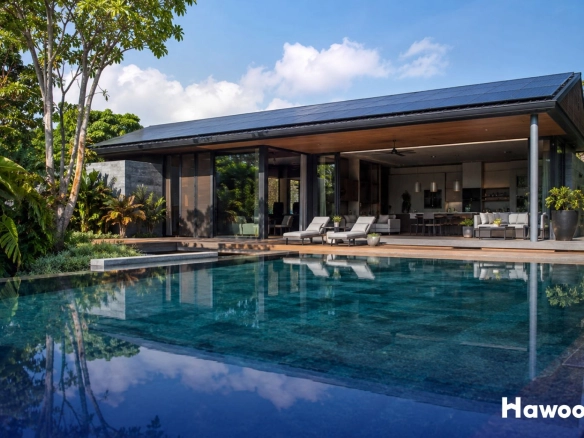
In Nai Harn and the surrounding backroads, pool villas are the gold standard. They dominate the inventory because that’s what people want — especially families, couples relocating, and anyone staying longer than a holiday week.
- Most villas range from 2–4 bedrooms, with private pools, walled gardens, and parking
- Land plots are generally modest (250–600 sqm), but layouts are smart and functional
- Newer projects often focus on sleek tropical-modern design, with indoor-outdoor flow, solar options, and upgraded finishes
Villas also give owners the flexibility to live in, rent out, or do a bit of both, which is especially attractive for hybrid investors or seasonal residents.
🏢 Condos: Compact, Convenient, and Closer to Action
Condominium projects tend to cluster along Wiset Road, Soi Saiyuan, and the Rawai beachfront, where zoning is more condo-friendly. Here, you’ll find:
- Studio to 2-bed layouts (35–80 sqm)
- Mid-rise buildings (4–7 floors) with pools, gyms, and co-working corners
- Lower price entry points, ideal for first-time buyers or digital nomads
- Higher rental yields (on paper) due to accessibility and demand
Condos can be fully foreign-owned under Thai law (49% of total building floor area), making them a popular legal path to ownership for foreign buyers.
📉 Land vs Built Inventory
Available land plots in this area are becoming scarcer — especially in prime hillside or walk-to-beach locations. Rawai still has some quiet pockets with undeveloped land, particularly behind Saiyuan or toward Mangosteen hill. But much of what’s left is either fragmented, expensive, or already controlled by developers.
Built villas and resale units dominate the current listings. Buyers often choose between:
- New off-the-plan villas (1–2 year delivery)
- Resale properties with rental history
- Boutique condo units in completed developments
Land prices have steadily risen over the last 5–7 years, making resale opportunities — if well-located — attractive for value-focused buyers.
📈 Price Trends (2024–2025 Snapshot)
- Villas: 15–24M+ THB for high-quality 3–4 bed units in Rawai or Nai Harn
- Condos: 3.5–8M THB depending on size, view, and walkability
- Land: 15–25k THB/sqm for prime residential plots, higher if sea-view or rare zoning
Prices dipped slightly during COVID but rebounded strongly in 2022–2024. There’s still upward pressure, especially on villas and vacant land driven by foreign demand and limited new supply in top micro-locations.
💼 Rental Performance
Short-term rentals are strong performers in this region — especially pool villas and stylish condos close to Nai Harn or Saiyuan.
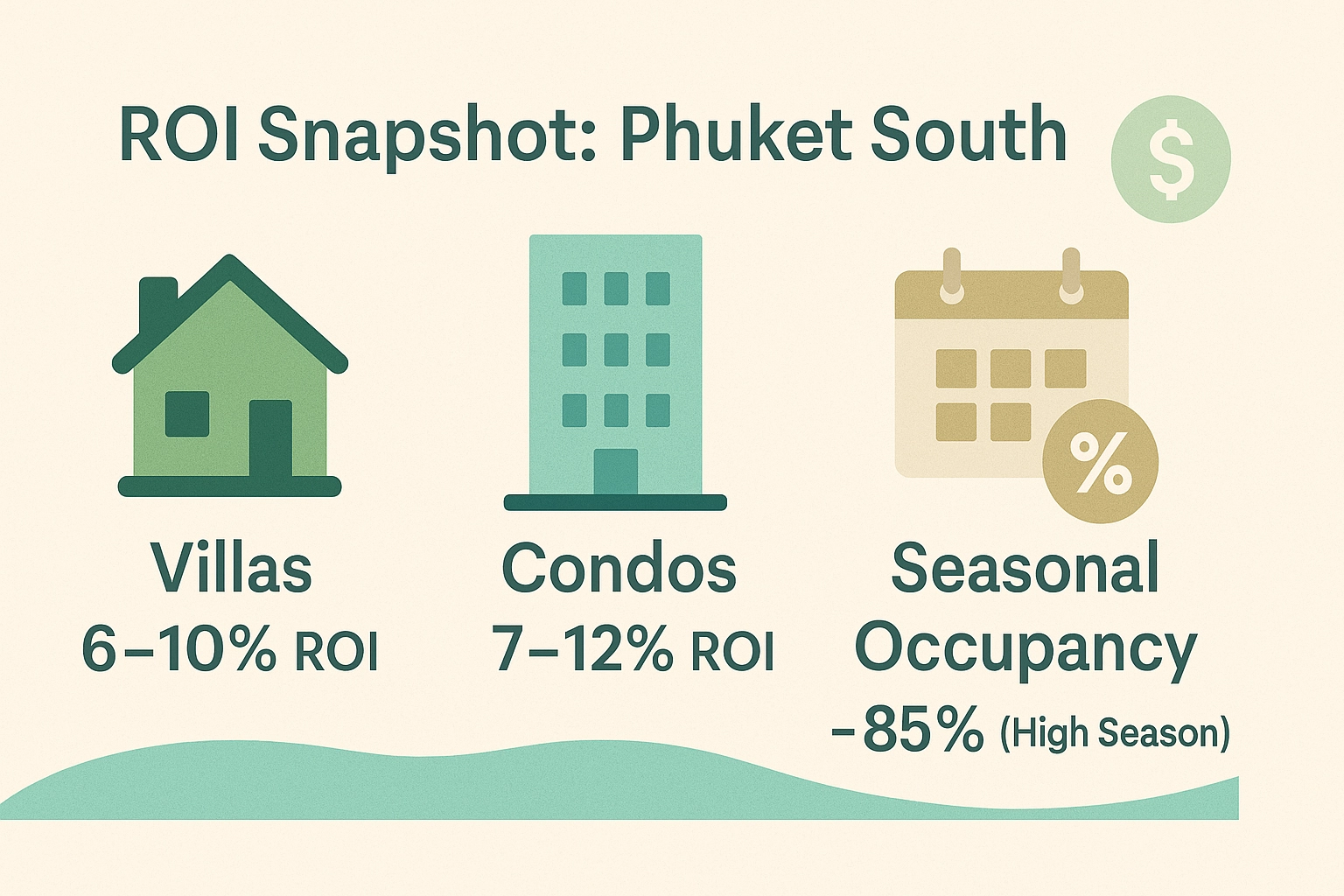
- High season (Nov–Mar) sees 80–95% occupancy for well-managed properties
- Mid-tier villas can generate 8–10% gross yield with active Airbnb strategy
- Condos near Rawai perform well with long-stay digital nomads during shoulder seasons
- Management is key — and we’ll be reviewing top local property managers in an upcoming feature
Long-term rentals are also stable, with 1–3 year leases increasingly common among remote workers and foreign families.
Infrastructure and Growth: Quiet Momentum in the South
While Phuket South doesn’t have the fanfare of Bang Tao’s mega-malls or airport-adjacent developments, there’s a steady undercurrent of growth here — driven not by big brands, but by livability, reinvestment, and a thriving community of long-stay residents.
🛣️ Roads Are Getting Better — Slowly But Surely
The main arteries feeding this area — Wiset Road, Saiyuan Road, and the route between Nai Harn and Kata — have seen consistent improvements over the last few years. Potholes are filled faster, intersections have been upgraded, and new turn-offs have reduced bottlenecks near the Chalong Circle.
- Saiyuan Road in particular has become more polished, better lit, and safer — helping support the growing volume of scooters, service traffic, and villa access roads.
- The back road from Nai Harn to Kata is still a bit wild at time, but popular with locals for its scenery and ease of access during high season.
While you’re not getting mass-scale highways, this incremental upgrade approach has made the south far easier to navigate year-round.
🏫 Access to International Schools
If you’re planning to live here or cater to long-term tenants, school access matters — and Phuket South holds up well:
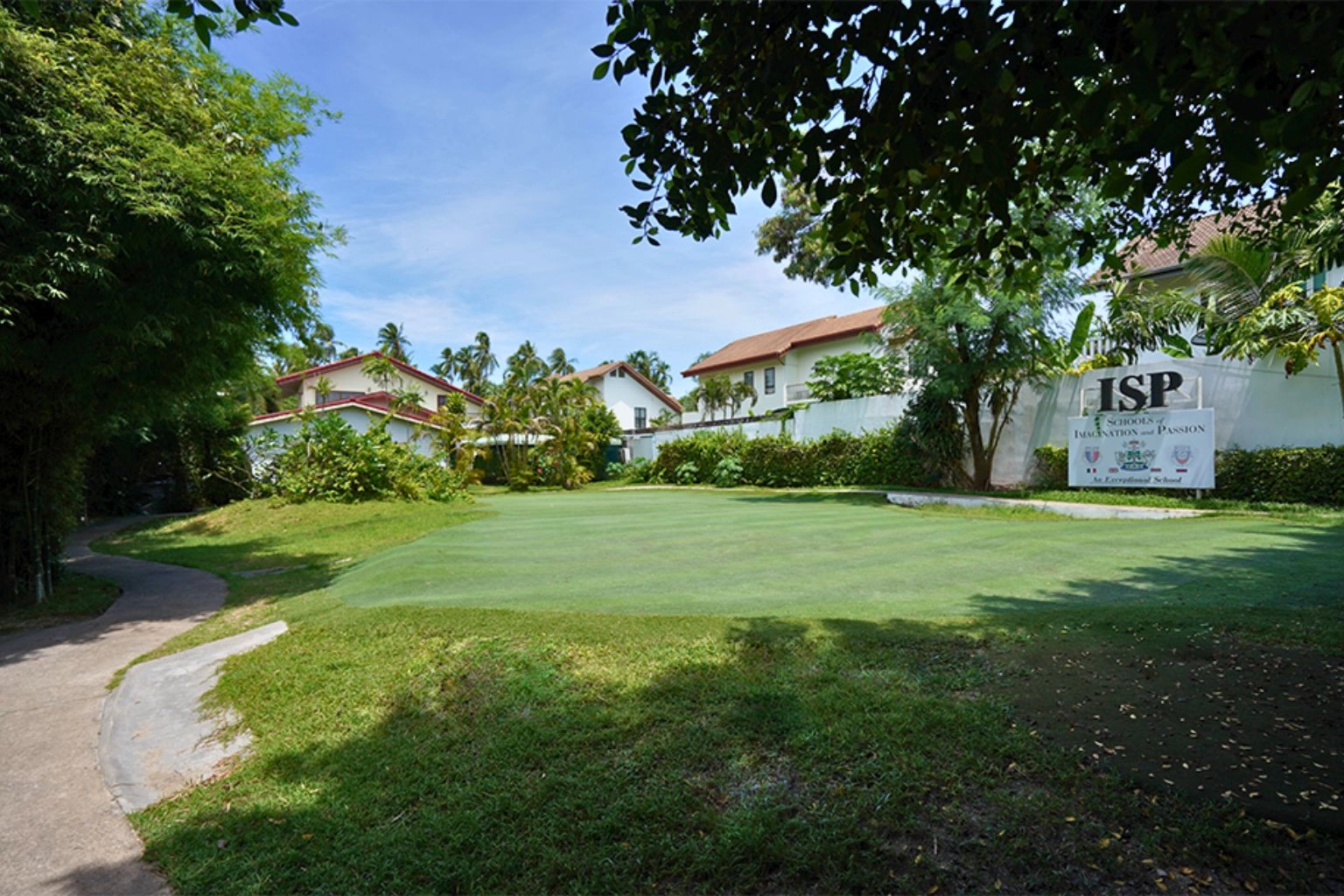
- ISP (International School of Phuket) is just 10–15 minutes away and growing in reputation, with a full IB curriculum and expanding campus.
- Lighthouse International School, near the Chalong Circle, is smaller but offers bilingual education and flexible programs for international families.
Other major schools like BCIS, HeadStart, and Kajonkiet are reachable within 25–35 minutes, realistic for villa-based families seeking more space and value outside of central Phuket.
💻 Digital Nomad Appeal
This isn’t Chiang Mai or Canggu, but it’s not trying to be. Phuket South attracts a slightly older, more established nomad crowd: founders, remote workers, and creative freelancers who are here to live well and work consistently.
- Coworking spaces in the Saiyuan area cater to short- and long-term professionals
- Dozens of cafes with fast Wi-Fi and power outlets make mobile work easy
- The walkability factor is limited, but scooter culture fills the gap, and clusters like Nai Harn Lake and Rawai beachfront feel village-like and social
It’s not “digital nomad” in the influencer sense — it’s more quiet productivity and balance, with surf breaks and recovery saunas on your lunch break.
🍽️ Food, Wellness & Fitness Ecosystem
Phuket South’s wellness scene is driving micro-level economic growth:
- New gyms and recovery studios are opening yearly
- Restaurants are targeting health-conscious, long-stay consumers, not just tourists
- Boutique businesses like acupuncturists, birth doulas, and breathwork guides are thriving — creating both lifestyle depth and economic vibrancy
Where a few years ago there were just Muay Thai gyms and smoothie bars, now there’s CrossFit, cold plunge circuits, strength and mobility studios, and an entire new tier of higher-end health-focused restaurants.
This ecosystem is self-reinforcing — and it’s drawing more entrepreneurs, practitioners, and property developers into the area.
🔭 Planned Projects & Long-Term Growth Signals
There are no billion-baht infrastructure headlines here — but several smaller-scale projects and trends are shaping the future:
- The Rawai Municipality continues to improve drainage and coastal infrastructure, especially near Nai Harn and the Rawai beachfront zone.
- Marina expansion and water access projects near Chalong Bay could drive more boat-based tourism and waterfront value.
- Ongoing zoning revisions and villa development approvals suggest that hillside builds and higher-density condo zones are likely to continue — though land scarcity will become a real constraint.
Combined, these point to a region that’s not booming — but steadily maturing. And for buyers who value long-term potential over short-term hype, that’s exactly what you want.
Notable New Developments
As Phuket South continues to attract lifestyle buyers and long-term investors, a wave of thoughtful new developments is reshaping the area — from boutique villa compounds in the hills to walkable beachfront condos near Rawai.
We’ve curated a shortlist of standout projects that reflect the best of what’s coming: smart design, strong locations, and developer credibility. Whether you’re looking for a future home, a lock-and-leave getaway, or a property that works well on Airbnb, there’s something here worth exploring.

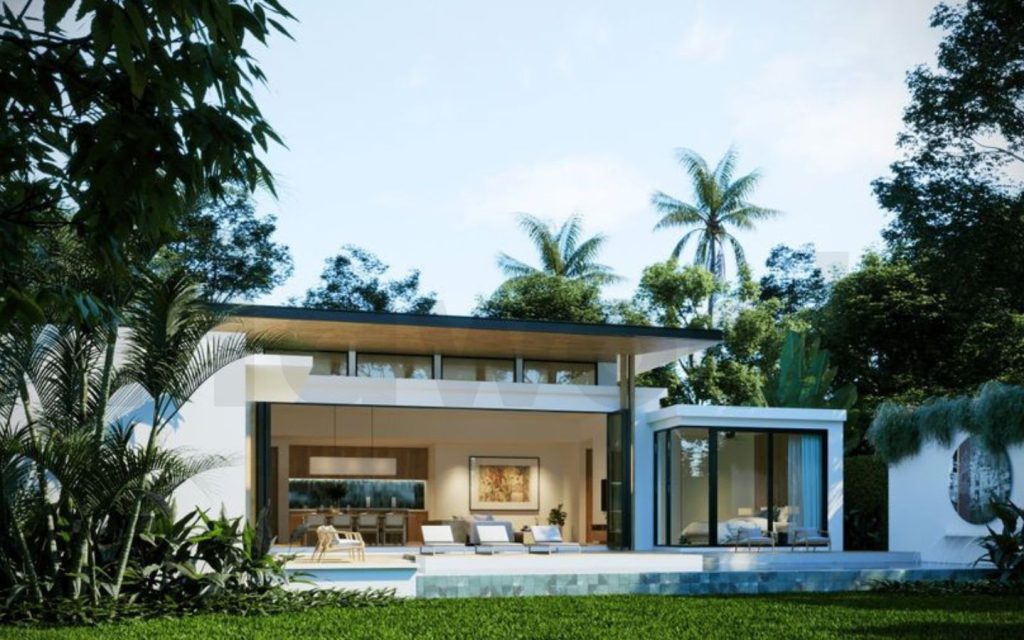

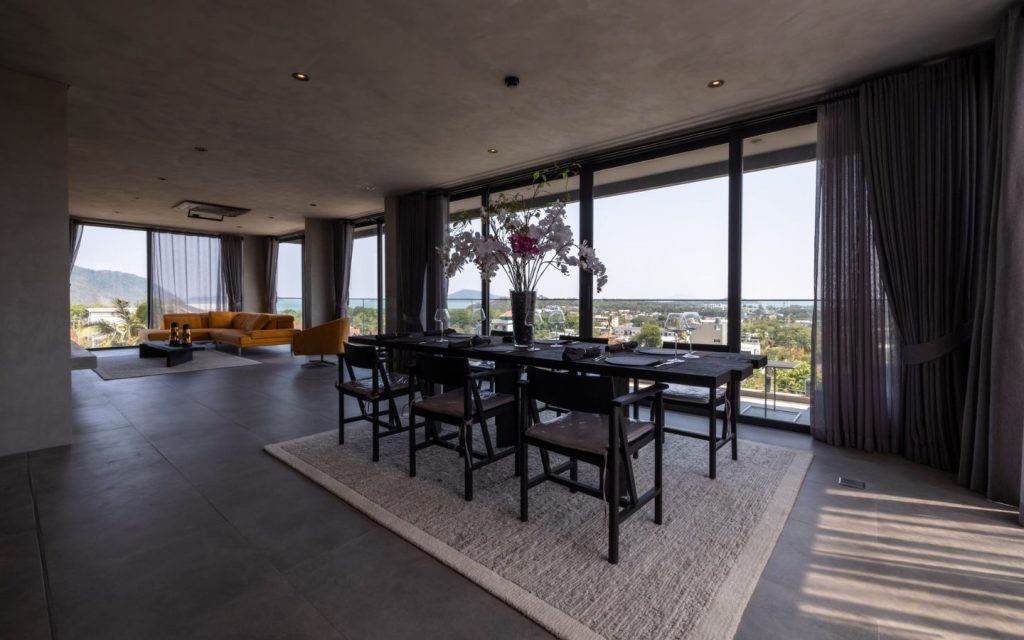
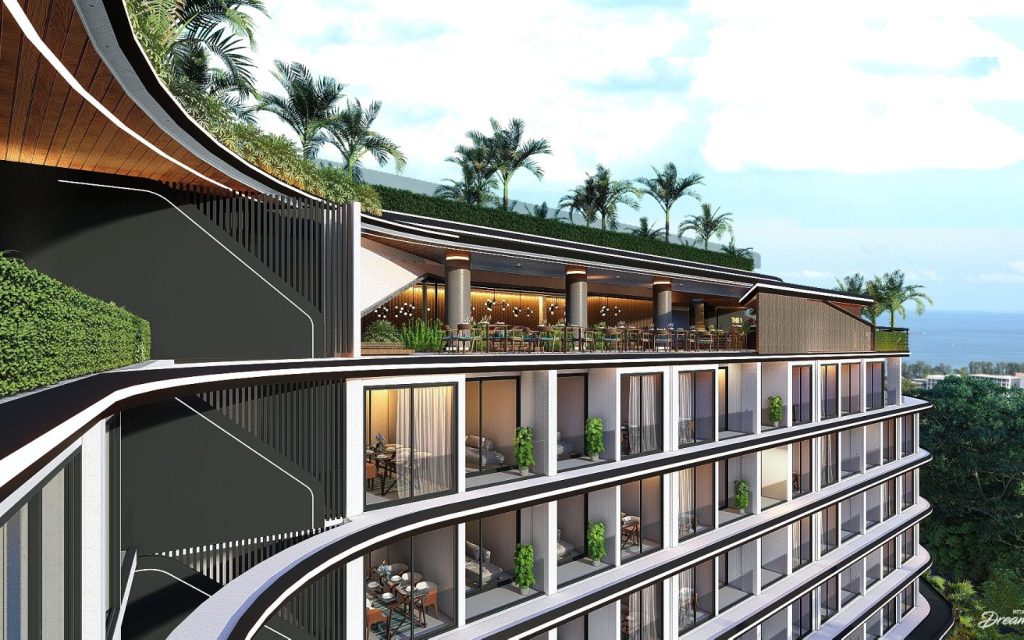

Here are a few of the key projects currently on our radar:
Rawayana Beachfront Village
- 📍 Eastern end of Rawai Beachfront
- ✅ Mixed-use development with retail, condos, and luxury villas
- 💬 A game-changer for this part of Rawai — integrating lifestyle, convenience, and beachfront walkability
- 🏙️ Features include MIXX Mall with Tops Supermarket, 500 underground carparks, future international school, and three zones:
- North & South: Mid-rise condominiums
- East: High-end private villas
- North & South: Mid-rise condominiums
- 🚶♂️ Directly across from the beach — one of the most walkable zones in southern Phuket
Dominion Rawai
📍 Just 200m from Rawai Beach, steps from MIXX Mall and Rawai Park
✅ Low-rise condominium with 68 fully furnished units, ideal for long-stay or investment
💬 Offers walkable lifestyle, guaranteed rental return, and flexible financing options
🏠 Studios to 2-bedroom units | 31–65 sqm | Fully furnished with kitchen and appliances
💰 Starting from ฿4.47M (studio) | 1BR from ฿6.5M | 2BR from ฿8.5M
📅 Completion: Q1 2026
💼 Foreign freehold available | 8% rental guarantee or 70/30 rental pool
💳 Financing: Pay 60% during construction, 40% after handover (up to 10 years, 2.5% interest)
Monetaria Villas
📍 Peaceful location in Rawai, just a few minutes from Nai Harn Beach
✅ Boutique gated community of 35 private pool villas
💬 Designed for modern living with tropical luxury and high-spec finishes
🏠 3–4 bedroom pool villas | Built-up: 274 to 375 m² | Land: 320 to 520 m²
💰 Starting from ฿22.5M
📅 Completion: Ready to move in (Built & furnished)
💼 Freehold & leasehold options available | Customization possible during pre-sale phase
💳 Staged payment plan available during build process
The Residence on Mangosteen
📍 Soi Mangosteen, Rawai — 5 mins to Rawai Beach, 7 mins to Nai Harn
✅ Ultra-luxury penthouse development with just 5 private residences
💬 Each unit takes an entire floor with private lift access, plus a rooftop sanctuary with infinity pool, sauna, steam room & ice bath
🏠 2- and 3-bedroom layouts | Fully furnished | Move-in ready
💰 Generating 12–14% annual ROI via long-term rentals
📅 Completed and available now — only 3 units remaining
💼 Developed by a Thai-Australian team with 30+ years of experience in high-end builds
The One Nai Harn
📍 Just 800m from Nai Harn Beach, nestled in a quiet residential pocket
✅ Resort-style condominium with hotel-level amenities and rental program
💬 Great for investors and lifestyle buyers seeking proximity to Nai Harn and managed rental options
🏠 Studios to 2-bedrooms | 27 to 70 m² | Fully furnished with balconies
💰 Starting from ฿4M
📅 Completed Q4 2025
💼 Rental management available | Foreign freehold and leasehold options
💳 Flexible staged payment options on remaining units
Babylon Sky Garden II
📍 Southern Phuket, Rawai — ~250 m from Rawai Beach, overlooking Chalong Bay & Koh Lone Island
✅ A boutique development of 49 sea‑view apartments across five stories, blending modern Italian aesthetics with traditional Thai hospitality
💬 Promises serene coastal living yet remains close to Rawai’s seafood scene, cafes, shops, international schools and key amenities
🏙️ Features:
- Studios, 1‑ and 2‑bedroom units (43–147 sqm), select suites with private pools
- “Living terraces” for indoor‑outdoor lifestyle in every unit
- Two pools (garden‑level & rooftop), sky‑garden infinity pool (62 sqm), gym, tropical garden, bar, kids’ pool, 24‑hour security & parking
💰 Pricing ranges from approx. ฿3.49 M (studio) to ฿22 M+ (2 BR duplex private‑pool), USD 145 K–658 K
📅 Construction started late 2023, expected completion: Q4 2025. EIA approved; off‑plan sale open to foreign freehold (up to 49%)
Each of these developments brings its own personality — but they all share one thing: they offer a gateway into Phuket South’s unique blend of lifestyle and livability.
If you’d like more details, floorplans, or introductions to trusted agents and developers, just get in touch or subscribe to our newsletter for launch updates and gated brochures.
Pros, Cons, and Buyer Tips
Phuket South — combining Rawai, Nai Harn, and the surrounding hills — offers one of the island’s most livable environments and diverse real estate markets. But like anywhere, knowing the nuance is key. Here’s how to weigh the pros and cons — and navigate the area like someone who’s been here a while.
✅ Why Phuket South Works for Lifestyle-Led Investors
- Balance of calm and convenience: You’re not isolated, but you’re not in the chaos either. Everything you need is within 5–10 minutes.
- Attractive to long-stay renters: Digital nomads, seasonal families, and repeat visitors love this area — making it ideal for mid-to-high-end rentals.
- Consistent demand for villas: The 2–4 bedroom pool villa remains a gold standard for buyers and renters alike.
- Wellness and fitness draw: This is a lifestyle zone. That makes it sticky. People come here for a season and end up staying longer than planned.
- Rising but still accessible: Compared to Bang Tao or Kamala, land and villa prices here remain (relatively) reasonable — especially for sea-view or garden plots in the hills.
❌ What to Watch Out For
- Zoning quirks: While much of the area is residential-friendly, some plots (especially near the beachfront or high up in the hills) may have restrictions on build height, density, or ownership structure. Always verify before you buy.
- Drainage and runoff: In certain lower-lying streets — especially in Rawai flatlands — heavy rain can bring flash floods or pooling. Look for developments with proper storm drainage systems and elevated plot design.
- Resale liquidity: The villa market here is healthy, but it’s not hyper-liquid. You may wait 6–12 months to sell a property — especially at the higher end — so invest with a 3–5 year mindset.
- Overbuilding risk in some pockets: Areas around Saiyuan and the road to Nai Harn have seen lots of low-rise condos and villa builds. Quality and spacing vary. Stick with trusted developers.
🛂 Tips for Foreign Buyers
- Ownership: Foreigners can buy condos freehold, but for villas you’ll likely purchase on a long-term leasehold (30 + 30 + 30 years) or through a Thai company. Top-end developers like Botanica and Anchan typically structure secure leaseholds for foreigners — a sign of credibility.
- ROI strategy: Expect gross yields of 6–10% on short-term villa rentals if well-managed. Condos closer to the main roads or beachfront can also do well with long-stay tenants.
- Work with a reputable agent or lawyer: This market is friendly but informal. Don’t rely solely on the sales rep at the gallery. Get contracts reviewed. Ask what’s included. Compare resale vs new-build.
🧭 Local Living Tips
- Soi Saiyuan is your spine: It connects everything. Whether you’re living inland or near the beach, you’ll pass through here — it’s where the action is.
- Tuk-tuks exist, but don’t count on them: This isn’t Patong. Everyone has a scooter or a car. Relying on taxis or tuk-tuks is slow and expensive — unless you’re only doing dinners out.
- Peak season traffic gets tight: From December to March, expect slower drives near Nai Harn and Rawai beachfront, especially weekends and sunsets.
- Evening rhythm matters: Rawai wakes up early and winds down early. By 9pm, it’s mostly calm. Plan your social life accordingly.
Whether you’re buying for lifestyle, income, or future relocation, Phuket South offers a real sense of place — one where you don’t feel like a guest, you feel like a resident. It’s imperfect, organic, and still growing — and that’s what makes it work.


Join The Discussion