

Thinking about Phuket Property Investment in 2026? This guide breaks down where rental yields actually come from, beyond the headline numbers. We look at seasonality, tenant types, condos vs villas, gross vs net returns, and the common mistakes investors make. Clear, practical, and grounded in how the market really works, so you can assess returns with realistic expectations and a long-term mindset.
Table of Contents
Earlier this year, a friend visited Phuket in January. Beach clubs were full. Restaurants had waiting lists. His Airbnb host mentioned they were “fully booked for months.” By the third day, he was browsing listings and talking about how strong Phuket rental yields in 2026 must be.
It’s an easy conclusion to draw during high season. When occupancy is high and nightly rates look impressive, the numbers seem simple. Buy a unit. List it. Watch it fill up.
But Phuket doesn’t run on one season. And rental income doesn’t run on one month.
That’s where a lot of expectations around Phuket property investment in 2026 start to drift away from reality. The Phuket real estate market in 2026 is active and evolving, but returns don’t come from peak pricing alone. They come from how a property performs across the entire year, including the quieter months when demand softens and rates adjust.
Yields also don’t come from a single advertised percentage on a brochure. They depend on location, unit type, tenant mix, management quality, and how realistic the occupancy assumptions are.
If you’re looking at Phuket as an investment market, the better question isn’t “What’s the yield?” It’s “Where does that yield actually come from?”
That’s what we’re going to unpack.
Why Phuket Still Attracts Property Investors in 2026
If you strip away the headlines and sales talk, Phuket still attracts attention for fairly practical reasons.
Tourism has recovered, but it has also diversified. It’s no longer driven by just one or two source markets. Visitors now come from a wider mix of countries, and travel patterns are less concentrated around package holidays. That matters because a broader visitor base tends to support more consistent demand across the year. For anyone looking at Phuket property investment in 2026, that consistency is part of the appeal.
But tourism is only one layer.
Phuket has also become a long-stay destination. Digital nomads, remote workers, retirees, and families relocating for lifestyle reasons are staying for months, not just weeks. International schools are expanding. Coworking spaces are full. Cafés in certain areas are busy on weekday mornings, not just weekends. That shift supports mid-term and long-term rental demand, which plays directly into more stable property ROI in Thailand.
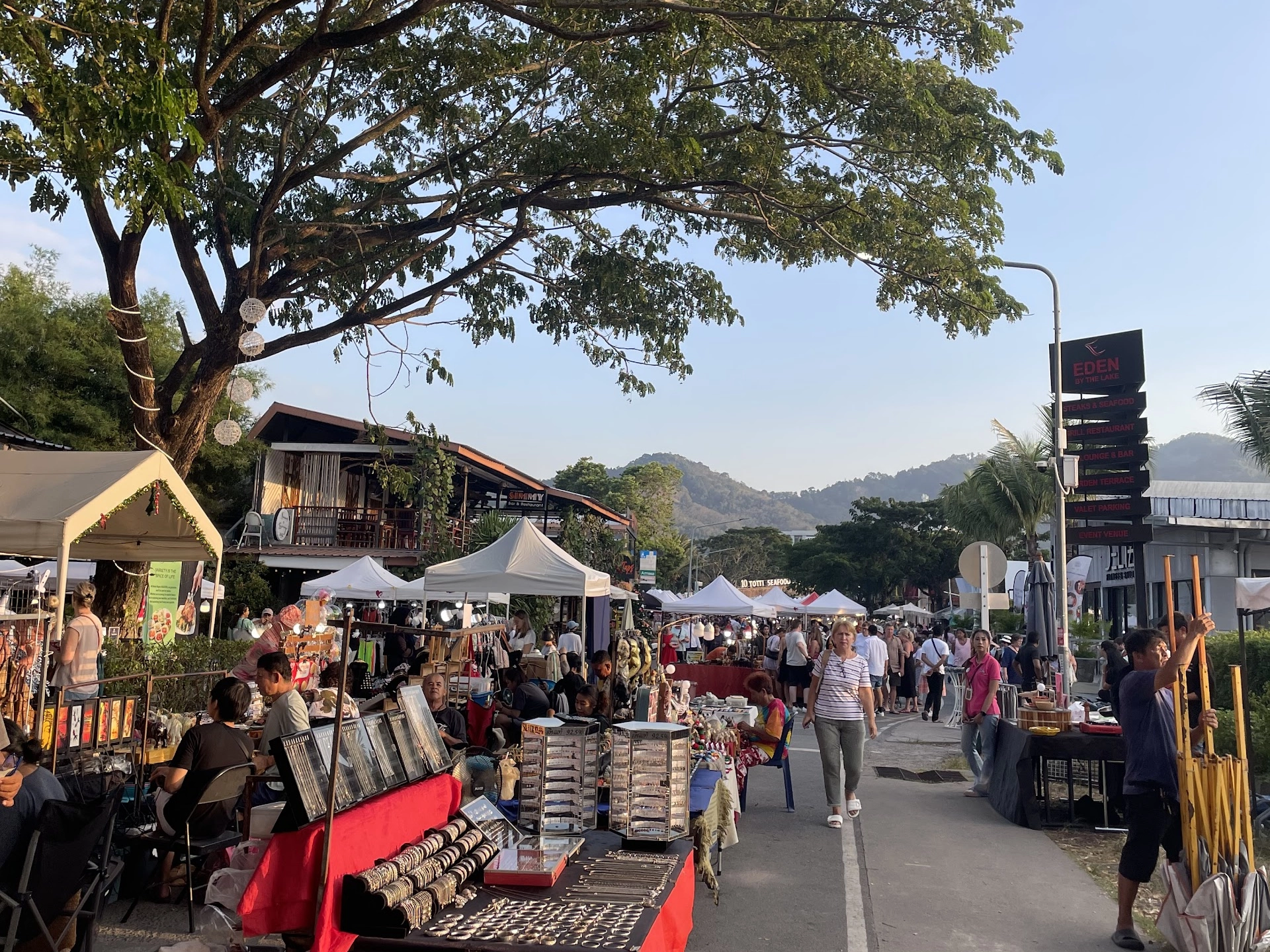
The Phuket real estate market in 2026 reflects this change. You see more mixed-use developments, more managed condominiums designed for rental, and more villas built with long-stay comfort in mind. Infrastructure improvements, including road upgrades and airport expansion plans, also reinforce the island’s position as a long-term base rather than just a holiday stop.
If you compare Phuket to a city like Pattaya, for example, the difference becomes clearer. Pattaya has strong tourism, but Phuket combines tourism with a more established expat ecosystem and stronger lifestyle positioning. It feels less transient. That translates into a broader tenant mix.
What makes Phuket different from other Thai markets:
- An international airport with direct global access
- A mature short-term rental ecosystem
- Strong expat and long-stay communities
- International schools and private hospitals
- A mix of beach lifestyle and everyday infrastructure
None of this guarantees returns. Markets move. Demand shifts. But the reason Phuket remains on investor radar in 2026 is simple. It isn’t just a holiday island anymore. It’s a hybrid market, part tourism, part residential lifestyle base. That mix is what continues to support interest in Phuket property investment in 2026, especially for buyers thinking beyond a single peak season.
Who Actually Rents in Phuket (And Why That Matters for Yield)
When people talk about rental returns, they often focus on the property itself. One-bedroom or two-bedroom. Sea view or garden view. Condo or villa.
But yield doesn’t start with the unit. It starts with the renter.
In Phuket, there isn’t just one type of tenant. And the mix you attract will shape your annual performance more than most buyers expect.
Short-Term Holiday Renters
This is what most investors picture first. Tourists booking through platforms, staying anywhere from a few nights to a couple of weeks.
Short term rental yield in Phuket can look attractive on paper, especially during high season. Nightly rates rise. Occupancy increases. Calendars fill quickly in popular areas like Bang Tao or Patong.
The challenge is consistency.
Airbnb seasonality in Phuket is real. High season carries a large part of the year. Shoulder months can still perform reasonably well. Low season is where the pressure shows. Pricing often adjusts. Booking windows shorten. Some properties sit empty longer than owners expected.
That means your occupancy rate in Phuket isn’t evenly spread across twelve months. It fluctuates. If your numbers rely too heavily on peak months, the annual yield can compress.
Short-term rentals can generate strong revenue, but they require active management, competitive pricing, and realistic expectations about quieter periods.
Mid-Term Digital Nomads
This segment has grown steadily over the past few years.
Remote workers, entrepreneurs, and online business owners often stay for one to three months. They want reliable WiFi, a comfortable workspace, and a good location near cafés or coworking spaces.
From an investment perspective, this group can help smooth seasonality. They may not pay peak holiday rates, but they offer longer bookings and fewer turnovers. That reduces cleaning costs and vacancy gaps.
For some units, especially well-designed condos in lifestyle areas, this mid-term market can quietly support a more balanced annual return. It doesn’t replace short-term demand, but it can reduce reliance on it.
Long-Term Expats and Local Professionals
Then there’s the long-term rental Thailand market. Families with children in international schools. Professionals working in hospitality, healthcare, or marine industries. Retirees settling into island life.
These tenants usually sign six to twelve month contracts. Monthly rent is lower than peak holiday pricing, but stability is higher. You trade upside potential for predictability.
In areas like Phuket Town, Kathu, or Chalong, long-term rentals often dominate. Occupancy tends to be steady. Vacancy gaps are smaller if pricing matches local demand.
Here’s a simple example.
A one-bedroom condo in Bang Tao might perform well as a short-term rental during high season, generating strong monthly revenue. But if low season bookings drop and the owner doesn’t adjust pricing, annual performance may fluctuate. The same unit, rented mid-term to a digital nomad for three months and then to a long-term tenant for six, could deliver a more stable annual yield, even if peak income is lower.
The point isn’t that one strategy is better. It’s that tenant mix directly shapes yield.
Before focusing on projected numbers, it’s worth asking a more basic question: who is most likely to rent this specific property, in this specific location, throughout the year?
Condos vs Villas: Where Do Rental Returns Really Come From?
When people explore buy to rent Phuket options, this is usually the first fork in the road. Condo or villa.
On the surface, villas look more attractive. More space. Private pool. Higher nightly rate potential. But rental returns are shaped by more than appearance. Entry price, operating costs, tenant type, and liquidity all matter.
The better choice depends on your strategy, budget, and tolerance for variability.
Condo Rental Yield Phuket
Condos tend to have a lower entry price compared to villas in similar areas. That alone changes the yield equation. When the purchase price is lower, it’s often easier to achieve a competitive condo rental yield in Phuket, especially in high-demand zones.
Maintenance is also more predictable. Shared facilities like pools, gyms, and security are handled through common area fees. You still have ongoing costs, but surprise expenses are usually smaller and easier to budget.
Occupancy consistency is another factor. One-bedroom and two-bedroom condos often appeal to a wide range of renters, from short-term holiday guests to digital nomads and long-term tenants. That flexibility can help smooth occupancy across the year.
Management is generally simpler too. Many condominium developments offer rental programs or allow third-party property managers to handle bookings, cleaning, and guest communication. For investors who want something closer to passive income property Thailand, condos can feel more manageable.
Liquidity matters as well. Smaller ticket sizes often mean a broader resale market if you decide to exit.
Villa Rental Returns Phuket
Villa rental returns in Phuket can look strong in peak months. Larger properties command higher nightly rates, especially in areas popular with families or groups.
But entry price is significantly higher. That means your revenue needs to scale accordingly just to match percentage-based yield targets.
Maintenance costs are also more complex. Private pools, gardens, roofing, and standalone utilities require ongoing attention. Repairs tend to be larger and less predictable.
Occupancy can be more seasonal. Villas often rely heavily on holiday demand. In low season, bookings may slow unless pricing adjusts or the property is repositioned for mid-term stays.
Management is usually more hands-on. Marketing, pricing strategy, guest coordination, and property upkeep all require oversight. Some investors hire full-service managers, which adds another layer of cost.
Here’s a simplified comparison:
| Factor | Condos | Villas |
| Entry price | Lower | Higher |
| Maintenance costs | More predictable | Higher and variable |
| Occupancy consistency | Generally steadier | More seasonal |
| Management complexity | Often simpler | More involved |
| Liquidity | Broader resale market | Narrower buyer pool |
Neither approach is automatically better. Condo rental yield in Phuket may suit investors seeking steadier occupancy and simpler operations. Villa rental returns in Phuket may suit those comfortable with higher variability and active management.
The key is aligning the asset with your expectations, not the other way around.
Phuket Rental Yields 2026: The Seasonality Reality
When people talk about Phuket rental yields in 2026, the conversation often starts in January or February. That’s when the island feels full. Flights are busy. Restaurants are booked. Nightly rates are at their highest.
It’s easy to calculate returns based on those months.
The problem is that Phuket doesn’t operate at peak pace all year.
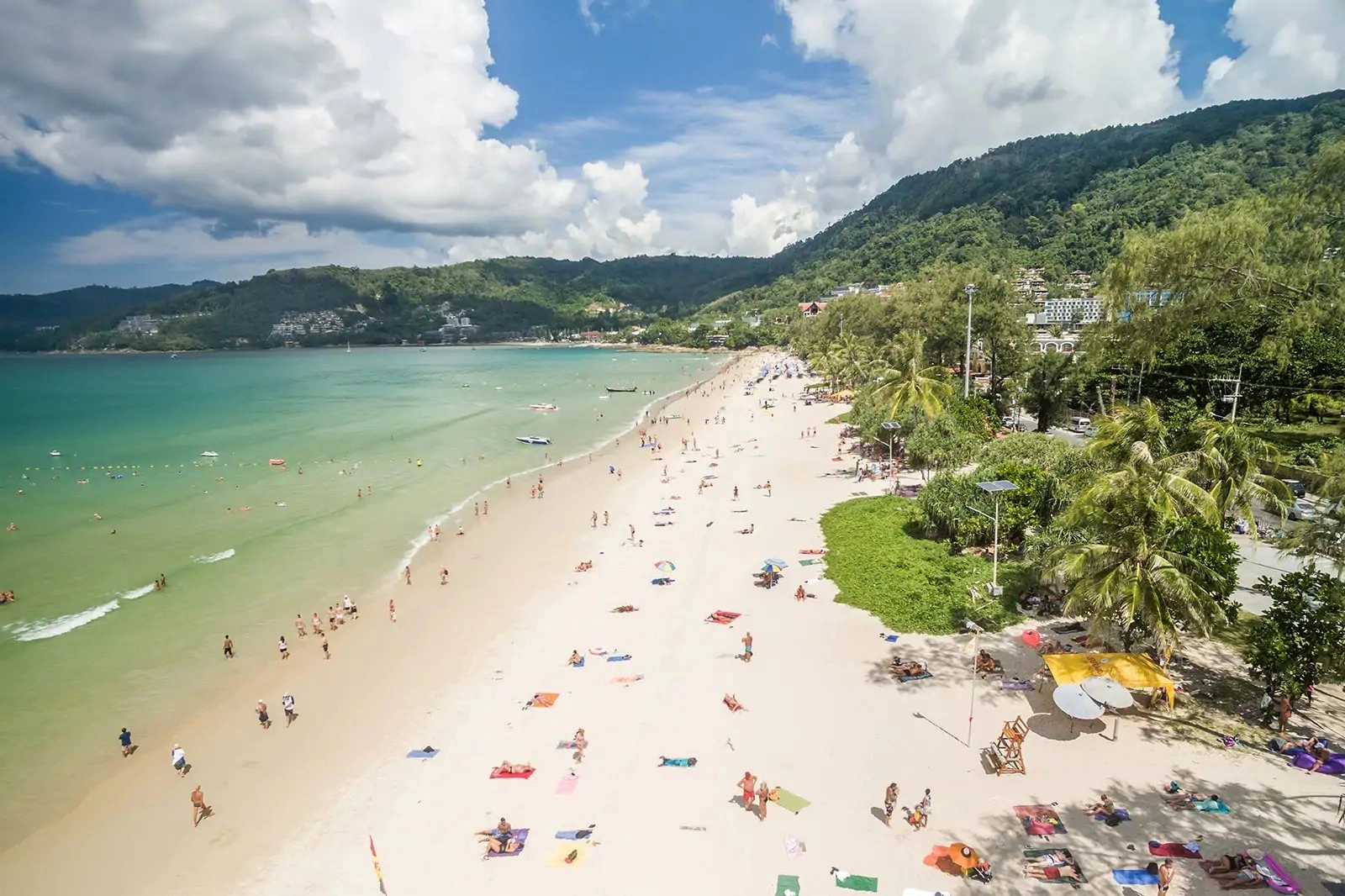
High season brings strong occupancy and stronger pricing. For short-term rentals, this period can generate a significant portion of annual rental income in Thailand. But once the calendar moves into the quieter months, demand shifts. Booking windows get shorter. Guests negotiate. Some units sit empty between stays.
Airbnb seasonality in Phuket follows a pattern most owners eventually learn. A few strong months carry the year. Shoulder months require active pricing. Low season tests how realistic the original projections were.
Peak pricing is often misleading because it reflects ideal conditions. A fully booked month at high nightly rates looks impressive in isolation. But annual yield is built across twelve months, not just three or four. If low season occupancy drops and fixed costs remain, the difference shows up in your net return.
Cash flow is where this becomes practical. Management fees, utilities, maintenance, and sinking funds don’t pause during quieter months. Even if income slows, expenses continue. That’s why looking only at top-line revenue can distort expectations around Phuket rental yields in 2026.
A simple shift in perspective helps. Instead of asking, “What does this property earn in January?” ask, “How does this property perform across the full year?”
Before relying on projected yield, it’s worth clarifying a few basics:
What to ask before believing projected yield
- Is the yield based on peak season pricing or annual averages?
- What assumptions are used for occupancy rate in Phuket during low season?
- Are management and operating costs included in the projection?
- Has pricing been adjusted to reflect realistic demand cycles?
- How did comparable units perform over a full twelve months?
Seasonality isn’t a flaw in the market. It’s part of how a tourism-driven location functions. The key is building expectations around the full cycle, not just the busiest stretch.
Gross vs Net Rental Yield in Thailand
This is the part many investors skim over.
When you see projected returns for Phuket investment property returns, they’re often presented as a single percentage. It looks clean and straightforward. But that number is usually gross yield, not net.
Here’s the simple difference.
Gross yield is annual rental income divided by the purchase price. No deductions. Just total rent collected over a year compared to what you paid for the property.
Net yield is what’s left after expenses. And that’s the number that actually affects your bank account.
In the gross vs net rental yield Thailand conversation, the gap between the two can be meaningful.
Expenses that reduce yield typically include:
- Property management fees
- Cleaning and maintenance
- Common area fees
- Utilities for short-term rentals
- Platform commissions
- Repairs and replacements
- Vacancy periods
None of these are unusual. They’re part of operating a rental property. But they’re often not included in headline projections.
For example, a condo might show an 8 percent gross yield based on expected annual bookings. On paper, that looks strong. But once management fees, cleaning, and ongoing maintenance are deducted, the net yield may settle closer to 5 or 6 percent. If there are unexpected repairs or lower occupancy during low season, that number can compress further.
This isn’t a negative reflection on the market. It’s simply how rental property works.
If you’re aiming for passive income property Thailand, the key is to focus on net performance. Gross yield helps compare properties at a high level. Net yield tells you what you’re actually earning after costs.
When reviewing any projection, it helps to ask one direct question: are these numbers gross or net? That clarification alone can prevent unrealistic expectations around Phuket investment property returns.
Common Phuket Property Investment Mistakes in 2026
Most investment mistakes in Phuket don’t come from bad intentions. They usually come from incomplete information or overly optimistic assumptions. After seeing how different properties perform across the island, a few patterns show up consistently.
Buying Based on Peak Season Only
High season can be persuasive. Units are fully booked. Nightly rates look strong. Agents highlight recent performance from the busiest months.
The issue is that Phuket operates on a cycle. A condo that looks impressive in January may tell a different story in September.
I once reviewed numbers for a buyer who calculated projected income using only high-season rates. On paper, the yield looked healthy. When we mapped the same property across twelve months, including slower periods, the annual figure dropped noticeably.
Peak months matter. They just shouldn’t be the only reference point when estimating Phuket investment property returns.
Ignoring Management Quality
Two similar units in the same building can produce different results. Often the difference is management.
Responsive pricing, professional photos, guest communication, and maintenance standards all influence occupancy and reviews. A well-managed condo in one of the best areas to invest in Phuket can outperform a poorly managed unit in the same building.
Some buyers assume management is interchangeable. In practice, it directly affects yield. A small difference in occupancy or pricing strategy over a full year can change net returns more than expected.
Chasing Rental Guarantees
Rental guarantees are common in new developments. They can sound reassuring, especially for first-time investors.
The detail that often gets overlooked is how those guarantees are structured. Sometimes the purchase price reflects the built-in cost of the guarantee. Sometimes usage restrictions apply. Sometimes performance after the guarantee period looks different.
A guaranteed return isn’t automatically a bad thing. But it should be reviewed carefully. Understanding how it impacts long-term performance is more important than focusing on the headline number.
Overestimating Occupancy
Optimistic occupancy assumptions are one of the most common miscalculations.
It’s easy to assume strong demand year-round, especially after visiting during a busy period. But occupancy rate in Phuket shifts depending on season, location, and property type.
A realistic projection builds in vacancy, maintenance downtime, and pricing adjustments. Without those, projected yields tend to look better than actual results.
Buying the Wrong Unit Type
Not every unit suits every location.
A large three-bedroom condo in an area dominated by solo travelers may struggle compared to a well-priced one-bedroom. A high-end villa in a quieter zone may take longer to fill than expected.
Before buying, it helps to look at who actually rents in that area. In some of the best areas to invest in Phuket, smaller, flexible units often attract a broader tenant pool. Matching property type to demand is more important than choosing what feels impressive.
None of these mistakes are dramatic. They’re usually small assumptions that compound over time. The more realistic the initial expectations, the steadier the long-term performance tends to be.

Best Areas to Invest in Phuket for Rental Yield in 2026
Location still shapes performance more than almost anything else. When people ask about the best areas to invest in Phuket, the real answer depends on what kind of renter you want to attract and how much variability you’re comfortable with.
Different zones serve different tenant types. That directly affects rental style and yield stability.
Bang Tao / Cherng Talay
The Bang Tao rental market has evolved quickly over the past few years. What used to be primarily a holiday zone now supports a mix of short-term tourists, digital nomads, and longer-stay lifestyle renters.
Beach clubs and resorts bring strong high-season demand. At the same time, coworking spaces, international schools, and residential developments support mid-term stays.
For short-term rentals, this area can deliver solid occupancy during peak months. Yield can be attractive, but it’s more exposed to seasonality. Well-managed condos often perform consistently here because they appeal to both holiday guests and remote workers.
Villas also do well in this zone, especially for families or group bookings, but performance tends to fluctuate more across the year.
Phuket Town
Phuket Town functions differently. It’s less about beach holidays and more about everyday life.
Phuket Town expat rentals are often driven by professionals working in healthcare, hospitality, education, and marine industries. Long-term rental Thailand demand is stronger here than short-term tourism demand.
That usually means lower peak pricing but steadier occupancy. Cash flow tends to be more predictable because leases are longer and tenant turnover is lower.
For investors prioritizing stability over seasonal spikes, this part of the island can make sense.
Chalong
Chalong sits somewhere in between.
It attracts families with children in international schools, fitness-focused residents, and mid-term renters. There is some holiday demand, but long-term and mid-term stays are more common.
Yield stability is generally moderate. Not as volatile as pure tourism zones, but not as steady as central Phuket Town either.
Kathu
Kathu is often overlooked but has consistent local demand due to its proximity to schools, golf courses, and employment hubs.
Rental style here leans more toward long-term tenants. That supports steadier occupancy, though headline yields may not look as dramatic as beachfront areas during high season.
Each of these zones can work. The better question is whether you prefer variability with higher upside in strong months, or steadier performance across the year. Location choice should follow strategy, not the other way around.
So Where Do Phuket Property Yields Actually Come From?
By this point, it should be clear that Phuket rental yields in 2026 don’t come from a single percentage on a brochure.
They don’t come from one strong month.
They don’t come from peak-season screenshots.
And they don’t come from assuming every property performs the same way.
In Phuket property investment in 2026, yield is layered. It’s shaped by multiple small decisions that compound over time.
Phuket property yields do not come from:
- Calculating returns using only high-season pricing
- Ignoring low-season occupancy patterns
- Assuming short-term demand stays constant year-round
- Looking only at gross yield instead of net
- Choosing a property type that doesn’t match local tenant demand
- Relying entirely on rental guarantees without understanding structure
On the other hand, more consistent property ROI in Thailand tends to come from fundamentals.
Phuket rental yields in 2026 are more likely to come from:
- Buying in the right micro-location for your target tenant
- Matching unit type to actual renter demand
- Realistic occupancy assumptions across twelve months
- Strong property management and responsive pricing
- Understanding gross vs net income before committing
- Planning for steady performance, not just peak upside
Think of yield as the result of alignment. Location aligned with tenant type. Pricing aligned with seasonality. Costs aligned with realistic expectations.
There’s no shortcut around that process.
The investors who approach Phuket property investment in 2026 with a long-term view, grounded numbers, and clear strategy tend to see more stable outcomes. Not necessarily dramatic ones. Just steady, understandable returns built on how the market actually functions.
Is Phuket Property a Good Investment in 2026?
The answer depends less on the island and more on the investor.
The Phuket real estate market in 2026 suits buyers who understand that returns are shaped by tourism cycles, tenant mix, and operating costs. It tends to work better for investors who are comfortable with some variability and who plan to hold property over several years.
If you’re looking for steady, predictable income similar to a long-term residential lease in a purely local market, parts of Phuket can offer that. But if you’re expecting completely passive income with no attention to pricing, management, or seasonality, the experience may feel different from what you imagined.
Phuket investment property returns often reward those who think long term. Owners who treat their property as a five- to ten-year asset, rather than a quick flip, usually navigate market cycles more comfortably. They adjust pricing during slower months. They review management performance. They understand that some years will outperform others.
On the other hand, Phuket may not suit investors who rely heavily on peak-season projections or who need guaranteed monthly cash flow without fluctuation. Tourism-driven markets carry natural ups and downs.
In practical terms, Phuket works well for:
- Lifestyle investors who also want rental income
- Buyers with diversified portfolios
- Investors open to mid-term and long-term rental strategies
- Owners willing to engage with management decisions
It may be less suitable for:
- Short-term speculators
- Investors expecting fixed, high net yields every year
- Buyers uncomfortable with seasonal demand shifts
If you’re considering Phuket in 2026, the next step isn’t rushing into a purchase. It’s understanding the numbers, the location, and your own expectations. Reviewing current listings, comparing areas, and reading deeper guides on rental performance can help you decide whether this market fits your strategy.
FAQs
What is the average rental yield in Phuket in 2026?
Phuket rental yields in 2026 vary depending on location, property type, and rental strategy. Condos in high-demand areas with professional management may show different performance compared to standalone villas in more seasonal zones.
In general, projected yields are often presented as gross figures. Net returns, after expenses and vacancy, tend to be lower. The actual outcome depends on occupancy across the full year, not just peak season performance.
It’s also important to separate short-term and long-term strategies. A condo rental yield in Phuket based on holiday lets may fluctuate more than a long-term lease in residential areas.
Rather than relying on island-wide averages, it’s better to review comparable properties in the same micro-location and ask for full-year performance data. That approach gives a clearer picture than a single headline number.
Are condos or villas better for investment in Phuket?
There isn’t a universal answer. It depends on your budget, risk tolerance, and how involved you want to be in management.
Condos often appeal to investors seeking simpler operations. They usually have lower entry prices, shared maintenance structures, and broader tenant appeal. Condo rental yield in Phuket can be relatively stable in areas with mixed short- and mid-term demand.
Villas, on the other hand, can generate higher nightly income during strong periods. But they typically involve higher upfront costs, more complex maintenance, and greater exposure to seasonality.
If your goal is steady occupancy and easier resale, condos may suit you. If you’re comfortable with variability and active oversight, villas can work as well. Reviewing actual performance data for similar properties is more helpful than relying on assumptions.
Is Airbnb legal in Phuket?
Short-term rentals in Thailand operate within a regulatory framework that can be complex. Rules may vary depending on property type, licensing status, and local interpretation.
Some developments are structured to support short-term rental activity, while others are designed primarily for residential use. It’s important to understand how a specific building or project is positioned before assuming it can be legally rented on platforms.
Anyone considering a short-term rental strategy should conduct proper due diligence. That includes reviewing condominium regulations, checking management policies, and consulting with a qualified legal professional.
Phuket rental yields in 2026 may look attractive in the short-term market, but compliance should always come before projected income. Regulations can evolve, and clarity upfront reduces risk later.
What affects rental occupancy in Phuket the most?
Occupancy is influenced by several factors working together.
Location is central. Properties in established areas with access to beaches, schools, or lifestyle amenities often attract stronger year-round demand.
Seasonality also plays a role. Airbnb seasonality in Phuket means some months perform better than others, especially for short-term rentals. Pricing strategy and marketing quality can either reduce or amplify those fluctuations.
Unit type matters as well. A one-bedroom condo may appeal to solo travelers and digital nomads, while larger villas target families or groups.
Management quality is often underestimated. Professional photos, responsive communication, and competitive pricing can improve occupancy without changing the property itself.
Looking at comparable listings and full-year performance gives a more realistic view of expected occupancy.
Can foreigners own investment property in Phuket?
Foreign ownership in Thailand property is possible, but the structure depends on the asset type.
Foreign buyers can own condominium units outright under certain legal quotas. Villas and landed property are typically structured differently, often involving leasehold arrangements or company structures.
Because regulations and ownership structures can be complex, it’s essential to seek independent legal advice before committing to any purchase. The right setup depends on your goals, budget, and long-term plans.
Understanding foreign ownership Thailand property rules is just as important as analyzing Phuket rental yields in 2026. Clear legal structure supports long-term security, especially if you plan to hold the asset for several years.
Thinking about buying property in Thailand? Don’t get lost in the maze of conflicting advice from agents and online forums. This straightforward guide cuts through the noise—explaining exactly what foreigners can legally own in 2026, why the “30+30+30” leasehold promise isn’t what it seems, and which common “workarounds” could land you in hot water years down the road. Whether you’re eyeing a Bangkok condo or a Phuket villa, get the real rules (not the sales pitch) so you can buy with confidence, not crossed fingers. Read the full guide now and make your next move the smart one.



Join The Discussion