

ftzleland26874
About ftzleland26874
Private Jet Flights: Revolutionizing Air Travel for The Elite
On this planet of air journey, private jet flights have carved out a distinct segment that epitomizes luxury, convenience, and exclusivity. This case examine explores the evolution of private jet travel, its economic implications, the environmental concerns, and the way forward for this elite mode of transportation.
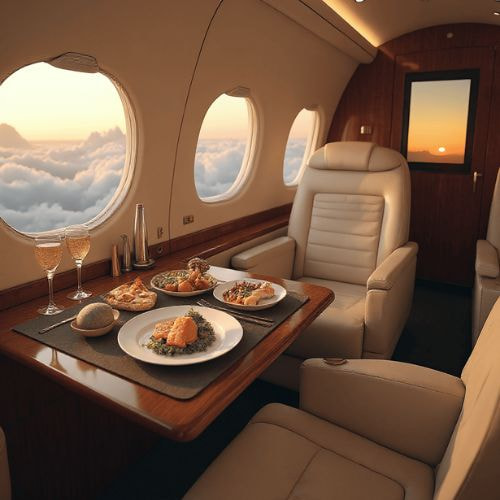
The Evolution of Private Jet Travel
Private aviation has its roots in the early twentieth century, with the advent of the first business aircraft. Nonetheless, it wasn’t until the 1960s that private jets started to achieve popularity among the wealthy elite. The introduction of the Learjet 23 in 1963 marked a big turning point, making private jet travel more accessible to affluent individuals and businesses.
Because the years progressed, manufacturers like Gulfstream, Bombardier, and Dassault started producing a range of jets catering to totally different wants, from small government jets to massive intercontinental fashions. The 1980s and nineties saw a surge in demand for private flights, pushed by the expansion of the worldwide economy and a rise in high-web-value individuals.
Economic Implications
The private jet industry has grown into a multi-billion dollar market, contributing significantly to the global economic system. In accordance with the Nationwide Enterprise Aviation Affiliation (NBAA), the business aviation trade helps over 1.2 million jobs within the United States alone, generating nearly $150 billion in economic output.
Private jet flights have become a necessary device for companies, permitting executives to journey effectively and successfully. The flexibility to achieve multiple destinations in a single day, avoid lengthy safety lines, and customise travel schedules has made private aviation a lovely choice for company leaders. Moreover, private jets are sometimes outfitted with state-of-the-artwork know-how, enabling in-flight meetings that can considerably enhance productivity.
The price of Private Jet Travel
The price of chartering a private jet can range dramatically depending on several factors, including the type of aircraft, distance traveled, and duration of the flight. On average, chartering a small jet can cost anyplace from $2,000 to $8,000 per hour, while larger jets can vary from $10,000 to $20,000 per hour or more.
For frequent travelers, fractional ownership and jet card applications have emerged as viable options to full ownership. These options enable people and businesses to purchase a share of a jet or pre-buy flight hours, offering entry to private aviation with out the complete monetary commitment of owning an aircraft.
Environmental Concerns
As private jet flights have turn out to be more fashionable, issues regarding their environmental affect have also elevated. According to a report by the Worldwide Council on Clean Transportation (ICCT), private jets are accountable for a disproportionately excessive stage of carbon emissions compared to commercial flights. The common private jet emits roughly 14 occasions extra CO2 per passenger than a industrial airliner.
In response to these concerns, the private aviation industry has begun to adopt more sustainable practices. Many companies are investing in newer, more gas-environment friendly aircraft, while others are exploring the use of sustainable aviation fuels (SAFs) to reduce their carbon footprint. Moreover, some operators are implementing carbon offset applications, allowing passengers to contribute to environmental tasks that counterbalance their flight emissions.
The future of Private Jet Travel
The future of private jet travel appears to be like promising, with several tendencies shaping the trade’s trajectory. One of many most vital developments is the rise of on-demand charter services, facilitated by expertise and mobile functions. Companies like Blade, JetSmarter, and Wheels Up have disrupted the traditional model by offering customers the ability to book flights by way of smartphone apps, providing higher flexibility and convenience.
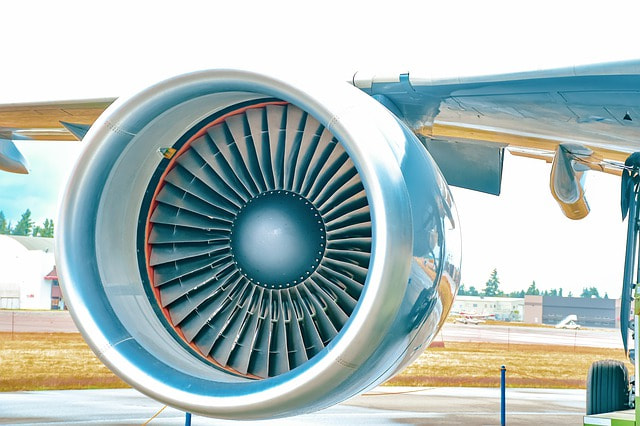
Additionally, the COVID-19 pandemic has accelerated the shift towards private aviation. As travelers seek to avoid crowded airports and reduce exposure to potential health dangers, many have turned to private jets as a safer alternative. This pattern is anticipated to proceed, with extra individuals considering private flights for both leisure and business travel.
Improvements in aircraft design and technology are also set to transform the industry. Electric and hybrid-electric aircraft are being developed, promising to scale back emissions and operating costs. Firms like Joby Aviation and Archer are on the forefront of this motion, aiming to revolutionize city air mobility with electric vertical takeoff and touchdown (eVTOL) aircraft.
Conclusion
Private jet flights have remodeled the air journey panorama, providing unparalleled comfort, luxurious, and effectivity to those that can afford it. Whereas the trade faces challenges associated to environmental impact, ongoing improvements and a rising focus on sustainability are paving the best way for a more accountable future. As expertise continues to advance and the demand for private aviation stays strong, the sector is poised for continued development, catering to the evolving wants of the elite traveler. In the end, private jet travel represents not just a mode of transportation, but a way of life selection that reflects the aspirations and ambitions of its users.
No listing found.